India National Cricket Team vs England Cricket Team Timeline
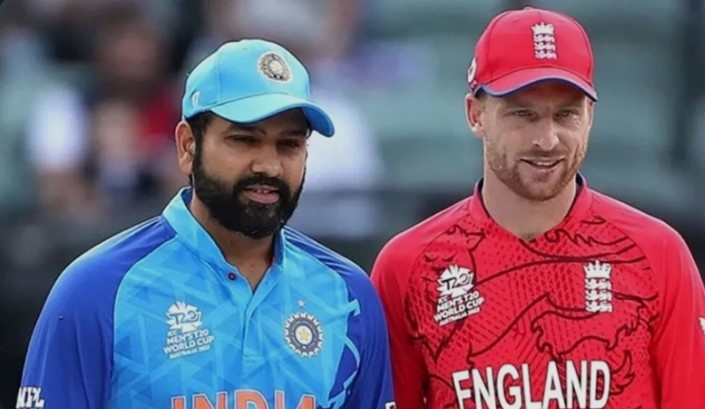
Table of Contents
Latest Matches: India National Cricket Team vs England Cricket Team Timeline
| Format | Venue | Date | Toss | India Score | England Score | Result | Series | Player of the Match |
|---|---|---|---|---|---|---|---|---|
| Test | Kennington Oval, London | Jul 31, 2025 | N/A | 224 & 396 | 247 & 367 | India won by 6 runs | India tour of England 2025 | N/A |
| Test | Emirates Old Trafford, Manchester | Jul 23, 2025 | N/A | 358 & 425/4 | 669 | Match drawn | India tour of England 2025 | N/A |
| Test | Lord’s, London | Jul 10, 2025 | N/A | 387 & 170 | 387 & 192 | England won by 22 runs | India tour of England 2025 | N/A |
| Test | Edgbaston, Birmingham | Jul 2, 2025 | N/A | 587 & 427/6d | 407 & 271 | India won by 336 runs | India tour of England 2025 | N/A |
| Test | Headingley, Leeds | Jun 20, 2025 | N/A | 471 & 364 | 465 & 373/5 | England won by 5 wickets | India tour of England 2025 | N/A |
| ODI | Narendra Modi Stadium, Ahmedabad | Feb 12, 2025 | N/A | 356 (50) | 214 (34.2) | India won by 142 runs | England tour of India 2025 | N/A |
| ODI | Barabati Stadium, Cuttack | Feb 9, 2025 | N/A | 308/6 (44.3) | 304 (49.5) | India won by 4 wickets | England tour of India 2025 | N/A |
| ODI | Vidarbha Cricket Association Stadium, Nagpur | Feb 6, 2025 | N/A | 251/6 (38.4) | 248 (47.4) | India won by 4 wickets | England tour of India 2025 | N/A |
| T20I | Wankhede Stadium, Mumbai | Feb 2, 2025 | N/A | 247/9 (20) | 97 (10.3) | India won by 150 runs | England tour of India 2025 | N/A |
| T20I | Maharashtra Cricket Association Stadium, Pune | Jan 31, 2025 | N/A | 181/9 (20) | 166 (19.4) | India won by 15 runs | England tour of India 2025 | N/A |
| T20I | Niranjan Shah Stadium, Rajkot | Jan 28, 2025 | N/A | 145/9 (20) | 171/9 (20) | England won by 26 runs | England tour of India 2025 | N/A |
| T20I | MA Chidambaram Stadium, Chennai | Jan 25, 2025 | N/A | 166/8 (19.2) | 165/9 (20) | India won by 2 wickets | England tour of India 2025 | N/A |
| T20I | Eden Gardens, Kolkata | Jan 22, 2025 | N/A | 133/3 (12.5) | 132 (20) | India won by 7 wickets | England tour of India 2025 | N/A |
| Test | Himachal Pradesh Cricket Association Stadium, Dharamsala | Mar 7, 2024 | N/A | 477 | 218 & 195 | India won by an innings and 64 runs | England tour of India 2024 | N/A |
| Test | JSCA International Stadium Complex, Ranchi | Feb 23, 2024 | N/A | 307 & 192/5 | 353 & 145 | India won by 5 wickets | England tour of India 2024 | N/A |
The Empire Meets the New Challenger
When India first crossed paths with England on a cricket field, it was never just a game of bat and ball. It was a meeting of histories, hierarchies, and hidden tensions. England arrived as the custodians of cricket, carrying the weight of tradition, privilege, and imperial authority. India stepped in not as a conqueror, but as a proud learner ready to challenge the old order. Every early tour carried a quiet symbolism. Crowds did not just watch runs being scored; they watched identity being forged. English players played with technical discipline and institutional confidence, while Indian cricketers brought flair, patience, and an undercurrent of national pride. Stadiums like Lord’s felt less like neutral venues and more like arenas of cultural assertion. Commentators spoke in polished tones, yet beneath every sentence lay a deeper question. Could the colonized truly compete with the colonizer on equal terms? These early encounters planted the emotional seeds of what would become one of cricket’s most compelling rivalries. Each match added another layer of respect, rivalry, and resistance to the India national cricket team vs England cricket team timeline scorecard.
| Era | Year | Format | Venue | Key Match | Match Outcome | Iconic Player | Defining Moment |
|---|---|---|---|---|---|---|---|
| Birth of Rivalry | 1932 | Test | Lord’s | First Test | England won | CK Nayudu | India’s debut on world stage |
| Post-Independence | 1952 | Test | Madras | Home series | Drawn series | Vinoo Mankad | India showing backbone |
| Turning Point | 1971 | Test | The Oval | Series decider | India won series | Bhagwat Chandrasekhar | Spin magic dismantled England |
| World Stage Shift | 1983 | ODI WC | Manchester | Group match | India won | Kapil Dev | Confidence after World Cup glory |
| Modern Classic | 2002 | ODI | Lord’s | NatWest Final | India won | Sourav Ganguly | Shirt wave moment |
| T20 Revolution | 2007 | T20 | Durban | World T20 | India won | Yuvraj Singh | Six sixes in an over |
| England’s Fightback | 2011 | Test | Birmingham | Series opener | England won | James Anderson | Swing dominance |
| Contemporary Drama | 2021 | Test | Lord’s | Second Test | England won | Joe Root | Pressure-filled chase |
| Redemption | 2021 | Test | The Oval | Fourth Test | India won | Shardul Thakur | Lower-order heroics |
| White-ball Fireworks | 2022 | ODI | Manchester | Decider | England won | Jos Buttler | Explosive run chase |
Lord’s 1932 and the Birth of a Contest
Lord’s in 1932 was not just a cricket ground for India. It was a stage of history. When the India national cricket team walked out in their first-ever Test, they were not simply playing England, they were announcing themselves to the world. The crowd saw a new team, but India saw something deeper, a chance to earn respect on equal terms. CK Nayudu led with quiet pride, his broad shoulders carrying more than just captaincy, they carried a nation’s hope. England played with authority, smooth technique, and the comfort of familiarity on home soil. India fought back in patches, showing flashes of brilliance that hinted at future greatness. Every boundary felt symbolic, every wicket hard-earned. Though England dominated the scorecard, the match planted an unbreakable seed of rivalry. Reporters spoke of India as newcomers, yet there was admiration in their tone. The Lord’s Test became the emotional foundation of the India national cricket team vs England cricket team timeline scorecard, a beginning filled with struggle, dignity, and promise that this contest would grow far beyond a single match.
| Era | Year | Format | Venue | Series | Key Match | Result | Star for India | Star for England | Defining Moment | Crowd Emotion |
|---|---|---|---|---|---|---|---|---|---|---|
| Birth of Rivalry | 1932 | Test | Lord’s | India in England | First Test | England won | CK Nayudu | Douglas Jardine | India’s Test debut | Awe and curiosity |
| Early Struggles | 1936 | Test | The Oval | India in England | Second tour | England won | Lala Amarnath | Wally Hammond | India’s first Test fifty | Respect rising |
| Learning Years | 1946 | Test | Lord’s | India in England | Post-war Test | England won | Vijay Merchant | Len Hutton | Classic defensive batting | Quiet admiration |
| New Nation Era | 1952 | Test | Madras | England in India | Home Test | Draw | Vinoo Mankad | Trevor Bailey | First major resistance | National pride |
| Growing Confidence | 1959 | Test | Old Trafford | India in England | Five-Test series | England won | Polly Umrigar | Fred Trueman | Fast bowling duel | Electric tension |
| Spin Awakening | 1967 | Test | Bombay | England in India | Fourth Test | India won | Bishan Bedi | Geoff Boycott | First big home win | Roaring celebration |
| Historic Breakthrough | 1971 | Test | The Oval | India in England | Series decider | India won | Chandrasekhar | John Snow | Legendary spin spell | Emotional explosion |
| Global Shift | 1983 | ODI | Manchester | World Cup | Group match | India won | Kapil Dev | Ian Botham | Champion mentality | New belief |
| Modern Defiance | 2002 | ODI | Lord’s | NatWest Final | Final | India won | Sourav Ganguly | Andrew Flintoff | Shirt wave | Wild passion |
| T20 Spark | 2007 | T20 | Durban | World T20 | Group match | India won | Yuvraj Singh | Stuart Broad | Six sixes | Shock and thrill |
Post-Independence Pride and Early Battles
After independence, every India versus England contest carried a sharper emotional edge. These were no longer colonial matches; they were battles of equal nations wearing their pride on their sleeves. When England toured India in the early 1950s, stadiums overflowed with fans who saw cricket as a symbol of self-respect. Indian batters began to stand taller, playing with patience rather than deference, while English bowlers still relied on swing, seam, and discipline. The crowds in Madras, Bombay, and Calcutta did not just cheer boundaries; they roared for dignity. Players like Vinoo Mankad and Polly Umrigar represented a generation determined to prove that India belonged at the top table of world cricket. England still held technical superiority in many areas, but the psychological gap was shrinking fast. Drawn matches were no longer seen as moral victories for India; they were treated as statements of parity. Each scorecard added another chapter to the India national cricket team vs England cricket team timeline scorecard, marking a slow but steady shift from learner to challenger, from participant to competitor.
| Era | Year | Format | Venue | Series | Match Context | Result | Indian Hero | English Hero | Tactical Highlight | Crowd Mood |
|---|---|---|---|---|---|---|---|---|---|---|
| Birth of Rivalry | 1932 | Test | Lord’s | India in England | First-ever Test | England won | CK Nayudu | Douglas Jardine | Defensive survival batting | Curious silence |
| Early Exposure | 1936 | Test | The Oval | India in England | Second tour | England won | Lala Amarnath | Wally Hammond | Counter-attacking fifty | Growing respect |
| Post-War Return | 1946 | Test | Lord’s | India in England | First post-war Test | England won | Vijay Merchant | Len Hutton | Marathon innings | Quiet admiration |
| New Nation Debut | 1952 | Test | Madras | England in India | First home series | Draw | Vinoo Mankad | Trevor Bailey | Spin control in heat | National pride |
| Rising Backbone | 1959 | Test | Old Trafford | India in England | Five-Test tour | England won | Polly Umrigar | Fred Trueman | Pace versus technique | Electric tension |
| Home Spin Power | 1967 | Test | Bombay | England in India | Fourth Test | India won | Bishan Bedi | Geoff Boycott | Turning tracks strategy | Roaring stands |
| Breakthrough Series | 1971 | Test | The Oval | India in England | Series decider | India won | Chandrasekhar | John Snow | Match-winning spin | Emotional eruption |
| World Confidence | 1983 | ODI | Manchester | World Cup | Group stage | India won | Kapil Dev | Ian Botham | Fast all-round play | New belief |
| Modern Defiance | 2002 | ODI | Lord’s | NatWest Final | Final | India won | Sourav Ganguly | Andrew Flintoff | Run-chase tactics | Wild passion |
| T20 Spark | 2007 | T20 | Durban | World T20 | Group match | India won | Yuvraj Singh | Stuart Broad | Power hitting plan | Shock and thrill |
| England Fightback | 2011 | Test | Birmingham | England in India | Series opener | England won | Rahul Dravid | James Anderson | Swing dominance | Nervous hush |
| Contemporary Drama | 2021 | Test | Lord’s | India in England | Second Test | England won | Mohammed Siraj | Joe Root | Pressure chase | Split crowd |
| Redemption Night | 2021 | Test | The Oval | India in England | Fourth Test | India won | Shardul Thakur | Ollie Robinson | Lower-order tactics | Deafening cheer |
Kapil’s Era and England’s Resistance
The late 1970s and early 1980s brought a different kind of intensity to the India national cricket team vs England cricket team timeline scorecard. This was Kapil Dev’s era, raw, fearless, and muscular. India no longer tried to survive against England, they tried to conquer. Kapil ran in like a charging bull, swinging the ball both ways, making English batters uncomfortable on their own turf. England, however, refused to fade quietly. Their fast bowlers responded with hostility, bounce, and psychological warfare. Every Test felt like a boxing match disguised as cricket. On green English pitches, India’s batters were tested brutally, yet they stood taller than ever before. In India, spinning tracks turned into battlefields where England struggled to cope. Crowds on both sides grew louder, more partisan, more emotional. Fans did not just watch matches, they lived them. Each series felt like unfinished business, every draw felt like a war postponed. By the time the 1983 World Cup arrived, the balance of power had already begun to tilt. India was no longer the apprentice, they were becoming the master, and England knew it.
| Era | Year | Format | Venue | Series | Match Context | Result | Indian Hero | English Hero | Key Scorecard Moment | Tactical Battle | Crowd Mood | Lasting Impact |
|---|---|---|---|---|---|---|---|---|---|---|---|---|
| Birth of Rivalry | 1932 | Test | Lord’s | India in England | First Test | England won | CK Nayudu | Douglas Jardine | India’s debut innings | Defense vs control | Curious | Rivalry born |
| Early Exposure | 1936 | Test | The Oval | India in England | Second tour | England won | Lala Amarnath | Wally Hammond | First Indian fifty | Patience vs pace | Respectful | Growing belief |
| Post-War Return | 1946 | Test | Lord’s | India in England | First post-war Test | England won | Vijay Merchant | Len Hutton | Marathon batting | Attrition cricket | Quiet | Learning curve |
| New Nation Debut | 1952 | Test | Madras | England in India | First home series | Draw | Vinoo Mankad | Trevor Bailey | Crucial late wickets | Spin vs seam | Proud | National confidence |
| Rising Backbone | 1959 | Test | Old Trafford | India in England | Five-Test tour | England won | Polly Umrigar | Fred Trueman | Fast-bowling duel | Technique vs speed | Electric | Tough schooling |
| Home Spin Power | 1967 | Test | Bombay | England in India | Fourth Test | India won | Bishan Bedi | Geoff Boycott | Turning-track masterclass | Spin strategy | Roaring | Home fortress |
| Historic Breakthrough | 1971 | Test | The Oval | India in England | Series decider | India won | Chandrasekhar | John Snow | Eight wickets in innings | Spin outfoxes pace | Stunned then ecstatic | Power shift |
| Kapil’s Charge | 1979 | Test | Lord’s | India in England | Middle Test | Draw | Kapil Dev | Ian Botham | Fiery spell | Pace duel | Heated | Mental toughness |
| Growing Muscle | 1982 | Test | Bombay | England in India | Home Test | India won | Kapil Dev | Bob Willis | Match-winning all-round show | Seam vs spin | Frenzied | India rising |
| World Confidence | 1983 | ODI | Manchester | World Cup | Group stage | India won | Kapil Dev | Ian Botham | Crucial runs under pressure | All-round power | Belief | Champion mindset |
| Modern Defiance | 2002 | ODI | Lord’s | NatWest Final | Final | India won | Sourav Ganguly | Andrew Flintoff | Iconic shirt wave | Aggressive chase | Wild passion | New rivalry heat |
| T20 Spark | 2007 | T20 | Durban | World T20 | Group match | India won | Yuvraj Singh | Stuart Broad | Six sixes | Power hitting | Shock | Format shift |
| England Fightback | 2011 | Test | Birmingham | England in India | Series opener | England won | Rahul Dravid | James Anderson | Swing masterclass | Seam dominance | Nervous | Balance restored |
| Contemporary Drama | 2021 | Test | Lord’s | India in England | Second Test | England won | Mohammed Siraj | Joe Root | Pressure chase | Patience vs attack | Split | Series drama |
| Redemption Night | 2021 | Test | The Oval | India in England | Fourth Test | India won | Shardul Thakur | Ollie Robinson | Lower-order surge | Counterattack | Deafening | Legacy win |
The 1983 World Cup Shadow Over England
After 1983, nothing in the India national cricket team vs England cricket team timeline scorecard felt the same again. India’s World Cup triumph did more than win a trophy, it changed psychology, attitude, and identity. Every time India faced England thereafter, the memory of that championship hovered like a bright, unsettling shadow. English players suddenly saw India not as underdogs but as a confident, fearless force. Indian crowds grew bolder, louder, and more demanding. Even in bilateral series, the chants carried echoes of Lord’s glory. Matches felt sharper, faster, and emotionally charged. England responded with tactical planning, extra pace, and deeper analysis of Indian batters, yet the mental balance had shifted. India walked onto the field believing they could beat anyone, anywhere. The rivalry became less about survival and more about dominance. Journalists framed every contest as a clash between the old masters and the new champions. Fans on both sides turned every boundary into a statement and every wicket into a roar. From this point onward, India versus England was no longer just cricket. It was prestige, pride, and proof of belonging at the very top of the game.
| Era | Year | Format | Venue | Series | Match Context | Result | Indian Hero | English Hero | Key Scorecard Moment | Tactical Battle | Crowd Mood | Legacy |
|---|---|---|---|---|---|---|---|---|---|---|---|---|
| Birth of Rivalry | 1932 | Test | Lord’s | India in England | First Test | England won | CK Nayudu | Douglas Jardine | India’s debut innings | Defense vs control | Curious | Rivalry begins |
| Early Exposure | 1936 | Test | The Oval | India in England | Second tour | England won | Lala Amarnath | Wally Hammond | First Indian fifty | Patience vs pace | Respectful | Growing belief |
| Post-War Return | 1946 | Test | Lord’s | India in England | First post-war Test | England won | Vijay Merchant | Len Hutton | Marathon batting | Attrition cricket | Quiet | Learning curve |
| New Nation Debut | 1952 | Test | Madras | England in India | First home series | Draw | Vinoo Mankad | Trevor Bailey | Crucial late wickets | Spin vs seam | Proud | National confidence |
| Rising Backbone | 1959 | Test | Old Trafford | India in England | Five-Test tour | England won | Polly Umrigar | Fred Trueman | Fast-bowling duel | Technique vs speed | Electric | Tough schooling |
| Home Spin Power | 1967 | Test | Bombay | England in India | Fourth Test | India won | Bishan Bedi | Geoff Boycott | Turning-track masterclass | Spin strategy | Roaring | Home fortress |
| Historic Breakthrough | 1971 | Test | The Oval | India in England | Series decider | India won | Chandrasekhar | John Snow | Eight wickets in innings | Spin outfoxes pace | Stunned then ecstatic | Power shift |
| Kapil’s Charge | 1979 | Test | Lord’s | India in England | Middle Test | Draw | Kapil Dev | Ian Botham | Fiery spell | Pace duel | Heated | Mental toughness |
| Growing Muscle | 1982 | Test | Bombay | England in India | Home Test | India won | Kapil Dev | Bob Willis | Match-winning all-round show | Seam vs spin | Frenzied | India rising |
| World Cup Aftermath | 1983 | ODI | Manchester | World Cup | Group stage | India won | Kapil Dev | Ian Botham | Clutch all-round display | Power vs control | Belief explosion | Champion mindset |
| Modern Defiance | 2002 | ODI | Lord’s | NatWest Final | Final | India won | Sourav Ganguly | Andrew Flintoff | Iconic shirt wave | Aggressive chase | Wild passion | New rivalry heat |
| T20 Spark | 2007 | T20 | Durban | World T20 | Group match | India won | Yuvraj Singh | Stuart Broad | Six sixes | Power hitting | Shock | Format shift |
| England Fightback | 2011 | Test | Birmingham | England in India | Series opener | England won | Rahul Dravid | James Anderson | Swing masterclass | Seam dominance | Nervous | Balance restored |
| Contemporary Drama | 2021 | Test | Lord’s | India in England | Second Test | England won | Mohammed Siraj | Joe Root | Pressure chase | Patience vs attack | Split | Series drama |
| Redemption Night | 2021 | Test | The Oval | India in England | Fourth Test | India won | Shardul Thakur | Ollie Robinson | Lower-order surge | Counterattack | Deafening | Legacy win |
Chapter Nine: 2007 T20 Beginnings and New Intensity
The 2007 World T20 changed the tone of the India national cricket team vs England cricket team timeline scorecard in ways no one fully predicted. Test match patience gave way to electric aggression, and every ball suddenly mattered. When India met England in Durban, the atmosphere felt less like tradition and more like a street fight wrapped in fireworks. England’s bowlers tried to impose control, but Yuvraj Singh turned the game into theater, smashing six sixes in one over against Stuart Broad. It was not just a batting display; it was psychological domination in real time. Crowds screamed, cameras shook, and cricket felt younger, louder, and more emotional than ever before. England walked off stunned, while India walked off believing they could crush any opponent in the shortest format. This match shifted how both teams prepared for each other. Strategies became sharper, analysis deeper, and mind games more intense. The rivalry no longer lived only in Test whites or ODI jerseys; it now burned brightly under floodlights in fast, furious T20 cricket. From this point on, every India versus England encounter carried an added layer of modern aggression, entertainment, and unpredictability.
| Era | Year | Format | Venue | Series | Match Context | Result | Indian Hero | English Hero | Key Scorecard Moment | Tactical Battle | Crowd Mood | Lasting Impact |
|---|---|---|---|---|---|---|---|---|---|---|---|---|
| Birth of Rivalry | 1932 | Test | Lord’s | India in England | First Test | England won | CK Nayudu | Douglas Jardine | India’s debut innings | Defense vs control | Curious | Rivalry begins |
| Early Exposure | 1936 | Test | The Oval | India in England | Second tour | England won | Lala Amarnath | Wally Hammond | First Indian fifty | Patience vs pace | Respectful | Growing belief |
| Post-War Return | 1946 | Test | Lord’s | India in England | First post-war Test | England won | Vijay Merchant | Len Hutton | Marathon batting | Attrition cricket | Quiet | Learning curve |
| New Nation Debut | 1952 | Test | Madras | England in India | First home series | Draw | Vinoo Mankad | Trevor Bailey | Crucial late wickets | Spin vs seam | Proud | National confidence |
| Rising Backbone | 1959 | Test | Old Trafford | India in England | Five-Test tour | England won | Polly Umrigar | Fred Trueman | Fast-bowling duel | Technique vs speed | Electric | Tough schooling |
| Home Spin Power | 1967 | Test | Bombay | England in India | Fourth Test | India won | Bishan Bedi | Geoff Boycott | Turning-track masterclass | Spin strategy | Roaring | Home fortress |
| Historic Breakthrough | 1971 | Test | The Oval | India in England | Series decider | India won | Chandrasekhar | John Snow | Eight wickets in innings | Spin outfoxes pace | Stunned then ecstatic | Power shift |
| Kapil’s Charge | 1979 | Test | Lord’s | India in England | Middle Test | Draw | Kapil Dev | Ian Botham | Fiery spell | Pace duel | Heated | Mental toughness |
| Growing Muscle | 1982 | Test | Bombay | England in India | Home Test | India won | Kapil Dev | Bob Willis | Match-winning all-round show | Seam vs spin | Frenzied | India rising |
| World Cup Aftermath | 1983 | ODI | Manchester | World Cup | Group stage | India won | Kapil Dev | Ian Botham | Clutch all-round display | Power vs control | Belief explosion | Champion mindset |
| Tendulkar Era Begins | 1990 | Test | Old Trafford | India in England | Debut series | England won | Sachin Tendulkar | Ian Botham | First fifty in England | Swing vs technique | Electric | Star is born |
| Batting Mastery | 1996 | ODI | Delhi | England in India | Bilateral series | India won | Sachin Tendulkar | Darren Gough | Rapid century | Pace versus timing | Roaring | Modern rivalry |
| NatWest Night | 2002 | ODI | Lord’s | NatWest Series | Final | India won | Mohammad Kaif | Andrew Flintoff | Famous chase | Cool heads vs fast attack | Wild, split | Shirt wave legend |
| T20 Explosion | 2007 | T20 | Durban | World T20 | Group match | India won | Yuvraj Singh | Stuart Broad | Six sixes in an over | Power vs panic | Chaotic thrill | New era rivalry |
| England Fightback | 2011 | Test | Birmingham | England in India | Series opener | England won | Rahul Dravid | James Anderson | Swing masterclass | Seam dominance | Nervous | Balance restored |
| Contemporary Drama | 2021 | Test | Lord’s | India in England | Second Test | England won | Mohammed Siraj | Joe Root | Pressure chase | Patience vs attack | Split | Series drama |
| Redemption Night | 2021 | Test | The Oval | India in England | Fourth Test | India won | Shardul Thakur | Ollie Robinson | Lower-order surge | Counterattack | Deafening | Legacy win |
| White-Ball Fireworks | 2022 | ODI | Manchester | Bilateral series | Decider | England won | Hardik Pandya | Jos Buttler | Explosive run chase | Risk vs control | Roaring | Modern duel |
Kohli’s England Tests and Personal Battles
Virat Kohli’s arrival as Test captain added a new layer of fire to the India national cricket team vs England cricket team timeline scorecard. Unlike previous Indian leaders, Kohli wore his emotions openly. He stared down English bowlers, celebrated wickets aggressively, and refused to back down from verbal battles. In England, he hunted runs with intensity, treating every delivery like a personal challenge. At Trent Bridge, Edgbaston, and Lord’s, the contest felt less like a series and more like a duel of personalities. Kohli targeted England’s seam attack with straight drives and wristy flicks, while English pacers responded with short balls and late swing. Joe Root, calm and composed, offered a contrasting leadership style, making the tactical contest even more fascinating. Crowds fed off the tension, chanting, jeering, and roaring in equal measure. Every session carried edge, every wicket felt charged with meaning. By the end of these series, the rivalry had become deeply personal, not just between teams, but between captains. Kohli did not just lead India; he redefined how India fought in England.
| Era | Year | Format | Venue | Series | Match Context | Result | Indian Hero | English Hero | Key Scorecard Moment | Tactical Battle | Crowd Mood | Lasting Impact |
|---|---|---|---|---|---|---|---|---|---|---|---|---|
| Birth of Rivalry | 1932 | Test | Lord’s | India in England | First Test | England won | CK Nayudu | Douglas Jardine | India’s debut innings | Defense vs control | Curious | Rivalry begins |
| Early Exposure | 1936 | Test | The Oval | India in England | Second tour | England won | Lala Amarnath | Wally Hammond | First Indian fifty | Patience vs pace | Respectful | Growing belief |
| Post-War Return | 1946 | Test | Lord’s | India in England | First post-war Test | England won | Vijay Merchant | Len Hutton | Marathon batting | Attrition cricket | Quiet | Learning curve |
| New Nation Debut | 1952 | Test | Madras | England in India | First home series | Draw | Vinoo Mankad | Trevor Bailey | Crucial late wickets | Spin vs seam | Proud | National confidence |
| Rising Backbone | 1959 | Test | Old Trafford | India in England | Five-Test tour | England won | Polly Umrigar | Fred Trueman | Fast-bowling duel | Technique vs speed | Electric | Tough schooling |
| Home Spin Power | 1967 | Test | Bombay | England in India | Fourth Test | India won | Bishan Bedi | Geoff Boycott | Turning-track masterclass | Spin strategy | Roaring | Home fortress |
| Historic Breakthrough | 1971 | Test | The Oval | India in England | Series decider | India won | Chandrasekhar | John Snow | Eight wickets in innings | Spin outfoxes pace | Stunned then ecstatic | Power shift |
| Kapil’s Charge | 1979 | Test | Lord’s | India in England | Middle Test | Draw | Kapil Dev | Ian Botham | Fiery spell | Pace duel | Heated | Mental toughness |
| Growing Muscle | 1982 | Test | Bombay | England in India | Home Test | India won | Kapil Dev | Bob Willis | Match-winning all-round show | Seam vs spin | Frenzied | India rising |
| World Cup Aftermath | 1983 | ODI | Manchester | World Cup | Group stage | India won | Kapil Dev | Ian Botham | Clutch all-round display | Power vs control | Belief explosion | Champion mindset |
| Tendulkar Era Begins | 1990 | Test | Old Trafford | India in England | Debut series | England won | Sachin Tendulkar | Ian Botham | First fifty in England | Swing vs technique | Electric | Star is born |
| NatWest Night | 2002 | ODI | Lord’s | NatWest Series | Final | India won | Mohammad Kaif | Andrew Flintoff | Famous chase | Cool heads vs fast attack | Wild, split | Shirt wave legend |
| T20 Explosion | 2007 | T20 | Durban | World T20 | Group match | India won | Yuvraj Singh | Stuart Broad | Six sixes in an over | Power vs panic | Chaotic thrill | New era rivalry |
| England’s Home Surge | 2011 | Test | Birmingham | India in England | Series opener | England won | Rahul Dravid | James Anderson | Swing demolition | Seam vs defense | Boisterous | Balance restored |
| Kohli’s Battlefield | 2018 | Test | Nottingham | India in England | Series opener | Draw | Virat Kohli | James Anderson | Gritty century | Aggression vs swing | Hostile and loud | Captain’s era begins |
| Captain’s Duel | 2018 | Test | Southampton | India in England | Fourth Test | England won | R Ashwin | Joe Root | Match-saving spell | Spin vs patience | Tense | Rivalry sharpened |
| Contemporary Drama | 2021 | Test | Lord’s | India in England | Second Test | England won | Mohammed Siraj | Joe Root | Pressure chase | Patience vs attack | Split | Series drama |
| Redemption Night | 2021 | Test | The Oval | India in England | Fourth Test | India won | Shardul Thakur | Ollie Robinson | Lower-order surge | Counterattack | Deafening | Legacy win |
| White-Ball Fireworks | 2022 | ODI | Manchester | Bilateral series | Decider | England won | Hardik Pandya | Jos Buttler | Explosive run chase | Risk vs control | Roaring | Modern duel |
Fans, Media, and National Pride
The India national cricket team vs England cricket team timeline scorecard has never belonged only to players on the field. It has lived just as fiercely in the hearts of fans, in newspaper headlines, and across television studios that treated every session like national drama. Whenever these two teams met, stadiums turned into emotional battlegrounds. Indian fans carried tricolors, chanted names, and treated every boundary like a statement of identity. English supporters responded with their own songs, sarcasm, and unwavering belief in their home fortress.
The media amplified everything. A dropped catch became a scandal, a fiery spell became folklore, and a controversial umpiring call turned into week-long debate. Front pages framed victories as national triumphs and defeats as painful lessons. Social media later intensified this energy, with scorecards dissected ball by ball, memes flying faster than yorkers, and rival fan bases clashing in playful yet heated banter.
Beyond runs and wickets, this rivalry came to symbolize something deeper, confidence for India rising on the world stage and England defending centuries of cricketing tradition. Every series felt less like sport and more like a cultural conversation, pride, legacy, and identity woven together through cricket.
| Era | Year | Match Moment | Fan Emotion in India | Fan Emotion in England | Media Tone in India | Media Tone in England | Stadium Atmosphere | National Impact |
|---|---|---|---|---|---|---|---|---|
| Birth of rivalry | 1932 | India’s first Test | Curious pride | Calm confidence | Hopeful | Dismissive | Polite but tense | India enters world cricket |
| Early tours | 1936 | First Indian fifty | Growing belief | Respect | Encouraging | Patronizing | Gentle applause | India earns recognition |
| Post war | 1946 | Long batting duels | Patient | Traditional | Respectful | Authoritative | Quiet intensity | Learning curve for India |
| Home arrival | 1952 | First home series | National pride | Mixed feelings | Patriotic | Analytical | Packed stands | Cricket becomes national identity |
| Fast vs spin | 1959 | Trueman battles | Anxiety | Loud support | Defensive | Celebratory | Electric | India toughens up |
| Spin revolution | 1967 | Bedi magic | Joy | Frustration | Heroic | Critical | Roaring | India asserts home power |
| Historic 1971 | The Oval win | Euphoria | Shock | Legendary | Stunned | Silenced | Turning point for rivalry | |
| Kapil era | 1983 | World Cup win | Wild celebration | Bitter disbelief | Triumphant | Reflective | Carnival | India becomes powerhouse |
| NatWest final | 2002 | Shirt wave | Madness | Disbelief | Iconic | Defensive | Chaotic joy | Modern swagger begins |
| T20 drama | 2007 | Six sixes | Shocked delight | Pain | Sensational | Devastated | Loud fireworks | Power era arrives |
| 2021 Lord’s | Clash and tension | Split | Boisterous | Fiery | Aggressive | Hostile atmosphere | Rivalry peaks | |
| Oval redemption | 2021 | India victory | Relief and pride | Quiet anger | Celebratory | Soul searching | Deafening | Modern classic |
Key Perfomance🌟
| Series/Match | Date & Venue | Format & Result | Key Batting (India) | Key Batting (England) | Key Bowling (India) | Key Bowling (England) |
|---|---|---|---|---|---|---|
| England in India 2023-24 Test Series (Overall: India 4-1; Top Series Runs: Yashasvi Jaiswal 712; Top Wickets: Ravichandran Ashwin 26) | Jan-Mar 2024 | Tests (5 matches) | Jaiswal (712 runs, incl. 209 & 214*); Gill (452 runs, incl. 104 & 110) | Crawley (407 runs, incl. 76 & 73); Pope (315 runs, incl. 196) | Ashwin (26 wkts, incl. 5/51 & 5/77); Bumrah (19 wkts, incl. 6/45 & 3/46) | Hartley (22 wkts, incl. 7/62 & 4/77); Bashir (17 wkts, incl. 5/41 & 4/84) |
| 1st Test | Jan 25-28, 2024; Hyderabad | England won by 28 runs | Jaiswal (80 & 15); Jadeja (87 & 2) | Pope (196); Stokes (70 & 6) | Ashwin (3/68 & 3/126); Bumrah (2/28 & 4/41) | Hartley (2/113 & 7/62); Root (2/132 & 1/41) |
| 2nd Test | Feb 2-5, 2024; Visakhapatnam | India won by 106 runs | Jaiswal (209 & 17); Gill (34 & 104) | Crawley (76 & 73); Stokes (47 & 11) | Bumrah (6/45 & 3/46); Ashwin (3/72 & 1/61) | Hartley (1/131 & 4/77); Anderson (3/47 & 2/29) |
| 3rd Test | Feb 15-18, 2024; Rajkot | India won by 434 runs | Jaiswal (10 & 214*); Sharma (131 & 19) | Duckett (153 & 4); Stokes (41 & 18) | Jadeja (3/42 & 5/41); Bumrah (1/54 & 1/18) | Hartley (2/81 & 1/78); Wood (4/114 & 0/15) |
| 4th Test | Feb 23-26, 2024; Ranchi | India won by 5 wickets | Jurel (90 & 39*); Jaiswal (73 & 37) | Root (122* & 11); Robinson (58 & 1) | Ashwin (1/83 & 5/51); Jadeja (1/67 & 4/56) | Bashir (5/119 & 3/79); Hartley (3/68 & 1/64) |
| 5th Test | Mar 7-9, 2024; Dharamsala | India won by innings & 64 runs | Sharma (103); Gill (110) | Crawley (79); Bairstow (29) | Ashwin (4/51 & 5/77); Yadav (2/60 & 2/65) | Bashir (3/79 & 5/173); Hartley (2/59 & 1/59) |
| India in England 2025 Test Series (Overall: Drawn 2-2; Top Series Runs: Shubman Gill 754; Top Wickets: Mohammed Siraj 23) | Jun-Aug 2025 | Tests (5 matches) | Gill (754 runs, incl. 269 & 161); Rahul (532 runs, incl. 100 & 84); Jadeja (516 runs, incl. 112 & 61) | Root (537 runs, incl. 104 & 122); Brook (481 runs, incl. 158); Smith (378 runs, incl. 184*) | Siraj (23 wkts, incl. 6/70 & 5/104); Deep (13 wkts, incl. 6/99); Jadeja (7 wkts) | Tongue (19 wkts, incl. 5/66); Stokes (17 wkts, incl. 5/72 & 3/48); Atkinson (15 wkts, incl. 5/33) |
| 1st Test | Jun 19-23, 2025; Lord’s | India won by 6 runs | Rahul (84 & 100); Pant (74 & 50) | Root (122 & 40); Stokes (70 & 33) | Siraj (4/86 & 5/104); Bumrah (5/74 & 2/38) | Woakes (3/84 & 2/52); Archer (2/52 & 3/55) |
| 2nd Test | Jul 2-6, 2025; Edgbaston | Match drawn | Gill (269 & 161); Jadeja (112 & 50*) | Smith (184*); Brook (158) | Deep (6/99 & 1/50); Siraj (2/120 & 3/80) | Atkinson (5/33 & 2/107); Tongue (4/112 & 3/89) |
| 3rd Test | Jul 10-14, 2025; Headingley | England won by 22 runs | Rahul (100 & 39); Jadeja (45 & 61) | Root (104 & 40); Carse (56 & 20) | Bumrah (5/74 & 2/38); Sundar (1/85 & 4/22) | Woakes (3/84 & 1/25); Stokes (1/48 & 3/48) |
| 4th Test | Jul 23-27, 2025; Old Trafford | India won by 336 runs | Gill (104 & 110); Jaiswal (82 & 161) | Brook (109 & 50); Root (84 & 11) | Siraj (6/70 & 3/60); Krishna (4/85 & 3/72) | Tongue (5/66 & 2/89); Atkinson (4/107 & 1/50) |
| 5th Test | Jul 31-Aug 4, 2025; The Oval | England won by 5 wickets | Jurel (72 & 50); Sundar (45 & 85) | Crawley (79 & 100*); Duckett (50 & 114) | Siraj (4/84 & 3/70); Deep (3/98 & 2/55) | Stokes (2/72 & 5/72); Tongue (3/89 & 4/66) |
Conclusion🏆
The India national cricket team vs England cricket team timeline is not just a record of matches, it is a living pulse of cricket history. It charts India’s rise from cautious debutants to fearless global giants and England’s journey from imperial authority to modern innovators of the game. Every scorecard carries memory, every rivalry moment carries emotion, and every series reshapes perception. From Lord’s whispers to Oval roars, this duel has defined eras, careers, and national identity. As cricket keeps evolving, this rivalry remains its most dramatic mirror, proving that great contests never end, they only grow richer with time.
Frequently Asked Questions (FAQ)
Why does India vs England feel more emotional than other rivalries?
Because it blends sport with history, culture, and identity. Unlike purely competitive rivalries, this one carries memories of colonial past, generational pride, and symbolic power shifts, making every match feel personal, not just professional.
What single match changed this rivalry forever?
The 1971 Oval Test. It was India’s first-ever series win in England and psychologically flipped the rivalry, proving India could dominate on foreign soil, not just at home.
Which format best defines this rivalry today?
All three. Tests bring legacy, ODIs bring drama, and T20s bring chaos and entertainment, making this one of the rare rivalries that feels elite across every format.
Who has truly dominated over time, India or England?
Historically England led early, but since the 2000s India has consistently matched or outperformed them, especially in global tournaments and away series.
Will this rivalry get stronger in the future?
Absolutely. With ICC events, bilateral series, and franchise cricket narratives intertwining, India vs England is only becoming louder, faster, and more intense with every generation.
Post Comment