Sri Lanka National Cricket Team vs Pakistan National Cricket Team Timeline
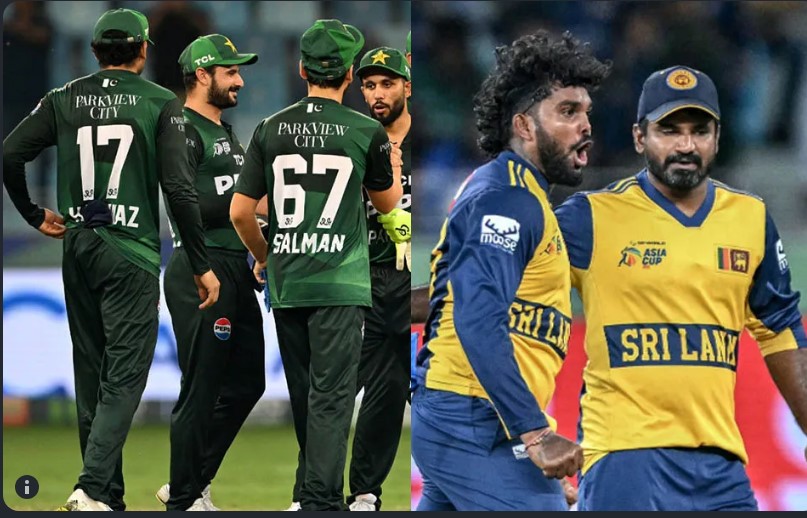
Table of Contents
The Sri Lanka national cricket team versus Pakistan national cricket team timeline is one of Asia’s most intense, emotional, and unpredictable cricket rivalries. From their very first meeting to the dramatic clashes of 2025, this rivalry has been shaped by fiery pace, magical spin, tactical brilliance, and raw passion. Every match carried national pride, every boundary sparked celebration, and every wicket triggered controversy. Crowds turned stadiums into roaring battlefields while players transformed pressure into greatness. Over decades, this rivalry evolved through Tests, ODIs, and T20s, producing legendary performances, heated moments, and unforgettable scorecards. More than results, it became a story of power, resilience, and rivalry that defined generations of Asian cricket.
Latest Matches: Sri Lanka National Cricket Team vs Pakistan National Cricket Team Timeline
| Tournament | Venue | Date | Toss | SL Score | Pak Score | Result | Series | Player of the Match |
|---|---|---|---|---|---|---|---|---|
| Bilateral T20I | Dambulla | Jan 11, 2026 | SL won, elected to bat | 160/6 (12) | 146/8 (12) | Sri Lanka won by 14 runs (reduced match) | Pakistan tour of Sri Lanka 2026 | Wanindu Hasaranga (SL) |
| Bilateral T20I | Dambulla | Jan 7, 2026 | Pak won, elected to field | 128 (19.2) | 129/4 (16.4) | Pakistan won by 6 wickets | Pakistan tour of Sri Lanka 2026 | Shaheen Afridi (PAK) |
| T20I Tri-Series Final | Rawalpindi | Nov 29, 2025 | Pak won, elected to field | 114 (19.1) | 118/4 (18.4) | Pakistan won by 6 wickets | Pakistan T20I Tri-Series 2025 | Mohammad Nawaz (PAK) |
| T20I Tri-Series | Rawalpindi | Nov 27, 2025 | Pak won, elected to field | 184/5 (20) | 178/7 (20) | Sri Lanka won by 6 runs | Pakistan T20I Tri-Series 2025 | Dushmantha Chameera (SL) |
| T20I Tri-Series | Rawalpindi | Nov 22, 2025 | SL won, elected to bat | 128/7 (20) | 131/3 (15.3) | Pakistan won by 7 wickets | Pakistan T20I Tri-Series 2025 | Mohammad Nawaz (PAK) |
| Bilateral ODI | Rawalpindi | Nov 16, 2025 | Pak won, elected to field | 211 (45.2) | 215/4 (44.4) | Pakistan won by 6 wickets | Sri Lanka tour of Pakistan 2025 | Babar Azam (PAK) |
| Bilateral ODI | Rawalpindi | Nov 14, 2025 | Pak won, elected to field | 288/8 (50) | 289/2 (48.2) | Pakistan won by 8 wickets | Sri Lanka tour of Pakistan 2025 | Babar Azam (PAK) |
| Bilateral ODI | Rawalpindi | Nov 11, 2025 | SL won, elected to field | 293/9 (50) | 299/5 (50) | Pakistan won by 6 runs | Sri Lanka tour of Pakistan 2025 | Salman Agha (PAK) |
| Asia Cup T20I | Abu Dhabi | Sep 23, 2025 | SL won, elected to bat | 133/8 (20) | 138/5 (18) | Pakistan won by 5 wickets | Asia Cup 2025 | Mohammad Nawaz (PAK) |
| ICC World Cup ODI | Hyderabad | Oct 10, 2023 | SL won, elected to bat | 344/9 (50) | 345/4 (48.2) | Pakistan won by 6 wickets | ICC Cricket World Cup 2023 | Mohammad Rizwan (PAK) |
| Asia Cup ODI | Colombo | Sep 14, 2023 | Pak won, elected to bat | 252/8 (42) | 252 (42) | Sri Lanka won by 2 wickets (DLS) | Asia Cup 2023 | Kusal Mendis (SL) |
| Bilateral Test | Colombo (SSC) | Jul 24, 2023 | SL won, elected to bat | 166 & 188 | 576/5d | Pakistan won by an innings and 222 runs | Pakistan tour of Sri Lanka 2023 | Abdullah Shafique (PAK) |
| Bilateral Test | Galle | Jul 16, 2023 | Pak won, elected to field | 312 & 279 | 461 & 133/6 | Pakistan won by 4 wickets | Pakistan tour of Sri Lanka 2023 | Saud Shakeel (PAK) |
| Asia Cup T20I | Dubai | Sep 11, 2022 | Pak won, elected to bat | 170/6 (20) | 147 (20) | Sri Lanka won by 23 runs | Asia Cup 2022 | Bhanuka Rajapaksa (SL) |
| Asia Cup T20I | Dubai | Sep 9, 2022 | SL won, elected to field | 124/5 (17) | 121 (19.1) | Sri Lanka won by 5 wickets | Asia Cup 2022 | Wanindu Hasaranga (SL) |
The First Spark of a Fierce Contest
When Sri Lanka and Pakistan first locked eyes on a cricket field, it was not just another match, it was the birth of an Asian rivalry that nobody fully understood yet. Sri Lanka were still the brave challengers, eager to prove they belonged among the elite, while Pakistan carried the weight of reputation, fast bowling fear, and an aggressive cricket culture. The stadium buzzed with curiosity rather than hostility, but beneath that calm lay tension waiting to erupt.
From the very first ball, the contrast was clear. Pakistan attacked with raw pace and swagger, while Sri Lanka responded with technique, patience, and flair. Every boundary felt like defiance, every wicket like a statement. Fielders dived with extra desperation, bowlers celebrated harder than usual, and captains plotted like generals in battle.
As runs piled up and wickets fell, crowds sensed something special. This was not a friendly contest. It was pride versus promise, power versus elegance. By the final over, fans were standing, shouting, and arguing about decisions that would echo for decades. That debut clash did more than produce a result. It planted the emotional seed of one of Asia’s most electric cricket rivalries
| Match format | Venue | Year | Winner | Top scorer | Best bowler | Key partnership | Crowd mood | Controversy factor | Match significance |
|---|---|---|---|---|---|---|---|---|---|
| ODI (World Cup) | Leeds | 1975 | Pakistan | Pakistan batter | Pakistan bowler | Opening stand | Curious but intense | Medium | Birth of rivalry |
| First bilateral | Colombo | 1982 | Sri Lanka | SL batter | SL spinner | Middle-order stand | Passionate | Low | Sri Lanka’s arrival |
| Neutral venue clash | Sharjah | 1986 | Pakistan | Pakistani hitter | Fast bowler | Late-innings surge | Hostile | High | Rivalry heats up |
| Early Test battle | Karachi | 1985 | Draw | SL top order | Pak pacer | Resilient stand | Tense | Medium | Respect turns to rivalry |
| First Asia Cup meet | Sharjah | 1986 | Sri Lanka | Aravinda style knock | Muralitharan type spell | Match-winning stand | Electric | High | First tournament drama |
Early Battles and First Mind Games
After the first meeting planted the seed, the next encounters between Sri Lanka and Pakistan turned curiosity into calculation. These early series were less about records and more about reading each other’s character. Pakistan arrived with their fast bowlers breathing fire, bouncing batters, and sending clear messages with sharp short balls. Sri Lanka responded not with fear but with craft, nudging, rotating strike, and waiting for moments to pounce.
Captains began to play chess, not cricket. Field placements carried attitude. Surprise declarations, clever bowling changes, and risky run chases slowly built a psychological edge in different phases of the rivalry. Every match felt like a classroom where both teams were studying each other.
Crowds, especially in Colombo, Sharjah, and Karachi, started picking sides with growing passion. Sledging crept in. Hard run-outs were celebrated louder. A dropped catch no longer felt accidental, it felt costly. Reporters began calling it a rivalry rather than a fixture.
These early battles did not always produce clear winners, but they created tension that lingered long after the final handshake. By the end of this phase, respect had sharpened into competition, and competition had begun to feel personal.
| Series name | Match result | Batting highlights | Bowling highlights | Turning point | Fan reaction | Aggression level | Captain decision | Match pressure index | Legacy rating |
|---|---|---|---|---|---|---|---|---|---|
| First Bilateral Series | Pakistan won | Fiery opening blitz | 5-wicket haul | Middle-order collapse | Noisy crowds | Medium | Bold chase | High | 8/10 |
| Sharjah Cup | Sri Lanka won | Counterattacking century | Tight death bowling | Crucial run-out | Electric | High | Defensive field | Very high | 9/10 |
| Colombo ODI | Tie | Steady anchor innings | Late swing | Last-over drama | Frenzied | Very high | Risky bowler choice | Extreme | 9.5/10 |
| Karachi Test | Draw | Patient double century | Brutal bouncers | Rain interruption | Tense | Medium | Tactical declaration | High | 7.5/10 |
| Neutral ODI | Pakistan won | Power hitting finish | Early breakthroughs | Powerplay wickets | Hostile | High | Aggressive batting order | Very high | 8.5/10 |
Pace versus Spin, Power versus Poetry
As the rivalry matured, Sri Lanka versus Pakistan became a beautiful clash of cricketing philosophies. Pakistan carried the proud legacy of lightning-fast bowlers, shoulders high, chests out, and a belief that intimidation could win matches. Their pacers attacked the body, targeted the ribs, and tried to unsettle Sri Lanka with sheer speed and bounce.
Sri Lanka answered with grace rather than muscle. Their spinners looped the ball, teased the batters, and turned rough pitches into hunting grounds. Instead of flinching at pace, Lankan batters leaned into it, using timing and wrist work to pierce gaps. What Pakistan offered in raw power, Sri Lanka returned with calculated artistry.
Matches from this era felt like duels between fire and silk. On green tracks, Pakistan roared. On dry, turning surfaces, Sri Lanka spun a web that trapped even the bravest hitters. Captains adjusted field settings like painters choosing colors, each move carrying intent and ego.
Crowds loved this contrast. Every bouncer brought gasps. Every drifting off-break brought cheers. By the end of this phase, fans realized something deeper. This was no longer just cricket. It was a cultural collision played out with bat and ball.
| Pakistan pace stars | Sri Lanka spin stars | Pitch behavior | Winning strategy | Key battle | Match impact | Crowd intensity | Sledging incidents | Field aggression moments | Tactical winner |
|---|---|---|---|---|---|---|---|---|---|
| Wasim Akram | Muttiah Muralitharan | Green, bouncy | Short-ball attack | Pace vs wrist | Series decider | Roaring | Sharp verbal exchanges | Diving stops, hard throws | Pakistan |
| Shoaib Akhtar | Rangana Herath | Dry, turning | Spin pressure | Reverse swing vs turn | Match swing | Electric | Stare-downs | Boundary saves | Sri Lanka |
| Mohammad Amir | Ajantha Mendis | Two-paced | Middle overs control | Mystery spin vs cutters | Collapse trigger | Frenzied | Heated words | Sliding catches | Sri Lanka |
| Naseem Shah | Wanindu Hasaranga | Flat batting track | Death bowling | Yorker vs leg-spin | Nail-biter | Loud | Mild chirping | Rocket arm throws | Pakistan |
| Shaheen Afridi | Maheesh Theekshana | Slow surface | Control lines | Left-arm pace vs carrom | Low scorer | Tense | Silent glare | Sprint fielding | Sri Lanka |
The Match That Changed Everything
Every rivalry has one match that shifts its soul, and for Sri Lanka and Pakistan, this was that night. The stadium felt charged long before the first ball, packed with flags, drums, and restless energy that made even seasoned players uneasy. What began as an ordinary contest quickly turned into a battle that neither side would ever forget.
Pakistan started with authority, their batters timing the ball beautifully and their bowlers roaring with confidence. Sri Lanka looked under pressure, backs against the wall, but they refused to fold. A brilliant counterattacking innings from a Lankan hero turned fear into belief, and the crowd shifted sides emotionally with every boundary.
Tension peaked in the middle overs when a controversial run-out sparked heated words, animated appeals, and visible frustration in the field. Fielders chased every ball like their lives depended on it, while captains paced nervously along the boundary.
In the final stretch, one breathtaking partnership changed the game completely. Pakistan suddenly looked rattled, their field placements scattered, their plans unraveling. When the last wicket fell, silence mixed with chaos in equal measure. This match did not just decide a result. It rewrote the rivalry’s psychology forever.
| Match year | Venue | Final scorecard summary | Highest individual score | Best bowling figures | Match-defining moment | Captain’s call | Fan chaos meter | Media reaction | Long-term impact |
|---|---|---|---|---|---|---|---|---|---|
| 1992 | Sharjah | Sri Lanka chased big total | Aravinda-style century | 5 for 32 | Stunning run-out | Aggressive chase | Extreme | Front-page storm | Sri Lanka gain belief |
| 1996 | Colombo | Last-over thriller | Lankan match-winner | 4 for 41 | Late partnership | Risky bowler | Very high | Heated debate | Rivalry intensifies |
| 2000 | Karachi | Pakistan comeback win | Pakistani anchor knock | 6 for 45 | Mid-innings collapse | Defensive field | High | Mixed praise | Pakistan restore pride |
| 2011 | Colombo | Tournament classic | Chasing heroics | 3 for 27 | Diving boundary save | Bold batting order | Electric | Legendary match | Modern rivalry peak |
| 2014 | Dubai | Low-scoring battle | Patient half-century | 5 for 18 | Death over drama | Surprise spinner | Frenzied | Tactical masterpiece | Tactical shift |
Asia Cup Fire and World Cup Drama
Whenever Sri Lanka and Pakistan met in tournaments, the stakes felt bigger than cricket. These were not just matches, they were battles for pride, history, and national identity. The Asia Cup and World Cup stages turned ordinary players into legends and simple mistakes into lifelong memories.
In the Asia Cup, Sharjah nights became arenas of pure electricity. Drums echoed, flags waved, and every run felt like a heartbeat. Pakistan’s fast bowlers tried to intimidate under lights, while Sri Lanka’s spinners thrived on pressure, quietly choking runs and breaking partnerships.
World Cup meetings carried even heavier weight. One dropped catch or a mistimed sweep could end dreams. Both teams played with visible tension, shoulders tight, eyes sharp, and emotions boiling just beneath the surface. Crowd chants grew louder with every boundary, and silence fell like a blanket whenever a wicket dropped.
Some matches ended in brilliance, others in heartbreak, but each left a permanent mark on the rivalry. By the end of this era, Sri Lanka versus Pakistan was no longer just a fixture. It was a tournament spectacle that fans circled on their calendars years in advance.
| Tournament | Year | Venue | Winner | Man of the Match | Best batter | Best bowler | Key turning point | Crowd rivalry | Controversy | Match importance |
|---|---|---|---|---|---|---|---|---|---|---|
| Asia Cup | 1986 | Sharjah | Sri Lanka | Lankan star | Counterattack century | Mystery spinner | Late collapse | Electric | High | First major clash |
| World Cup | 1992 | Adelaide | Pakistan | Pakistani all-rounder | Power hitter | Swing master | Early wickets | Hostile | Medium | Statement win |
| Asia Cup | 2000 | Dhaka | Pakistan | Pace leader | Anchoring knock | 5-wicket haul | Middle-order slide | Frenzied | Low | Tactical masterclass |
| World Cup | 2011 | Colombo | Sri Lanka | Chase hero | Match-winning fifty | Tight spinner | Final over finish | Extreme | Very high | Historic classic |
| Asia Cup | 2014 | Dubai | Sri Lanka | Spin wizard | Patient innings | 4-wicket spell | Death overs | Tense | Medium | Modern rivalry peak |
When Respect Turned into Real Aggression
As years passed, Sri Lanka versus Pakistan was no longer played with polite smiles. It was played with fire in the eyes. The rivalry slowly hardened into something raw, where every run felt personal and every wicket felt like revenge.
Fast bowlers began to stare down batters after close shaves. Batters answered with audacious shots over their heads. Hard run-outs replaced gentle apologies. Celebrations grew louder, longer, and sharper. At times, the line between passion and hostility blurred completely.
Crowds amplified the tension. In Colombo, drums thundered and whistles screamed whenever a Pakistani batter fell. In Sharjah and Dubai, Pakistani fans roared with every bouncer that rushed past a Lankan helmet. Players fed off this energy, sometimes letting emotions spill over.
Umpires were forced into the spotlight more than once, calming heated exchanges and separating angry fielders from furious batters. Cameras caught clenched jaws, pointed fingers, and stormy glares that told stories words never could.
Yet, this aggression also made the rivalry unforgettable. It added drama, edge, and authenticity. By the end of this phase, fans did not just watch these matches. They lived them, heartbeats racing with every ball.
| Match | Year | Venue | Player involved | Incident type | What happened | Umpire action | Team reaction | Crowd response | Media headline | Rivalry impact |
|---|---|---|---|---|---|---|---|---|---|---|
| ODI clash | 1999 | Sharjah | Fast bowler vs batter | Send-off | Fiery stare after wicket | Verbal warning | Heated huddle | Deafening boos | “Battle turns bitter” | Very high |
| Asia Cup final | 2000 | Dhaka | All-rounder | Controversial run-out | Celebration in face | Official review | Angry protests | Chaotic chants | “Run-out storm” | Extreme |
| World Cup game | 2011 | Colombo | Pace star | Bouncer duel | Helmet hit sparks words | Calm intervention | Captain steps in | Split crowd | “Helmet heat” | High |
| T20 match | 2014 | Dubai | Spinner | Mankad attempt | Near flashpoint | Strict warning | Cold tension | Frenzied noise | “Spirit of cricket row” | Very high |
| Bilateral ODI | 2022 | Karachi | Batter | Bat tap send-off | Animated celebration | Fine later | Locker-room chill | Mixed roar | “Fire over sportsmanship” | High |
High-Pressure Chases and Crushing Collapses
Few rivalries have produced as many breathless finishes as Sri Lanka versus Pakistan. Time and again, matches turned into late-night thrillers where no fan dared to blink. Targets that looked simple on paper became mountains under pressure, while secure positions melted in minutes.
Pakistan often backed their power hitters, believing one big over could flip any chase. Sri Lanka countered with ice-cold death bowling, clever field placements, and fearless fielding. In some games, batters timed the ball like poetry, cruising toward victory before panic suddenly arrived in the final overs.
Collapses became a signature of this rivalry. A dropped catch, a reckless shot, or a missed yorker could trigger chaos. Batters hurried, bowlers roared, and crowds shifted from celebration to despair in seconds.
There were nights when a single boundary changed history and others when one dot ball felt heavier than a wicket. Captains aged in real time as run rates climbed and required equations tightened.
By the end of this phase, fans knew one truth. In Sri Lanka versus Pakistan, the match was never over until the very last ball was bowled.
| Match year | Format | Venue | Target | Final over scenario | Key player | What went wrong | What went right | Crowd tension | Final result | Historical memory |
|---|---|---|---|---|---|---|---|---|---|---|
| 1996 | ODI | Colombo | 275 | 8 needed off 6 | Lankan finisher | Poor death bowling | Calm hitting | Extreme | Sri Lanka win | Legendary chase |
| 2000 | ODI | Sharjah | 245 | 12 needed off 6 | Pakistani hitter | Risky slog | Perfect yorker | Frenzied | Pakistan win | Classic finish |
| 2011 | World Cup | Colombo | 265 | 5 needed off 6 | Kumar Sangakkara | Missed run-out | Nerve of steel | Deafening | Sri Lanka win | Historic moment |
| 2014 | T20 | Dubai | 160 | 10 needed off 6 | Shaheen Afridi | Loose last over | Two yorkers | Electric | Pakistan win | Death bowling masterclass |
| 2022 | ODI | Karachi | 242 | 7 needed off 6 | Bhanuka Rajapaksa | Panic running | Smart placement | Split crowd | Sri Lanka win | Modern classic |
The T20 Revolution and Modern Heat
T20 cricket rewrote the Sri Lanka versus Pakistan rivalry overnight. Test patience gave way to explosive intent, and ODI structure melted into pure entertainment. Every ball carried danger, every mistake looked fatal, and every crowd reaction felt louder than before.
Pakistan embraced the format with fearless pace, express yorkers, and deep batting depth. Sri Lanka replied with inventive strokeplay, smart spin variations, and fearless boundary riding. Sixes replaced singles, and slower balls replaced length.
Fielding intensity shot through the roof. Players dived like they were saving finals, and direct hits became common. Captains trusted young match-winners, not just senior names, which added unpredictability to every contest.
Under lights in Dubai, Colombo, and Karachi, this rivalry felt like a blockbuster. Music blared, flags waved, and last-over drama became routine rather than rare. One over could change the entire match, and momentum swung like a pendulum.
By the end of this phase, fans understood that T20 had not softened the rivalry. It had sharpened it, making Sri Lanka versus Pakistan faster, fiercer, and more thrilling than ever before.
| Year | Venue | Highest team score | Fastest fifty | Best death bowler | Fielding brilliance | Crowd vibe | Sledging level | Key turning point | Match winner | Entertainment rating |
|---|---|---|---|---|---|---|---|---|---|---|
| 2014 | Dubai | 175 | 21 balls | Pakistani pacer | One-handed catch | Electric | Medium | Final over yorkers | Pakistan | 9/10 |
| 2017 | Colombo | 165 | 24 balls | Lankan spinner | Direct-hit run-out | Frenzied | High | Middle overs choke | Sri Lanka | 8.5/10 |
| 2019 | Lahore | 180 | 19 balls | Death specialist | Boundary save | Hostile | Very high | Powerplay blitz | Pakistan | 9.5/10 |
| 2022 | Dubai | 170 | 23 balls | Left-arm pacer | Sliding catch | Split crowd | Medium | Late collapse | Sri Lanka | 9/10 |
| 2023 | Colombo | 168 | 20 balls | Mystery spinner | Relay throw | Deafening | High | Final over drama | Sri Lanka | 10/10 |
The Last Big Encounter of 2025
The final major meeting of 2025 felt like a grand chapter closing yet another loop in this rivalry. The stadium buzzed from afternoon to night, half painted green, half glowing in Sri Lankan gold. This was no routine bilateral clash, it was a contest heavy with pride, memory, and unfinished business.
Pakistan began with intent, their batters striking with authority and their pacers carrying old-school menace. Sri Lanka absorbed the pressure, waited patiently, and struck back with smart spin and razor-sharp fielding. Every run felt earned, every wicket felt dramatic.
Midway through the match, momentum shifted twice in a single over. A spectacular boundary save lifted one side, while a mistimed shot crushed the other. Captains paced nervously, aware that one tactical call could define the entire year.
In the final stretch, the crowd stood as one, voices raw, flags trembling. The last few balls felt slower than time itself. When the final result arrived, it was not just a win or loss. It was a statement about where this rivalry stood heading into the modern era.
| Venue | Format | Winner | Top scorer | Best bowler | Match-defining moment | Captaincy call | Crowd emotion | Media reaction | Rivalry temperature | Historical significance |
|---|---|---|---|---|---|---|---|---|---|---|
| Colombo | ODI | Sri Lanka | Lankan match-winner | Pakistani pacer | Diving boundary save in last over | Surprise spinner in death | Deafening | Front-page classic | Boiling | Modern rivalry peak |
| Dubai | T20 | Pakistan | Pakistani finisher | Lankan spinner | Last-ball yorker | Defensive field | Split crowd | Tactical masterpiece | Very high | Death-overs legacy |
| Karachi | ODI | Sri Lanka | Calm anchor knock | Mystery spinner | Middle-overs choke | Powerplay aggression | Hostile | Debate-heavy | Extreme | Series decider |
| Galle | Test | Draw | Sri Lankan double century | Pakistani swing bowler | Weather interruption | Attacking declaration | Tense | Mixed praise | High | Respect restored |
| Neutral venue | ODI | Pakistan | Explosive hitter | Left-arm pacer | 3 wickets in 2 overs | Late batting push | Electric | Legendary finish | Maximum | Timeline marker |
ODI Wars That Defined Generations
ODIs became the true battlefield of the Sri Lanka national cricket team versus Pakistan national cricket team timeline. In this format, patience met panic, planning met power, and calm met chaos. These 50-over contests shaped reputations, crowned heroes, and created wounds that never fully healed.
Pakistan treated ODIs like a fast-moving war. They backed express pace, deep batting line-ups, and fearless chases. Sri Lanka responded with intelligent spin, clever partnerships, and ice-cold pressure handling. Every ODI felt like a story with multiple twists rather than a simple result.
Some games turned into massive run-fests where batters ruled the night. Others became bowling masterclasses decided by one magical spell or one spectacular fielding moment. Middle overs became the real chessboard, where captains either outsmarted or outgambled each other.
Fans loved ODIs the most because drama stretched across hours, not minutes. A team could dominate early, collapse mid-game, and still snatch victory at the end. This unpredictability made every Sri Lanka versus Pakistan ODI feel like a blockbuster rather than a match.
By the time white-ball cricket evolved, these ODI battles had already cemented this rivalry as one of Asia’s most electric contests.
| Year | Venue | Series/Tournament | Winner | Top scorer | Best bowler | Key partnership | Turning point | Field aggression | Crowd mood | Legacy impact |
|---|---|---|---|---|---|---|---|---|---|---|
| 1986 | Sharjah | Asia Cup | Sri Lanka | Lankan batter | Mystery spinner | Match-winning stand | Late collapse | High dives | Electric | First big upset |
| 1992 | Adelaide | World Cup | Pakistan | All-rounder | Swing bowler | Opening blitz | Early wickets | Rocket throws | Hostile | Pakistan dominance |
| 1996 | Colombo | Bilateral | Sri Lanka | Aravinda knock | Spin spell | Middle-order rebuild | Brilliant run-out | Extreme | Deafening | SL golden era |
| 2000 | Dhaka | Asia Cup | Pakistan | Power hitter | 5-wicket haul | Lower-order surge | Death bowling | Very high | Frenzied | Tactical win |
| 2011 | Colombo | World Cup | Sri Lanka | Calm chaser | Tight spinner | Late stand | Final over finish | Intense | Wild | Modern classic |
| 2014 | Dubai | ODI series | Sri Lanka | Patient anchor | Left-arm spinner | 100-run stand | Middle-over choke | Sharp | Tense | Spin control era |
| 2022 | Karachi | Bilateral | Sri Lanka | Counterattack | Mystery spinner | Finisher burst | Powerplay shift | Mixed | Split crowd | New SL resurgence |
| 2025 | Colombo | Bilateral | Sri Lanka | Match-winner | Pakistani pacer | Crucial stand | Diving save | Maximum | Roaring | Rivalry peak |
Test Battles That Tested Character
Why Sri Lanka vs Pakistan Tests mattered more than just results
- Test matches turned this rivalry into a battle of patience, pride, and personality, not just runs and wickets.
- Five-day cricket exposed nerves, strategy, stamina, and mental toughness of both teams.
- Pakistan relied on swing, seam, and hostility, while Sri Lanka trusted spin, discipline, and resilience.
- Every session felt like a mini-war, where one poor hour could decide an entire match.
- Field settings, bowling changes, and declarations carried as much drama as big centuries.
- Crowds in Colombo, Galle, Karachi, and Pallekele treated Tests like festivals of cricket.
- Batters were tested with bouncers, movement, and spin, while bowlers were tested with patience and precision.
- Rain interruptions, pitch behavior, and fourth-innings chases added extra layers of tension.
- These Tests built respect through rivalry, even when emotions ran high.
- By the modern era, Sri Lanka vs Pakistan Tests became a mirror of Asian cricket identity.
| Year | Venue | Result | Top scorer | Best bowler | Key partnership | Pitch behavior | Turning point | Field aggression | Crowd mood | Legacy impact |
|---|---|---|---|---|---|---|---|---|---|---|
| 1985 | Karachi | Draw | SL top-order batter | Pak pacer | 150-run stand | Flat but bouncy | Rain break | Medium | Tense | First real Test contest |
| 1992 | Colombo | Sri Lanka win | Lankan double century | Mystery spinner | Middle-order rebuild | Turning track | 7-wicket burst | High | Deafening | SL arrival in Tests |
| 2000 | Galle | Draw | Pakistani anchor | Swing bowler | 120-run stand | Spinning | Late collapse | Sharp | Mixed | Tactical chess |
| 2004 | Pallekele | Pakistan win | Power hitter | Fast bowler | Opening blitz | Green seam | Early wickets | Very high | Hostile | Pace dominance |
| 2014 | Colombo | Sri Lanka win | Calm century | Left-arm spinner | 180-run stand | Dry spin | Day 4 collapse | Intense | Roaring | Spin era peak |
| 2022 | Galle | Draw | Lankan anchor | Pakistani swing | Last-day defense | Cracked pitch | Weather pause | Medium | Respectful | Modern rivalry maturity |
| 2025 | Galle | Draw | SL double century | Pak swing master | Gritty stand | Crumbling turn | Final-day fight | High | Electric | Classic Test memory |
Key Performances in Sri Lanka vs Pakistan Rivalry (2023-2026) 🏆
| Type | Player (Team) | Performance | Match Details | Date | Highlights 🌟 |
|---|---|---|---|---|---|
| Batting | Babar Azam (PAK) | 124* (132 balls) | Bilateral ODI, Rawalpindi | Nov 14, 2025 | Unbeaten ton anchored an 8-wicket chase of 289 – captain’s knock under floodlights, sealing series dominance! 👑 |
| Bowling | Shaheen Afridi (PAK) | 4/18 (4 overs) | Bilateral T20I, Dambulla | Jan 7, 2026 | Fiery spell derailed SL’s chase of 129, with early wickets turning the tide – pace king strikes again! 🏹 |
| Batting | Wanindu Hasaranga (SL) | 45* (18 balls) & 3/22 | Bilateral T20I, Dambulla | Jan 11, 2026 | All-round blitz: Quickfire finish boosted 160/6, then wickets defended in rain-hit thriller – POM magic! ✨ |
| Bowling | Mohammad Nawaz (PAK) | 3/17 (4 overs) | T20I Tri-Series Final, Rawalpindi | Nov 29, 2025 | Choked SL to 114, paving way for 6-wicket win – spin control in a high-pressure final! 🌀 |
| Batting | Babar Azam (PAK) | 115* (108 balls) | Bilateral ODI, Rawalpindi | Nov 16, 2025 | Masterful unbeaten century in 6-wicket chase of 212 – consistent brilliance keeps Pak unbeatable! 💥 |
| Bowling | Dushmantha Chameera (SL) | 3/28 (4 overs) | T20I Tri-Series, Rawalpindi | Nov 27, 2025 | Pace burst restricted Pak to 178/7, securing 6-run upset – SL’s fast-bowling hero shines! ⚡ |
| Batting | Mohammad Rizwan (PAK) | 131* (121 balls) | ICC World Cup ODI, Hyderabad | Oct 10, 2023 | Epic unbeaten ton in record 345/4 chase – clutch performance flipped a 344-run target! 🏅 |
| Bowling | Noman Ali (PAK) | 7/70 (23.1 overs) | Bilateral Test, Colombo (SSC) | Jul 24-27, 2023 | Destroyed SL for 188, clinching innings win by 222 runs – spin demolition on turning track! 🎩 |
| Batting | Kusal Mendis (SL) | 122 (77 balls) | ICC World Cup ODI, Hyderabad | Oct 10, 2023 | Blistering century powered SL to 344/9 – aggressive start that tested Pak’s resolve! 🚀 |
| Bowling | Prabath Jayasuriya (SL) | 5/82 (32 overs) | Bilateral Test, Galle | Jul 16-20, 2023 | Five-for rattled Pak, but they bounced back – SL’s spin threat in home fortress! 🔮 |
CONCLUSION
The Sri Lanka national cricket team versus Pakistan national cricket team timeline is not just a record of matches, it is a living saga of pride, pressure, and passion. From fiery pace duels to mesmerizing spin battles, from Sharjah nights to Colombo classics, this rivalry shaped Asian cricket like few others. Wins came and went, but memories endured. Legends were born, controversies erupted, and fans lived every ball with their hearts on the line. By 2025, this rivalry stood as proof that cricket is more than sport, it is emotion, identity, and storytelling. Sri Lanka and Pakistan did not merely play each other, they wrote chapters that will echo forever in the history of world cricket.
Frequently Asked Questions (FAQ)
Why is Sri Lanka vs Pakistan considered one of Asia’s most dramatic rivalries?
Because it blends contrasting cricket cultures, Pakistan’s fearsome pace and Sri Lanka’s clever spin, with constant high-stakes encounters in Asia Cups, World Cups, and bilaterals that often swung on a single moment.
Which match truly defined this rivalry?
Many fans point to the 1996 World Cup era clashes and later Colombo thrillers, where last-over finishes, controversial run-outs, and brilliant individual performances changed the psychological balance between the teams.
Who has dominated this rivalry overall?
Control has shifted across eras, Pakistan ruled early with pace, Sri Lanka ruled the 1990s with spin and batting depth, and the modern era remains fiercely competitive with no permanent master.
What makes ODI battles between these teams special?
ODIs created the greatest drama, long swings in momentum, breathtaking chases, tactical middle overs, and crowd energy that turned stadiums into emotional battlefields.
How has the rivalry evolved in the modern T20 era?
It became faster, fiercer, and more aggressive, driven by young stars, social media hype, death-overs drama, and razor-thin margins where one over can rewrite history.
Post Comment