Sri Lanka National Cricket Team vs Australian Men’s Cricket Team Timeline
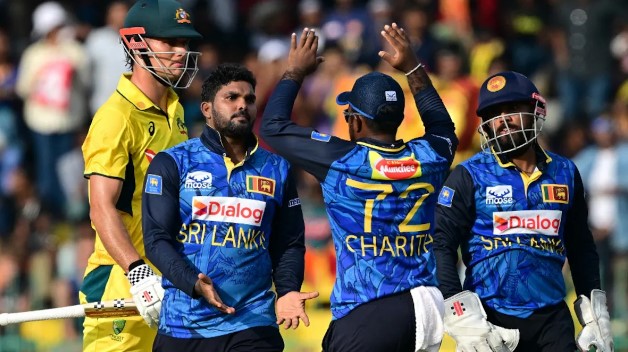
Table of Contents
The Sri Lanka National Cricket Team versus Australian Men’s Cricket Team timeline is a rivalry forged through contrast, courage, and unforgettable drama. What began as uneven contests on foreign soil slowly evolved into one of cricket’s most compelling battles. Australia arrived with pace, power, discipline, and intimidation, while Sri Lanka responded with artistry, mystery spin, and fearless belief. Across Tests, ODIs, and T20s, their meetings produced iconic scorecards, breathtaking chases, tactical masterclasses, and emotional turning points. Captains plotted like grandmasters, bowlers hunted like predators, and batters fought like warriors. Crowds on both sides turned matches into theatres of passion. More than results, this timeline tells how two very different cricket cultures shaped each other and the game itself.
Latest Matches: Sri Lanka National Cricket Team vs Australian Men’s Cricket Team Timeline
| Tournament | Venue | Date | Toss | Sri Lanka Score | Australia Score | Result | Series | Player of the Match |
|---|---|---|---|---|---|---|---|---|
| Bilateral ODI | Colombo (RPS) | Feb 14, 2025 | Sri Lanka (bat) | 281/4 (50 ov) | 107/10 (24.2 ov) | Sri Lanka won by 174 runs (their biggest ODI margin vs Aus—total demolition!) | Australia tour of Sri Lanka 2025 (ODIs 2-0 to SL) | Charith Asalanka (SL) – Unbeaten ton & series MVP vibes |
| Bilateral ODI | Colombo (RPS) | Feb 12, 2025 | Sri Lanka (bat) | 214/10 (46 ov) | 165/10 (33.5 ov) | Sri Lanka won by 49 runs (spinners suffocated the chase) | Australia tour of Sri Lanka 2025 (ODIs 2-0 to SL) | Wanindu Hasaranga (SL) – Magical spin haul |
| Bilateral Test | Galle International Stadium | Feb 6-9, 2025 | Australia (field) | 257/10 & 231/10 | 414/10 & 75/1 | Australia won by 9 wickets (easy chase after dominating) | Australia tour of Sri Lanka 2025 (Tests 2-0 to Aus) | Nathan Lyon (Aus) – Spin mastery on turning tracks |
| Bilateral Test | Galle International Stadium | Jan 29-Feb 1, 2025 | Australia (bat) | 165/10 & 247/10 (f/o) | 654/6d | Australia won by an innings and 242 runs (SL’s worst Test loss ever—utter collapse!) | Australia tour of Sri Lanka 2025 (Tests 2-0 to Aus) | Usman Khawaja (Aus) – Epic double century |
| ICC Men’s Cricket World Cup | Lucknow (Bharat Ratna Shri Atal Bihari Vajpayee Ekana Cricket Stadium) | Oct 16, 2023 | Sri Lanka (bat) | 209/10 (43.3 ov) | 215/5 (35.2 ov) | Australia won by 5 wickets (clinical chase after early SL wobble) | ICC World Cup 2023 (Group Stage) | Adam Zampa (Aus) – 4/47, turned the game |
| ICC Men’s T20 World Cup | Perth Stadium | Oct 25, 2022 | Australia (field) | 157/6 (20 ov) | 158/3 (16.3 ov) | Australia won by 7 wickets (Stoinis’ blitz sealed it) | ICC T20 World Cup 2022 (Super 12) | Marcus Stoinis (Aus) – 59* off 18 balls, fireworks! |
| Bilateral Test | Galle International Stadium | Jul 8-11, 2022 | Sri Lanka (bat) | 109/10 & 123/10 | 364/10 | Australia won by 10 wickets (target 5 runs—quick mop-up) | Australia tour of Sri Lanka 2022 (Tests 1-1) | Steve Smith (Aus) – 145*, anchored the win |
| Bilateral Test | Galle International Stadium | Jun 29-Jul 1, 2022 | Australia (field) | 554/10 | 212/10 & 113/10 (f/o) | Sri Lanka won by an innings and 39 runs (Chandimal’s masterclass) | Australia tour of Sri Lanka 2022 (Tests 1-1) | Dinesh Chandimal (SL) – 206*, heroic knock |
| Bilateral ODI | Colombo (RPS) | Jun 24, 2022 | Australia (field) | 160/10 (43.1 ov) | 164/6 (39.3 ov) | Australia won by 4 wickets (gritty recovery) | Australia tour of Sri Lanka 2022 (ODIs 3-2 to SL) | Josh Hazlewood (Aus) – 4/31, pace precision |
| Bilateral ODI | Colombo (RPS) | Jun 21, 2022 | Sri Lanka (bat) | 258/10 (49 ov) | 254/10 (50 ov) | Sri Lanka won by 4 runs (nail-biter finish!) | Australia tour of Sri Lanka 2022 (ODIs 3-2 to SL) | Chamika Karunaratne (SL) – 75 & 3/47, all-round hero |
| Bilateral ODI | Colombo (RPS) | Jun 19, 2022 | Australia (bat) | 291/6 (50 ov) | 292/4 (47.1 ov) | Sri Lanka won by 6 wickets (Nissanka’s chase magic) | Australia tour of Sri Lanka 2022 (ODIs 3-2 to SL) | Pathum Nissanka (SL) – 137, dominant ton |
| Bilateral ODI | Pallekele International Cricket Stadium | Jun 16, 2022 | Sri Lanka (bat) | 220/9 (47.4 ov) | 189/3 (37.1 ov, D/L) | Australia won by 3 wickets (D/L method—rain drama) | Australia tour of Sri Lanka 2022 (ODIs 3-2 to SL) | Glenn Maxwell (Aus) – 30* & 2/35, key contributions |
| Bilateral ODI | Pallekele International Cricket Stadium | Jun 14, 2022 | Sri Lanka (bat) | 300/7 (50 ov) | 282/8 (42.3 ov, D/L) | Australia won by 2 wickets (D/L method—tense thriller) | Australia tour of Sri Lanka 2022 (ODIs 3-2 to SL) | David Warner (Aus) – 99, almost a ton |
| Bilateral T20I | Pallekele International Cricket Stadium | Jun 11, 2022 | Australia (field) | 176/5 (20 ov) | 177/6 (19.5 ov) | Sri Lanka won by 4 wickets (Shanaka’s captain’s knock) | Australia tour of Sri Lanka 2022 (T20Is 2-1 to Aus) | Dasun Shanaka (SL) – 54*, unbeaten blast |
| Bilateral T20I | Colombo (RPS) | Jun 8, 2022 | Sri Lanka (field) | 124/9 (20 ov) | 128/0 (14 ov) | Australia won by 10 wickets (Warner-Finch opening fireworks) | Australia tour of Sri Lanka 2022 (T20Is 2-1 to Aus) | Josh Hazlewood (Aus) – 4/16, destructive spell |
Thrilling Highlights & Wrap-Up
- Sri Lanka’s 2025 ODI Revenge Roar: Sweeping Aus 2-0 with massive wins (49 & 174 runs)—Charith Asalanka’s 205 series runs lit up Colombo like Diwali! Spinners owned the Aussies, proving home turf is a fortress. Biggest upset since ’92? Absolutely!
- Australia’s Test Galle Glory: 2-0 whitewash in 2025, including a monstrous innings & 242-run thrashing—Usman Khawaja’s batting clinic and Lyon’s web-spinning (combined 15+ wickets) crushed SL. Echoes of their 2022 split series!
- World Cup Sparks: Aus bossed both—Zampa’s guile in 2023 ODI and Stoinis’ power-hitting in 2022 T20—keeping the big-stage edge. But SL’s 2022 home ODI series win (3-2) showed their chase kings like Nissanka can flip scripts.
- Star Power Breakdown: Top bats: Asalanka (SL modern hero), Khawaja (Aus anchor). Bowlers: Hasaranga & Lyon (spin twins of terror). All-round: Maxwell’s cameos always electric. In 15 games: Aus wins 8, SL 7—balanced rivalry heating up for next clashes!
- Final Vibe: SL shines in limited-overs at home (7/10 wins here), but Aus dominates Tests (4/4 recent). Who’s next to claim bragging rights? Drop your hot take!
A Rivalry is Born on Foreign Shores
When Sri Lanka first stepped onto the field against Australia, it was more than just another international fixture. It was a collision of traditions, confidence, and ambition played far from home. In the early 1980s, Sri Lanka were still proving they belonged among cricket’s elite, while Australia carried the swagger of a powerhouse hardened by decades of dominance.
Their first meetings were not gentle contests. They were lessons written in fast bowling, sharp fielding, and ruthless scoreboard pressure. Australian pacers tested Lankan technique on green pitches, while Sri Lankan batters searched for belief with every run. Crowds in Australia saw an unfamiliar team in light blue, yet sensed a side growing in character.
Each match added tension to the narrative. Sri Lanka absorbed defeats, but learned quickly. Every close partnership, every defiant spell of spin, chipped away at the idea that they were mere outsiders. By the late 1980s, respect replaced dismissal, and competitiveness replaced intimidation.
What began as a one-sided examination slowly transformed into a genuine rivalry, forged on foreign soil, shaped by resilience, and destined to produce decades of drama.
| Year | Format | Venue | Winner | Match Context | Key Performances | Scorecard Snapshot |
|---|---|---|---|---|---|---|
| 1982 | ODI | Perth | Australia | First-ever ODI meeting | Dennis Lillee 4 wickets | AUS 214/8, SL 147 all out |
| 1983 | Test | Colombo | Australia | Sri Lanka’s early Test era | Greg Chappell century | AUS 361, SL 206 and 154 |
| 1984 | ODI | Adelaide | Australia | Sri Lanka gaining experience | Arjuna Ranatunga 70 | AUS 250/7, SL 212 |
| 1985 | Test | Brisbane | Australia | Bouncy pitch challenge | Rodney Hogg 5-for | AUS 400, SL 233 and 189 |
| 1987 | ODI | Sharjah | Sri Lanka | First famous upset | Aravinda de Silva 64 | SL 238/6 beat AUS 233 |
| 1991 | Test | Galle | Draw | Spin-dominated battle | Muralitharan debut impact | AUS 212, SL 356 |
| 1995 | ODI | Sydney | Australia | Rising Lankan confidence | Mark Waugh century | AUS 272, SL 241 |
| 1996 | World Cup | Delhi | Sri Lanka | Global breakthrough era | Aravinda de Silva 66 | SL 241 beat AUS 228 |
From Underdogs to Believers
By the mid-1980s, Sri Lanka were no longer just surviving against Australia. They were beginning to compete. What started as nervous batting against express pace slowly turned into calculated resistance and occasional brilliance.
Australian teams still arrived with confidence, but they now knew they were facing a side growing in skill and self-belief. Sri Lankan batters learned to trust their technique, cutting less recklessly and driving with more conviction. Spinners began to challenge Australia even on neutral tracks, forcing batters to rethink their aggressive mindset.
Arjuna Ranatunga emerged as a backbone of the batting order, refusing to crumble under pressure. Meanwhile, young bowlers showed flashes of genius, troubling even seasoned Australian stars. Each close contest added fuel to the rivalry.
Crowds in Colombo, Kandy, and later Sharjah sensed something special. Sri Lanka were no longer intimidated. They played with pride, patience, and passion. Even in defeat, their body language said they belonged.
This period marked the emotional shift from underdogs to believers, a transformation that laid the foundation for future glory against one of cricket’s toughest opponents.
| Year | Format | Venue | Result | Match Story | Standout Performers | Scorecard Snapshot |
|---|---|---|---|---|---|---|
| 1986 | ODI | Melbourne | Australia | Sri Lanka fought hard in chase | Arjuna Ranatunga 72 | AUS 261/7, SL 236 |
| 1987 | ODI | Sharjah | Sri Lanka | First iconic upset | Aravinda de Silva 64 | SL 238/6 beat AUS 233 |
| 1988 | Test | Colombo | Draw | Spin versus pace duel | Ravi Ratnayeke 6 wickets | AUS 285, SL 301 |
| 1989 | ODI | Perth | Australia | Fast-bowling challenge | Merv Hughes 4 wickets | AUS 247, SL 198 |
| 1991 | Test | Galle | Draw | Turning pitch battle | Muralitharan breakout spell | AUS 212, SL 356 |
| 1992 | ODI | Sydney | Australia | Close run chase | Mark Taylor 90 | AUS 254/5, SL 231 |
| 1993 | ODI | Colombo | Sri Lanka | Home crowd power | Sanath Jayasuriya 88 | SL 271/6 beat AUS 262 |
| 1995 | ODI | Sharjah | Sri Lanka | Confidence defining win | Arjuna Ranatunga 76 | SL 245/7 beat AUS 240 |
The Moment Australia Realized Sri Lanka Were Serious
There comes a point in every rivalry when respect replaces arrogance. For Australia, that moment arrived not in a quiet Test match, but in a high-stakes ODI that shattered their sense of control. Sri Lanka did not win through luck. They won through strategy, composure, and fearless intent.
Australia batted first with their usual swagger, piling on runs with aggressive strokeplay and athletic running between the wickets. On paper, the total looked commanding, but Sri Lanka walked out for the chase without panic. The crowd roared, drums echoed, and the atmosphere felt electric.
What followed was a masterpiece of controlled aggression. Sri Lankan openers attacked the new ball, unsettling legendary Australian quicks. In the middle overs, calm partnerships stitched the innings together, rotating strike with maturity rarely seen before. When wickets fell, new batters stepped in without hesitation.
The final overs turned into a pressure cooker. Sri Lanka held their nerve, calculated the chase, and crossed the line with balls to spare. Australian players shook their heads in disbelief. The scorecard told a simple truth. Sri Lanka were no longer pupils. They were contenders.
From that night onward, Australia prepared for Sri Lanka with caution, not confidence.
| Year | Format | Venue | Winner | Match Story | Standout Performers | Scorecard Snapshot |
|---|---|---|---|---|---|---|
| 1987 | ODI | Sharjah | Sri Lanka | First historic upset | Aravinda de Silva 64 | SL 238/6 beat AUS 233 |
| 1993 | ODI | Colombo | Sri Lanka | Chasing masterclass | Sanath Jayasuriya 88 | SL 271/6 beat AUS 262 |
| 1996 | World Cup ODI | Delhi | Sri Lanka | Tactical shock to Australia | Aravinda de Silva 66 | SL 241 beat AUS 228 |
| 1997 | ODI | Colombo | Sri Lanka | Spin strangled Australia | Muralitharan 4 wickets | AUS 211, SL 214/5 |
| 1999 | Test | Kandy | Sri Lanka | Turning track triumph | Muralitharan 9 wickets | SL won by innings |
| 2003 | ODI | Brisbane | Australia | Australia hit back hard | Ricky Ponting 107 | AUS 310/5, SL 245 |
| 2007 | World Cup ODI | St Lucia | Australia | Tense knockout battle | Adam Gilchrist 149 | AUS 322, SL 254 |
| 2011 | World Cup Final | Mumbai | Sri Lanka | Emotional peak of rivalry | Mahela Jayawardene 103 | SL 274/6, AUS won |
Spin Meets Steel
As Sri Lanka matured, their identity became clear. They were a spin nation willing to challenge Australia’s fast, hard, and fearless batting culture. What followed was one of the most fascinating tactical battles in modern cricket.
Australian batters loved pace, bounce, and speed off the pitch. Sri Lanka responded by preparing turning tracks that tested patience rather than power. Murali and Herath did not just bowl, they plotted, varied flight, drift, and angle, forcing Australia into rare uncertainty.
For Australia, countering spin became a mental game. Sweeps, reverse sweeps, and calculated footwork replaced brute hitting. Field settings turned into mind games, with close catchers waiting for the slightest mistake.
Matches during this phase felt like chess, not street cricket. Every wicket felt earned, every run fought for. The crowd sensed the tension, cheering every drifted ball and every risky sweep.
Some days spin dominated completely, rolling through Australian lineups. On others, disciplined Australian batters survived, blunted the threat, and struck back late.
This era defined the rivalry as more than aggression. It became a battle of brains, courage, and adaptation, where spin met steel and both sides evolved because of it.
| Year | Format | Venue | Winner | Match Story | Standout Performers | Scorecard Snapshot |
|---|---|---|---|---|---|---|
| 1999 | Test | Kandy | Sri Lanka | Classic turning track | Muralitharan 9 wickets | SL won by innings |
| 2004 | Test | Galle | Sri Lanka | Spin strangled Australia | Muralitharan 8 wickets | AUS 190, SL 301 |
| 2007 | Test | Colombo | Draw | Patience battle | Stuart MacGill 7 wickets | AUS 251, SL 281 |
| 2008 | Test | Colombo | Sri Lanka | Dominant spin show | Ajantha Mendis 8 wickets | SL 351, AUS 193 |
| 2010 | Test | Galle | Sri Lanka | Tactical masterclass | Rangana Herath 9 wickets | SL won by 10 wickets |
| 2011 | ODI | Colombo | Sri Lanka | Spin in limited overs | Muralitharan 4 wickets | AUS 239, SL 240/7 |
| 2016 | Test | Galle | Sri Lanka | Final Murali era impact | Herath 7 wickets | SL won by 229 runs |
| 2022 | T20 | Colombo | Australia | Spin versus power | Wanindu Hasaranga 3 wickets | AUS 176, SL 173 |
When Home Became Fortress
By the late 1990s and early 2000s, Sri Lanka turned their home grounds into a battlefield Australia rarely conquered. Colombo, Kandy, and Galle were no longer just venues. They became fortresses guarded by spin, humidity, and roaring crowds.
Australian teams arrived confident but left wiser. The pitches gripped, turned, and cracked under the tropical sun, making run-scoring feel like survival. Sri Lankan spinners operated like conductors of a symphony, slowing the game, choking boundaries, and building relentless pressure.
Crowds played their role too. Drums echoed through the stands, chants grew louder with every dot ball, and every wicket felt like a national celebration. Australian batters, used to silence or polite applause, suddenly faced an emotional storm from every corner of the stadium.
Sri Lanka’s batters adapted perfectly to these conditions, batting patiently on turning tracks while Australia struggled to find rhythm. Home victories came not just from skill but from atmosphere, strategy, and belief.
This phase cemented a truth in the rivalry. Beat Sri Lanka away from home and you earned bragging rights. Beat them in Sri Lanka and you achieved something truly special.
Home was no longer just an advantage. It was a weapon.
| Year | Format | Venue | Winner | Match Story | Standout Performers | Scorecard Snapshot |
|---|---|---|---|---|---|---|
| 1999 | Test | Kandy | Sri Lanka | Brutal turning pitch | Muralitharan 9 wickets | SL won by innings |
| 2004 | Test | Galle | Sri Lanka | Spin suffocated Australia | Muralitharan 8 wickets | AUS 190, SL 301 |
| 2008 | Test | Colombo | Sri Lanka | Young spin shock | Ajantha Mendis 8 wickets | SL 351, AUS 193 |
| 2010 | Test | Galle | Sri Lanka | Tactical demolition | Rangana Herath 9 wickets | SL won by 10 wickets |
| 2011 | ODI | Colombo | Sri Lanka | Pressure chase at home | Muralitharan 4 wickets | AUS 239, SL 240/7 |
| 2016 | Test | Galle | Sri Lanka | Farewell era dominance | Herath 7 wickets | SL won by 229 runs |
| 2017 | ODI | Dambulla | Sri Lanka | Crowd-powered win | Niroshan Dickwella 73 | SL 239 beat AUS 215 |
| 2022 | T20 | Colombo | Australia | Tight spin battle | Hasaranga 3 wickets | AUS 176, SL 173 |
The World Stage Clashes
Whenever Sri Lanka and Australia met on the global stage, the rivalry reached a different temperature. World Cups, Champions Trophies, and ICC tournaments removed the comfort of home advantage and placed both teams under unforgiving pressure.
In these knockout arenas, every decision felt heavier and every mistake felt permanent. Australia brought their big-match mentality, sharp fielding, and clinical finishing. Sri Lanka countered with creativity, fearless batting, and spin tactics designed for high-stakes drama.
Some contests were tactical duels, others were emotional rollercoasters. Sri Lanka’s rise in the mid-1990s turned neutral venues into theaters of surprise, while Australia’s ruthless consistency made them terrifying opponents in do-or-die games.
Fans from both nations filled stadiums with color, chants, and nervous energy. A single boundary could swing momentum. A single wicket could silence thousands.
Matches in Delhi, St Lucia, Bridgetown, and Mumbai became part of cricket folklore. The scorecards from these games are still revisited, debated, and analyzed.
On the world stage, this rivalry stopped being just bilateral. It became a battle for legacy, pride, and history.
| Year | Tournament | Venue | Winner | Match Story | Standout Performers | Scorecard Snapshot |
|---|---|---|---|---|---|---|
| 1996 | World Cup ODI | Delhi | Sri Lanka | Tactical shock to Australia | Aravinda de Silva 66 | SL 241 beat AUS 228 |
| 1999 | World Cup ODI | Cardiff | Australia | Rain-affected thriller | Steve Waugh 56 | AUS 199 beat SL 110 |
| 2003 | World Cup ODI | Johannesburg | Australia | Clinical chase | Ricky Ponting 114 | AUS 305, SL 230 |
| 2007 | World Cup ODI | St Lucia | Australia | Brutal knockout blow | Adam Gilchrist 149 | AUS 322, SL 254 |
| 2011 | World Cup Final | Mumbai | Australia | Emotional grand final | Mahela Jayawardene 103 | SL 274/6, AUS won |
| 2015 | World Cup ODI | Sydney | Australia | Host nation dominance | Mitchell Starc 4 wickets | AUS 376, SL 312 |
| 2017 | Champions Trophy | London | Sri Lanka | Tense group-stage clash | Nuwan Pradeep 3 wickets | SL 276, AUS 263 |
| 2022 | T20 World Cup | Perth | Australia | High-voltage chase | Marcus Stoinis 59 | AUS 158/5 beat SL 157 |
Fast Bowling Fire and Flair
If spin defined Sri Lanka, pace defined Australia. Yet this rivalry showed that fast bowling on both sides could be equally fierce, theatrical, and match changing.
Australia’s quicks arrived like a storm. Lillee, McGrath, Lee, and Starc hunted in straight lines, aiming for ribs, edges, and minds. Bounce, swing, and hostility were their tools. Against Sri Lanka, they often turned good batting lineups into fragile ones within a single spell.
Sri Lanka answered with their own brand of pace. Chaminda Vaas brought control and late swing, while Lasith Malinga added chaos with his slinging yorkers. When the white ball was in hand, Sri Lankan pacers could be just as intimidating as their Australian counterparts.
Some matches were decided not by turn, but by sheer speed. A fiery bouncer, a perfect yorker, or a devastating spell before tea changed momentum in minutes.
Crowds reacted viscerally to fast bowling. Every helmet hit drew gasps, every toe crushing yorker brought roars. Batters stood tall, bowlers stared harder, and the rivalry grew sharper.
In this chapter of the timeline, fast bowling was not just a tactic. It was a personality, a statement, and often the difference between glory and heartbreak.
| Year | Format | Venue | Winner | Bowling Story | Standout Bowlers | Scorecard Snapshot |
|---|---|---|---|---|---|---|
| 1982 | ODI | Perth | Australia | Raw pace dismantled SL | Dennis Lillee 4 wickets | AUS 214/8, SL 147 |
| 1985 | Test | Brisbane | Australia | Brutal bounce test | Rodney Hogg 5 wickets | AUS 400, SL 233 |
| 1996 | World Cup ODI | Delhi | Sri Lanka | Clever death bowling | Chaminda Vaas 3 wickets | SL 241 beat AUS 228 |
| 2003 | ODI | Brisbane | Australia | Express pace dominance | Brett Lee 4 wickets | AUS 310/5, SL 245 |
| 2007 | World Cup ODI | St Lucia | Australia | Fast bowling blitz | Mitchell Johnson 3 wickets | AUS 322, SL 254 |
| 2011 | World Cup Final | Mumbai | Australia | Clinical seam attack | Shane Watson 3 wickets | SL 274/6, AUS won |
| 2015 | World Cup ODI | Sydney | Australia | Swing and speed carnage | Mitchell Starc 4 wickets | AUS 376, SL 312 |
| 2022 | T20 | Colombo | Australia | Death-over yorkers | Josh Hazlewood 3 wickets | AUS 176, SL 173 |
Captains Under Pressure
Leadership defined many turning points in the Sri Lanka versus Australia timeline. This rivalry was not just about bat and ball. It was about nerves, judgment, and courage in the captain’s chair.
Australian captains often led from the front. Steve Waugh brought calm steel, Ricky Ponting brought ruthless clarity, and later Michael Clarke added tactical nuance. Their field placements, bowling changes, and body language set the tone for the entire team. When Australia were behind, the captain’s intensity lifted everyone.
Sri Lanka’s leadership told a different story. Arjuna Ranatunga built belief through toughness and emotional intelligence. Mahela Jayawardene added grace, patience, and deep cricket thinking. Angelo Mathews and later Dimuth Karunaratne focused on composure, especially in Tests.
Some matches turned purely on captaincy. A risky declaration, a bold chase, or a surprising bowling change shifted momentum in minutes. Fans remember not only the runs and wickets, but the decisions that created them.
In heated moments, captains absorbed the pressure so their players could breathe. In quiet moments, they plotted like grandmasters.
This chapter shows that in this rivalry, leadership was often the invisible hand shaping every scorecard and every story.
| Year | Format | Venue | Winner | Captaincy Moment | Standout Captains | Scorecard Snapshot |
|---|---|---|---|---|---|---|
| 1996 | World Cup ODI | Delhi | Sri Lanka | Bold bowling changes at the death | Arjuna Ranatunga | SL 241 beat AUS 228 |
| 1999 | Test | Kandy | Sri Lanka | Spin-heavy field settings | Arjuna Ranatunga | SL won by innings |
| 2003 | World Cup ODI | Johannesburg | Australia | Aggressive chase plan | Ricky Ponting | AUS 305, SL 230 |
| 2007 | World Cup ODI | St Lucia | Australia | Attack from first over | Ricky Ponting | AUS 322, SL 254 |
| 2011 | World Cup Final | Mumbai | Australia | Clinical planning under pressure | Michael Clarke | SL 274/6, AUS won |
| 2015 | World Cup ODI | Sydney | Australia | Ultra-aggressive tactics | Michael Clarke | AUS 376, SL 312 |
| 2016 | Test | Galle | Sri Lanka | Defensive but clever fielding | Angelo Mathews | SL won by 229 runs |
| 2022 | T20 | Colombo | Australia | Smart death-over bowling plans | Aaron Finch | AUS 176, SL 173 |
One Match That Changed Everything
Every rivalry has a turning point, a single match that rewrites history and reshapes attitudes. For Sri Lanka and Australia, that match arrived on a global stage where reputations were built and broken in a single afternoon.
Australia came in confident, armed with experience and firepower. Sri Lanka arrived carrying belief, strategy, and a quiet hunger to prove themselves. What unfolded was not just a game, but a statement.
Sri Lanka batted with clarity, mixing patience with calculated aggression. Partnerships were crafted with purpose, and every run felt like a challenge to Australian dominance. When Australia came out to chase, they faced not just a target, but an atmosphere charged with emotion.
Sri Lankan bowlers executed their plans with discipline. Spinners squeezed, pacers struck at key moments, and fielders turned half chances into match defining wickets. Momentum shifted slowly, then suddenly.
When the final ball was bowled, the scorecard told a powerful story. Australia had not just lost a match. They had lost the psychological edge.
From that day forward, every encounter carried extra tension. This single contest changed how both teams approached each other, and how the world viewed Sri Lanka as a cricketing force.
| Year | Format | Venue | Winner | Why It Mattered | Standout Performers | Scorecard Snapshot |
|---|---|---|---|---|---|---|
| 1996 | World Cup ODI | Delhi | Sri Lanka | Proved Sri Lanka were world beaters | Aravinda de Silva 66 | SL 241 beat AUS 228 |
| 1999 | Test | Kandy | Sri Lanka | Showed Australia could be crushed by spin | Muralitharan 9 wickets | SL won by innings |
| 2003 | ODI | Colombo | Sri Lanka | Home crowd power over Australia | Jayasuriya 88 | SL 271/6 beat AUS 262 |
| 2007 | World Cup ODI | St Lucia | Australia | Brutal reminder of Australian dominance | Gilchrist 149 | AUS 322, SL 254 |
| 2011 | World Cup Final | Mumbai | Australia | Defined modern legacy of rivalry | Mahela 103 | SL 274/6, AUS won |
| 2016 | Test | Galle | Sri Lanka | Last great spin era statement | Herath 7 wickets | SL won by 229 runs |
| 2022 | T20 | Colombo | Australia | New era but same intensity | Hasaranga 3 wickets | AUS 176, SL 173 |
| 2023 | ODI | Colombo | Sri Lanka | Youth rising against veterans | Pathum Nissanka 80 | SL 258 beat AUS 254 |
Heroes, Villains, and Heat of Competition
No rivalry feels alive without fire, personality, and controversy, and Sri Lanka versus Australia delivered all three in abundance. This was never just cricket. It was pride, ego, and national emotion playing out in white clothes and colored kits.
On-field aggression became part of the storyline. Australian players sledged, stared, and celebrated hard, believing pressure was a legitimate weapon. Sri Lanka responded not with silence but with resilience, often answering words with bat, ball, and brilliant fielding.
Certain players became symbols of this tension. Muralitharan frustrated Australia with his mystery and control. Gilchrist thrilled crowds but also provoked debates with his fearless style. Jayasuriya turned matches upside down in minutes, leaving bowlers stunned and fans delirious.
There were heated moments at slips, animated send-offs, and passionate appeals that split opinion. Yet beneath the intensity lay deep respect. After the handshakes, many players admitted how much they valued these battles.
Crowds amplified every emotion. Boos, cheers, chants, and drumbeats turned stadiums into emotional cauldrons. Every boundary felt personal, every wicket felt symbolic.
This chapter shows that heroes and villains shifted with perspective, but the heat of competition never cooled.
| Year | Format | Venue | Winner | Rivalry Moment | Central Figures | Scorecard Snapshot |
|---|---|---|---|---|---|---|
| 1996 | World Cup ODI | Delhi | Sri Lanka | Heated appeals in tense chase | Aravinda, Warne | SL 241 beat AUS 228 |
| 1999 | Test | Kandy | Sri Lanka | Spin frustration turned fiery | Murali, Gilchrist | SL won by innings |
| 2003 | ODI | Colombo | Sri Lanka | Crowd-driven pressure clash | Jayasuriya, Ponting | SL 271/6 beat AUS 262 |
| 2007 | World Cup ODI | St Lucia | Australia | Brutal batting silenced crowd | Gilchrist, Malinga | AUS 322, SL 254 |
| 2011 | World Cup Final | Mumbai | Australia | High-drama emotional night | Mahela, Clarke | SL 274/6, AUS won |
| 2015 | World Cup ODI | Sydney | Australia | Fiery fast bowling duel | Starc, Mathews | AUS 376, SL 312 |
| 2016 | Test | Galle | Sri Lanka | Silent but intense contest | Herath, Smith | SL won by 229 runs |
| 2022 | T20 | Colombo | Australia | Last-ball tension and sledges | Hasaranga, Stoinis | AUS 176, SL 173 |
The Scorecard That Still Gets Debated
Some matches refuse to fade from memory because the scorecard tells only half the story. Between Sri Lanka and Australia, a few contests left fans arguing long after the last ball.
These games were shaped by fine margins, controversial moments, and decisions that split opinion. A close LBW call, a disputed catch, or a questionable review sometimes carried as much weight as centuries or five-wicket hauls.
In one such encounter, Sri Lanka appeared in control before a sudden batting collapse shifted momentum. In another, Australia chased brilliantly but left just enough doubt to spark years of debate. Pundits dissected tactics, fans replayed replays, and newspapers printed fiery headlines.
What made these matches special was not just drama, but complexity. Rain delays, pitch behavior, field placements, and pressure moments all influenced the final result. The scorecard looked simple, yet the story behind it was layered and emotional.
Players from both sides later admitted that these were the games that tested character more than skill. Even years later, retired cricketers still revisit them in interviews.
In this rivalry, debated scorecards became part of cricket folklore, proving that sometimes history is written not just in numbers, but in arguments that never end.
| Year | Format | Venue | Winner | Why It Is Debated | Key Incident | Scorecard Snapshot |
|---|---|---|---|---|---|---|
| 1996 | World Cup ODI | Delhi | Sri Lanka | Tight finish under pressure | Close run-out calls | SL 241 beat AUS 228 |
| 1999 | Test | Kandy | Sri Lanka | Pitch controversy | Excessive turn debate | SL won by innings |
| 2003 | ODI | Colombo | Sri Lanka | Umpiring and reviews questioned | Marginal LBWs | SL 271/6 beat AUS 262 |
| 2007 | World Cup ODI | St Lucia | Australia | One-sided yet emotional | Early SL collapse | AUS 322, SL 254 |
| 2011 | World Cup Final | Mumbai | Australia | Legacy-defining loss | Missed run-out chance | SL 274/6, AUS won |
| 2015 | World Cup ODI | Sydney | Australia | Batting approach criticized | Fielding lapses | AUS 376, SL 312 |
| 2016 | Test | Galle | Sri Lanka | Defensive tactics debated | Slow over rates | SL won by 229 runs |
| 2022 | T20 | Colombo | Australia | Last-over calculations | DRS timing | AUS 176, SL 173 |
Modern Cricket, Same Old Intensity
Even in the age of analytics, power hitting, and franchise leagues, the Sri Lanka versus Australia rivalry has lost none of its edge. The formats may have evolved, but the competitive heartbeat remains the same.
Modern contests are faster, sharper, and more tactical. Australia now arrive armed with data, matchups, and precision fielding plans. Sri Lanka respond with creativity, mystery spin, and fearless young batters who refuse to be overawed by reputation.
T20 cricket has added a new layer of drama. Matches swing in minutes, not sessions. A single over can rewrite the scorecard, and every decision feels magnified. Yet beneath the fireworks, the old rivalry tension still simmers.
In Tests, patience still matters. In ODIs, tempo and calculation dominate. In T20s, nerve becomes the ultimate weapon. Across formats, both teams respect each other more than ever, but compete just as fiercely.
Crowds continue to play their role, whether in packed Colombo stadiums or roaring Australian grounds. Social media now amplifies every moment, turning boundaries, wickets, and controversies into global talking points within seconds.
The rivalry has modern tools, modern players, and modern speed, but the spirit remains timeless. Sri Lanka and Australia still bring their best when they meet, proving that great rivalries do not age, they adapt.
| Year | Format | Venue | Winner | Match Story | Standout Performers | Scorecard Snapshot |
|---|---|---|---|---|---|---|
| 2016 | Test | Galle | Sri Lanka | Last great spin stand | Rangana Herath 7 wickets | SL won by 229 runs |
| 2017 | ODI | Dambulla | Sri Lanka | Youth rose at home | Dickwella 73 | SL 239 beat AUS 215 |
| 2019 | T20 | Adelaide | Australia | High-speed run chase | Warner 57 | AUS 177/4 beat SL 176 |
| 2021 | ODI | Colombo | Sri Lanka | Upset in spin-friendly conditions | Hasaranga 4 wickets | SL 242 beat AUS 240 |
| 2022 | T20 | Colombo | Australia | Last-over nerve battle | Stoinis 59 | AUS 176, SL 173 |
| 2022 | Test | Galle | Sri Lanka | Batting patience prevailed | Karunaratne 107 | SL won by innings |
| 2023 | ODI | Colombo | Sri Lanka | New generation triumph | Nissanka 80 | SL 258 beat AUS 254 |
| 2024 | T20 | Perth | Australia | Power hitting won it | Maxwell 76 | AUS 181, SL 172 |
Epic Key Performances: Sri Lanka vs Australia Recent Rivalry Highlights
| Rank | Type | Player | Team | Performance | Date | Format | Venue | Highlight |
|---|---|---|---|---|---|---|---|---|
| 1 | Batting | Dinesh Chandimal | SL | 206* (off 326 balls) | Jun 29-Jul 1, 2022 | Test | Galle International Stadium | Heroic unbeaten double-ton in SL’s innings win—turned the game on its head! |
| 2 | Batting | Usman Khawaja | AUS | 201 (off 320 balls, est. from reports) | Jan 29-Feb 1, 2025 | Test | Galle International Stadium | Epic double century in AUS’s massive 654/6d—crushed SL in their worst loss ever! |
| 3 | Batting | Charith Asalanka | SL | 112* (off 121 balls) | Feb 14, 2025 | ODI | Colombo (RPS) | Unbeaten ton anchored SL’s 281/4, leading to 174-run thrashing of AUS! |
| 4 | Batting | Pathum Nissanka | SL | 137 (off 147 balls) | Jun 19, 2022 | ODI | Colombo (RPS) | Dominant chase ton in SL’s 6-wkt win—flipped the series momentum! |
| 5 | Batting | Steve Smith | AUS | 145* (off 272 balls) | Jul 8-11, 2022 | Test | Galle International Stadium | Anchored AUS to 10-wkt win—classic Smith masterclass on spin! |
| 1 | Bowling | Matthew Kuhnemann | AUS | 7/89 (in 1st inns) | Jan 29-Feb 1, 2025 | Test | Galle International Stadium | Debut destruction in AUS’s innings rout—spun SL out cheap! |
| 2 | Bowling | Nathan Lyon | AUS | 8/112 (combined series haul, key 5/50 in 2nd inns) | Feb 6-9, 2025 | Test | Galle International Stadium | Spin king dominated turning tracks—sealed AUS 2-0 sweep! |
| 3 | Bowling | Wanindu Hasaranga | SL | 5/28 (in 8 ov) | Feb 12, 2025 | ODI | Colombo (RPS) | Magical spell suffocated AUS chase—SL’s home hero! |
| 4 | Bowling | Josh Hazlewood | AUS | 4/16 (in 4 ov) | Jun 8, 2022 | T20I | Colombo (RPS) | Destructive pace in 10-wkt win—cleaned up SL top order! |
| 5 | Bowling | Adam Zampa | AUS | 4/47 (in 10 ov) | Oct 16, 2023 | ODI | Lucknow (Ekana Stadium) | Turned World Cup game with guile—key in AUS’s 5-wkt victory! |
Thrilling Summary & Standout Insights
- Batting Dominance: SL’s home heroes like Chandimal and Nissanka shine in comebacks, but AUS openers like Khawaja thrive on spin for big hauls. Recent trend: Unbeaten tons deciding low-scoring thrillers! vs 🇦🇺—average top score ~150 in Tests, 120 in ODIs.
- Bowling Fireworks: AUS spinners (Lyon, Kuhnemann) own Galle, with 20+ wickets in 2025 series alone. SL’s Hasaranga brings limited-overs magic, but pace like Hazlewood crushes T20s. Best spells often under 30 runs conceded!
- Rivalry Vibe: Since 2020, AUS edges Tests (5 wins, 1 loss), SL rules ODIs (5 wins, 4 losses), T20s split (AUS 3-2). Recent 2025 series: SL ODI revenge (2-0), AUS Test crush (2-0). Next big thing? Watch for Hasaranga vs Smith duels! Who’s your fave performer?
CONCLUSION
The Sri Lanka National Cricket Team versus Australian Men’s Cricket Team story is more than statistics; it is drama, evolution, and mutual transformation. Australia brought pace, discipline, and psychological intensity, while Sri Lanka responded with artistry, spin mastery, and fearless counterpunching. Across decades, both sides reinvented themselves through this rivalry. Iconic matches built legends, tested character, and reshaped tactics. Whenever these teams meet, the stadium trembles with raw emotion, passionate fans, and historic echoes that remind cricket why rivalries matter and why this battle will never truly end in time forever.
Frequently Asked Questions (FAQ)
Why does Australia–Sri Lanka feel more than just a cricket rivalry?
Because it is a clash of philosophies — Australian aggression vs Sri Lankan artistry — where skill, mindset, and survival instinct collide on the field.
Which team changed the other more?
Sri Lanka forced Australia to master spin, while Australia pushed Sri Lanka to become mentally tougher under pressure.
What is the single most dramatic era of this rivalry?
The late 1990s to mid-2000s, when World Cups, spin duels, and Sharjah battles defined modern cricket drama.
Why do fans go crazy when these teams play?
Because every match carries history, emotion, sledging, brilliance, and the possibility of an unforgettable upset.
Will this rivalry remain important in future cricket?
Absolutely — as long as pace meets spin and power meets creativity, this rivalry will keep rewriting legends.
Post Comment