India Women’s National Cricket Team Vs Sri Lanka Women Players
Table of Contents
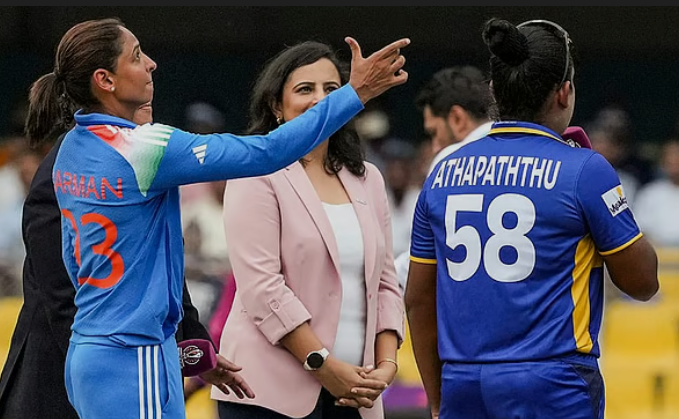
The India Women’s National Cricket Team vs Sri Lanka Women’s National Cricket Team timeline reflects far more than simple match results and scorecards. It is a story of dominance, resistance, tactical evolution, and growing belief across generations of women’s cricket in Asia. India controlled the rivalry for many years through experienced batting and world class spin bowling, but Sri Lanka slowly transformed into a fearless competitor capable of changing major tournaments. From Mithali Raj’s calm leadership to Harmanpreet Kaur’s aggressive approach and Chamari Athapaththu’s fearless counterattacks, this rivalry has produced unforgettable moments. Every era added fresh pressure, emotional crowd reactions, and defining performances that shaped the modern identity of women’s cricket.
Recent Player Squads
India Women Players
Sri Lanka Women Players
Harmanpreet Kaur
Chamari Athapaththu
Smriti Mandhana
Harshitha Samarawickrama
Shafali Verma
Hasini Perera
Jemimah Rodrigues
Vishmi Gunaratne
Deepti Sharma
Kavisha Dilhari
Richa Ghosh
Nilakshika De Silva
Harleen Deol
Imesha Dulani
Yastika Bhatia
Anushka Sanjeewani
Renuka Singh Thakur
Inoka Ranaweera
Sneh Rana
Sugandika Kumari
Radha Yadav
Udeshika Prabodhani
Arundhati Reddy
Achini Kulasuriya
Amanjot Kaur
Dewmi Vihanga
Kranti Gaud
Malsha Shehani
Sree Charani
Kaushini Nuthyangana
Vaishnavi Sharma
Shashini Gimhani
G Kamalini
Kawya Kavindi
Bharti Fulmali
Rashmika Sewwandi
Shreyanka Patil
Malki Madara
Nandani Sharma
Mithali Ayodhya
Recent Matches
Match Date
Format
Venue
Scores
Match Result
30 Dec 2025
T20I
Thiruvananthapuram
INDW 175 for 7, SLW 160 for 7
India Women won by 15 runs
28 Dec 2025
T20I
Thiruvananthapuram
INDW 221 for 2, SLW 191 for 6
India Women won by 30 runs
26 Dec 2025
T20I
Thiruvananthapuram
SLW 112 for 7, INDW 115 for 2
India Women won by 8 wickets
23 Dec 2025
T20I
Visakhapatnam
SLW 128 for 9, INDW 129 for 3
India Women won by 7 wickets
21 Dec 2025
T20I
Visakhapatnam
SLW 121 for 6, INDW 122 for 2
India Women won by 8 wickets
Head to Head Evolution Summary
Format
Total Matches Played
India Women Wins
Sri Lanka Women Wins
No Result or Tied
India Win Percentage
ODI
37
33
3
1
89.1 percent
T20I
32
26
5
1
81.2 percent
Test Matches
1
1
0
0
100 percent
Overall Combined
70
60
8
2
85.7 percent
Top Individual Performances
Player Name
Team
Performance Category
Special Record or Milestone Achieved
Smriti Mandhana
India
Top Batting Performer
Most total runs with 657 runs and highest score of 116 head to head
Deepti Sharma
India
Top Bowling Performer
Most wickets with 19 wickets head to head
Chamari Athapaththu
Sri Lanka
Ultimate All Rounder
Most runs for Sri Lanka with 574 runs alongside key breakthrough wickets
Shafali Verma
India
Explosive Opener
Smashed 79 not out off just 42 balls
Inoka Ranaweera
Sri Lanka
Veteran Spinner
Most wickets for Sri Lanka with 15 wickets against the Indian batting order
Renuka Singh
India
Powerplay Enforcer
Registered a 4 wicket haul taking 4 wickets for 11 runs
Jemimah Rodrigues
India
Middle Order Anchor
Piled up 443 runs at an average of 44.30
Hasini Perera
Sri Lanka
Resilient Batter
Hit a gritty 65 runs off 42 balls during recent T20I matches
Biggest Wins and Closest Matches
Match Date
Format
Winner
Margin or Result
Category
07 Feb 2017
ODI
India Women
Won by 114 runs
Biggest Win By Runs
15 Feb 2016
ODI
India Women
Won by 107 runs
Biggest Win By Runs
11 May 2025
ODI
India Women
Won by 97 runs
Biggest Win By Runs
25 Jan 2014
ODI
Sri Lanka Women
Won by 3 wickets
Closest Match Last Over Finish
16 Sep 2018
T20I
Sri Lanka Women
Won by 3 wickets
Closest Match Tight Chase
04 May 2025
T20I
Sri Lanka Women
Won by 3 wickets
Closest Match Thrilling Finish
When India and Sri Lanka Women First Shared the Same Pitch
The early meetings between India Women and Sri Lanka Women carried a sense of discovery for Asian women’s cricket. India entered the rivalry with stronger domestic structure, experienced batters, and disciplined bowling attacks, while Sri Lanka were still developing consistency at the international level. Their first encounters often showed a visible gap in tactical awareness and match control. India relied on calm batting partnerships and accurate spin bowling to dominate key phases of games. Sri Lanka, however, displayed determination and flashes of talent that hinted at future progress. These opening contests quietly built the foundation of a rivalry that would later grow in intensity and emotional value. Even during one sided scorecards, both teams contributed to expanding women’s cricket visibility across the subcontinent and inspiring future generations of players.
Season
Score
Winning Team
Key Performance
Rivalry Significance
2000 ODI Match
India 196/4 vs SL 121
India Women
India top order steady batting
Beginning of rivalry timeline
2002 Series
India 214/5 vs SL 144
India Women
Spin attack controlled middle overs
India showed tactical superiority
2004 Asia Cup
India 176/3 vs SL 98
India Women
Jhulan Goswami bowling spell
Sri Lanka struggled under pressure
2005 ODI Clash
India 209/5 vs SL 145
India Women
Mithali Raj composed fifty
Rivalry gained regional attention
The One Sided Years That Built Hidden Tension
For many years, the India Women’s National Cricket Team controlled this rivalry with disciplined batting, sharp spin bowling, and deeper international experience. Sri Lanka Women often entered matches as underdogs, yet those defeats slowly created hidden tension between the sides. India regularly posted competitive totals while bowlers squeezed Sri Lanka through tight middle overs. Players like Mithali Raj and Jhulan Goswami dominated key moments with calm execution under pressure. Still, Sri Lanka showed flashes of resistance through determined partnerships and improved fielding standards. Several matches became closer than expected, especially in Asian tournaments where slow pitches reduced India’s natural advantage. Although the scorecards mostly favored India, the rivalry quietly developed emotional intensity, competitive pride, and growing belief within the Sri Lankan camp for future battles.
Season
Score
Winning Team
Key Performance
Rivalry Impact
2005 ODI Series
India 209/5 vs SL 145
India Women
Mithali Raj steady fifty
India established batting dominance
2008 Asia Cup
India 142/4 vs SL 87
India Women
Jhulan Goswami match-winning spell
Sri Lanka struggled against pace and spin
2011 ODI Match
India 238/6 vs SL 181
India Women
Harmanpreet aggressive middle overs
Rivalry became more competitive
2013 World T20
India 144/3 vs SL 127/9
India Women
Ekta Bisht controlled spin attack
Sri Lanka showed stronger resistance
Mithali Raj and the Era of Calm Control
Mithali Raj brought stability, elegance, and tactical intelligence to the India Women’s National Cricket Team during many clashes against Sri Lanka Women. Her batting style was never rushed, yet it slowly drained pressure from opponents and pushed India into commanding positions. In ODI cricket especially, Mithali mastered the art of rotating strike while building long partnerships that frustrated Sri Lankan bowlers. She often guided younger batters through difficult phases and controlled run chases with remarkable patience. Sri Lanka struggled to break her concentration once she settled at the crease. Her leadership also shaped India’s calm approach under pressure, particularly in Asia Cup contests and bilateral series. During this era, India’s victories were built less on aggression and more on disciplined execution, smart batting tempo, and tactical control.
Season
Score
Winning Team
Key Performance
Rivalry Impact
2006 ODI Series
India 192/3 vs SL 128
India Women
Mithali Raj unbeaten fifty
India controlled chase calmly
2008 Asia Cup
India 170/4 vs SL 118
India Women
Mithali steady captain’s knock
Tactical batting frustrated Sri Lanka
2012 WT20 Match
India 138/5 vs SL 95
India Women
Mithali Raj anchor innings
India dominated through experience
2016 ODI Series
India 249/5 vs SL 183
India Women
Mithali Raj century partnership
Leadership defined rivalry phase
Sri Lanka Begin to Fight Back
Sri Lanka Women slowly transformed the rivalry by improving fitness standards, sharper fielding, and more disciplined bowling plans against India’s experienced batting lineup. While India still won many contests, Sri Lanka began pushing matches deeper into the final overs and reducing the performance gap. Chamari Athapaththu emerged as the symbol of fearless resistance with attacking innings that challenged India’s bowling control. Sri Lankan bowlers also started using slower deliveries and tighter field placements to frustrate India during middle overs. These changes created emotional pressure in contests that once felt predictable. Fans noticed the shift immediately as Sri Lanka competed with greater confidence in Asia Cup and T20 matches. The rivalry became more balanced because Sri Lanka no longer entered games simply hoping to survive against India’s dominance.
Season
Score
Winning Team
Key Performance
Rivalry Impact
2014 Asia Cup
India 140/5 vs SL 129
India Women
Chamari attacking fifty
Sri Lanka showed fearless batting
2016 WT20 Asia Cup
India 127/4 vs SL 123
India Women
Tight bowling in final overs
Matches became more competitive
2018 T20 Match
India 131/6 vs SL 129/8
India Women
Sri Lanka strong fielding effort
Pressure increased on India
2020 T20 Series
India 138/6 vs SL 113
India Women
Athapaththu all round display
Sri Lanka gained tactical maturity
Harmanpreet Kaur Changes the Tempo of the Rivalry
Harmanpreet Kaur transformed the rhythm of India Women versus Sri Lanka Women matches with fearless stroke play and aggressive captaincy. Unlike the patient approach of earlier years, Harmanpreet attacked spinners early and forced Sri Lanka’s bowlers onto the defensive. Her powerful hitting in T20 cricket changed how India approached middle overs, often turning balanced games into one sided contests within minutes. Sri Lanka struggled to contain her intent once field restrictions eased. Crowds responded to her energy, making the rivalry louder and emotionally sharper. Her leadership also encouraged younger Indian players to play with freedom rather than caution. During this period, matches became faster, more unpredictable, and tactically aggressive. The rivalry moved away from slow control and entered an era driven by momentum shifts and attacking cricket.
Season
Score
Winning Team
Key Performance
Rivalry Impact
2018 WT20 Asia Cup
India 141/4 vs SL 109
India Women
Harmanpreet quickfire 48
India increased batting aggression
2020 T20 Series
India 138/6 vs SL 113
India Women
Harmanpreet attacking middle overs
Tempo of rivalry changed dramatically
2022 Asia Cup
Sri Lanka 125/7 vs India 127/5
India Women
Harmanpreet calm finishing role
Tight finish added pressure element
2023 T20I Series
India 172/6 vs SL 98
India Women
Harmanpreet captain’s fifty
India dominated with fearless batting
Asia Cup Nights That Changed the Rivalry Mood
Asia Cup clashes between India Women and Sri Lanka Women brought a completely different emotional atmosphere to the rivalry. These matches carried regional pride, louder crowds, and pressure that felt heavier than bilateral series cricket. India often entered as favorites, but Sri Lanka began showing greater confidence in high stakes contests. Slow pitches created tense low scoring battles where every boundary mattered. Chamari Athapaththu’s fearless batting and India’s experienced spin attack produced unforgettable tactical duels. Some games went deep into the final overs, shifting momentum several times and increasing fan tension across both countries. The rivalry stopped feeling predictable during these Asia Cup nights. Sri Lanka started believing they could challenge India consistently, while India realized even small mistakes could suddenly change the result in emotionally charged tournament cricket.
Season
Score
Winning Team
Key Performance
Rivalry Impact
2016 Asia Cup
India 122/3 vs SL 97
India Women
Harmanpreet controlled chase
India maintained tournament dominance
2018 Asia Cup
India 141/4 vs SL 109
India Women
Poonam Yadav spin brilliance
Rivalry intensity increased in T20 format
2022 Asia Cup
Sri Lanka 109/7 vs India 114/6
India Women
Deepti Sharma calm all round show
Match went down to final overs
2024 Asia Cup
Sri Lanka 141/4 vs India 138/7
Sri Lanka Women
Chamari Athapaththu captain’s knock
Sri Lanka gained historic confidence
Record Breaking Performances and Statistical Landmarks
The India Women versus Sri Lanka Women rivalry has produced several memorable records that shaped the timeline of Asian women’s cricket. India dominated many statistical categories for years through batting depth, disciplined spin bowling, and stronger finishing ability. Mithali Raj scored heavily against Sri Lanka with remarkable consistency, while Jhulan Goswami repeatedly delivered match winning spells in pressure situations. Harmanpreet Kaur later added explosive batting performances that raised scoring standards in T20 cricket. For Sri Lanka, Chamari Athapaththu emerged as the biggest game changer, producing fearless innings against India’s experienced attack. The rivalry also witnessed important partnerships, quick fifties, and economical bowling displays on difficult subcontinent pitches. These performances were not just numbers on a scorecard because they reflected the tactical evolution and emotional growth of both teams across different generations.
Season
Score
Winning Team
Key Performance
Statistical Landmark
2006 ODI Match
India 245/4 vs SL 154
India Women
Mithali Raj century partnership
One of India’s highest ODI totals vs SL
2012 WT20
India 138/5 vs SL 95
India Women
Jhulan Goswami 4 wicket spell
Best bowling figures in rivalry phase
2018 Asia Cup
India 141/4 vs SL 109
India Women
Harmanpreet rapid 48
Fast scoring middle overs record
2024 Asia Cup
Sri Lanka 141/4 vs India 138/7
Sri Lanka Women
Chamari Athapaththu match winning fifty
Sri Lanka’s landmark Asia Cup victory
Conclusion
The India Women versus Sri Lanka Women rivalry has evolved from a one sided contest into a competitive and emotionally charged battle that now captures attention across the cricket world. Historic scorecards, dramatic Asia Cup clashes, and record breaking performances have given this timeline genuine sporting significance. India’s consistency built the rivalry’s foundation, while Sri Lanka’s recent rise added unpredictability and belief to every meeting. The rivalry now represents the growth of women’s cricket in Asia, where younger players compete with greater confidence, professionalism, and tactical awareness. As future tournaments approach, fans expect tighter contests, louder atmospheres, and more unforgettable moments that will continue expanding this fascinating cricketing journey.

Post Comment