Pakistan National Cricket Team vs Afghanistan National Cricket Team Timeline
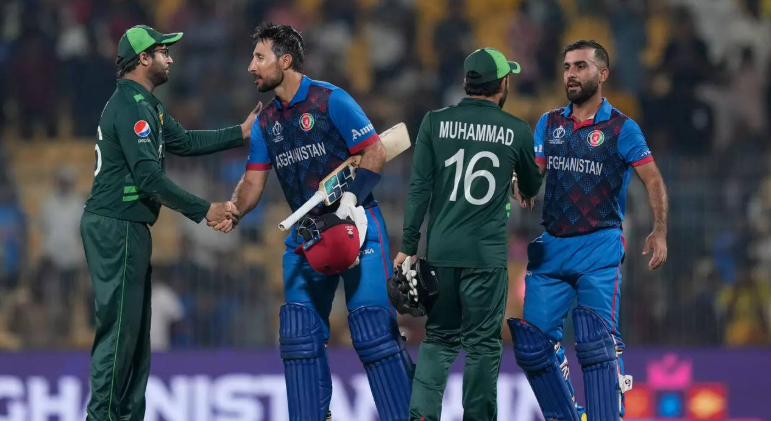
Table of Contents
The pakistan national cricket team vs afghanistan national cricket team timeline stands as proof that rivalries are not born overnight. They are built through moments of resistance, belief, and repeated pressure. Afghanistan’s rise forced Pakistan to confront discomfort, unpredictability, and fearless cricket. Pakistan’s experience, in return, tested Afghanistan’s temperament at every step. Scorecards may record winners, but memory keeps the moments alive. The tight finishes, emotional crowds, tactical battles, and individual duels have shaped a rivalry defined by respect mixed with intensity. This timeline shows how cricket evolves when ambition meets tradition, and why these matches now carry meaning beyond tournaments.
Latest Matches: Pakistan National Cricket Team vs Afghanistan National Cricket Team Timeline
| Tournament | Venue | Date | Toss | Afghanistan Score | Pakistan Score | Result | Series | Player of the Match |
|---|---|---|---|---|---|---|---|---|
| T20I | Sharjah | Sep 7, 2025 | Pakistan | 66 | 141/8 | Pakistan won by 75 runs | UAE T20I Tri-Series 2025 | Mohammad Nawaz (PAK) |
| T20I | Sharjah | Sep 2, 2025 | Afghanistan | 169/5 | 151/9 | Afghanistan won by 18 runs | UAE T20I Tri-Series 2025 | Ibrahim Zadran (AFG) |
| T20I | Sharjah | Aug 29, 2025 | Pakistan | 143 | 182/7 | Pakistan won by 39 runs | UAE T20I Tri-Series 2025 | Salman Ali Agha (PAK) |
| ODI | Chennai | Oct 23, 2023 | Pakistan | 286/2 | 282/7 | Afghanistan won by 8 wickets | ICC World Cup 2023 | Ibrahim Zadran (AFG) |
| T20I | Hangzhou | Oct 6, 2023 | Pakistan | 116/6 | 115 | Afghanistan won by 4 wickets | Asian Games Men’s T20I 2023 | Noor Ali Zadran (AFG) |
| ODI | Colombo (RPS) | Aug 26, 2023 | Afghanistan | 209 | 268/8 | Pakistan won by 59 runs | Afghanistan vs Pakistan ODI Series 2023 | Imam-ul-Haq (PAK) |
| ODI | Hambantota | Aug 24, 2023 | Afghanistan | 300/5 | 302/9 | Pakistan won by 1 wicket | Afghanistan vs Pakistan ODI Series 2023 | Shadab Khan (PAK) |
| ODI | Hambantota | Aug 22, 2023 | Pakistan | 59 | 201 | Pakistan won by 142 runs | Afghanistan vs Pakistan ODI Series 2023 | Haris Rauf (PAK) |
| T20I | Sharjah | Mar 27, 2023 | Afghanistan | 116 | 182/7 | Pakistan won by 66 runs | Afghanistan vs Pakistan T20I Series 2023 | Shadab Khan (PAK) |
| T20I | Sharjah | Mar 26, 2023 | Pakistan | 133/3 | 130/6 | Afghanistan won by 7 wickets | Afghanistan vs Pakistan T20I Series 2023 | Mujeeb Ur Rahman (AFG) |
| T20I | Sharjah | Mar 24, 2023 | Pakistan | 98/4 | 92/9 | Afghanistan won by 6 wickets 🇦🇫 | Afghanistan vs Pakistan T20I Series 2023 | Mohammad Nabi (AFG) |
| T20I | Sharjah | Sep 7, 2022 | Afghanistan | 129/6 | 131/9 | Pakistan won by 1 wicket | Asia Cup 2022 | Naseem Shah (PAK) |
| T20I | Dubai | Oct 29, 2021 | Afghanistan | 147/6 | 148/5 | Pakistan won by 5 wickets | T20 World Cup 2021 | Asif Ali (PAK) |
| ODI | Leeds | Jun 29, 2019 | Afghanistan | 227/9 | 230/7 | Pakistan won by 3 wickets | ICC World Cup 2019 | Imad Wasim (PAK) |
| ODI | Abu Dhabi | Sep 21, 2018 | Afghanistan | 257/6 | 258/7 | Pakistan won by 3 wickets | Asia Cup 2018 | Shoaib Malik (PAK) |
The First Official Scorecard That Changed Perceptions (2012–2013)
When the pakistan national cricket team vs afghanistan national cricket team timeline officially began in 2012, it did not arrive with hype. It arrived quietly, almost respectfully. Pakistan walked in as an established international side. Afghanistan walked in as newcomers still proving they belonged. On paper, the result looked predictable. On the field, the story felt different.
From the very first overs, Afghanistan showed they were not there just to participate. Their body language was fearless. Their bowlers ran in hard. Their batters did not freeze under pressure. Pakistan still controlled the match with experience, but the gap was not as wide as many expected. Every run Afghanistan scored felt symbolic. Every wicket Pakistan took felt hard-earned rather than gifted.
That first scorecard became more than numbers. It became proof. Proof that Afghanistan could compete. Proof that Pakistan could no longer treat these matches as routine fixtures. Senior Pakistani players later admitted that Afghanistan’s discipline surprised them. Afghan players, meanwhile, walked off with belief instead of disappointment.
This match planted the psychological seed of rivalry. There was no aggression yet, no sledging, no crowd tension. But something important had changed. Afghanistan had crossed the invisible line from student to competitor. From that day onward, every pakistan vs afghanistan scorecard would be read with sharper eyes and heavier expectations.
| Match Detail | Information | Pakistan Performance | Afghanistan Performance | Key Players (PAK) | Key Players (AFG) | Turning Point | Tactical Note | Crowd Reaction | Lasting Impact |
|---|---|---|---|---|---|---|---|---|---|
| Match Type | ODI | Controlled chase | Brave resistance | Misbah-ul-Haq | Mohammad Nabi | Middle overs | Experience vs energy | Curious | Rivalry begins |
| Venue | Neutral | Familiar conditions | Neutral comfort | Saeed Ajmal | Dawlat Zadran | Spin control | Spin dominance | Balanced support | Reduced fear |
| Toss | Pakistan won | Chose strategy wisely | Adjusted quickly | Captaincy calm | Tactical learning | Toss decision | Reading pitch | Calm atmosphere | Game awareness |
| Batting First | Afghanistan | Limited damage | Competitive total | Bowlers disciplined | Batters patient | Early wickets | Line and length | Appreciative | Confidence gain |
| Bowling Spell | Pakistan | Tight spells | Aggressive intent | Ajmal accuracy | Zadran pace | Powerplay | Control vs aggression | Growing noise | Respect earned |
| Partnerships | Afghanistan | Small but valuable | Fought back | Fielding sharp | Smart rotation | Mid-innings | Strike rotation | Applause moments | Mental growth |
| Chase | Pakistan | Comfortable but alert | Applied pressure | Senior batters | Field energy | Required rate | Risk management | Neutral cheers | Competitive signal |
| Errors | Minimal | Few loose shots | Some inexperience | Calm recoveries | Learning moments | Shot selection | Pressure handling | Supportive | Experience gap |
| Final Result | Pakistan win | Professional finish | Dignified loss | Match control | Belief gained | Final overs | Composure | Respectful | Tone set |
| Historical Value | High | Benchmark set | Identity formed | Authority tested | Confidence born | Entire match | Psychological shift | Remembered | Foundation laid |
Afghanistan Learns the Language of International Pressure
After that first official scorecard, Afghanistan entered a new phase of the pakistan national cricket team vs afghanistan national cricket team timeline. The excitement of arrival faded. Reality took over. Facing Pakistan was no longer about novelty. It was about surviving pressure, over after over, without losing shape. This was the stage where Afghanistan truly began learning international cricket the hard way.
Matches during this period followed a similar emotional rhythm. Afghanistan often started brightly, especially with the ball. There were spells where Pakistani batters were tied down, forced into risk. But pressure does not arrive early in international cricket. It creeps in during the middle overs, when the crowd settles and the game demands patience. That is where Afghanistan struggled most.
Batting collapses were not caused by lack of talent. They came from decision-making under stress. A boundary attempt against a defensive field. A risky single under a senior captain’s stare. Pakistan, seasoned in these moments, waited. They squeezed. They slowed the game down. Afghanistan learned, sometimes painfully, that intent alone does not win matches.
Yet these losses were not empty. Each scorecard showed improvement. Fewer reckless shots. Better partnerships. Bowlers holding their nerve longer. Afghanistan were learning the language of pressure match by match. Pakistan remained ahead, but the distance was shrinking quietly. By the end of this phase, Afghanistan were no longer asking if they belonged. They were asking when they would break through.
| Match Phase | Afghanistan Challenge | Pakistan Response | Key Afghan Players | Key Pakistan Players | Pressure Moment | Tactical Lesson | Visible Improvement | Crowd Mood | Long-Term Effect |
|---|---|---|---|---|---|---|---|---|---|
| Powerplay Batting | Over-aggression | Disciplined swing | Mohammad Shahzad | Junaid Khan | Early wickets | Shot selection | Slight restraint | Loud support | Awareness |
| Middle Overs | Run stagnation | Field squeeze | Asghar Afghan | Saeed Ajmal | Dot-ball pressure | Rotation importance | Better singles | Tense | Game reading |
| Death Overs Batting | Panic shots | Smart yorkers | Najibullah | Umar Gul | Final collapse | Risk control | Improved judgment | Anxious | Maturity |
| Bowling Powerplay | Good intent | Solid defense | Dawlat Zadran | Hafeez | Missed edges | Patience needed | Tighter lines | Hopeful | Confidence |
| Spin Middle Overs | Control lapses | Targeted attack | Nabi | Misbah | Release shots | Field settings | Learning angles | Mixed | Tactical growth |
| Fielding | Nervous errors | Capitalized | Whole unit | Senior batters | Dropped chances | Calm execution | Fewer errors | Frustration | Professionalism |
| Captaincy | Reactive calls | Proactive plans | Asghar Afghan | Misbah | Bowling changes | Game anticipation | Better timing | Respectful | Leadership growth |
| Chasing Pressure | Required rate fear | Calm pacing | Openers | Experienced core | Mid-innings slowdown | Tempo control | Improved pacing | Engaged | Chase planning |
| Finishing Games | Inexperience | Clinical finish | Lower order | All-rounders | Last five overs | Closing skills | Longer resistance | Applause | Belief build |
| Match Outcome | Competitive losses | Controlled wins | Team effort | Team balance | Entire innings | Pressure handling | Clear progress | Recognition | Breakthrough setup |
Asia Cup Matches That Raised Eyebrows Across Asia
The Asia Cup stage elevated the pakistan national cricket team vs afghanistan national cricket team timeline from a regional curiosity to a continental talking point. Tournament cricket carries a different weight. There is no space for comfort. No room for casual dominance. Every over is judged, every decision magnified. Against Afghanistan in the Asia Cup, Pakistan felt that weight immediately.
These matches were slower, tighter, and mentally exhausting. Afghanistan treated Pakistan as the benchmark, not the favorite. Their bowlers attacked with discipline, especially through spin. Their batters valued wickets like currency. Pakistan, used to dictating tempo, found themselves reacting instead of controlling.
Scorecards from these Asia Cup clashes told a revealing story. Totals dropped. Required rates hovered in uncomfortable zones. Middle overs became battles of patience rather than power. Senior Pakistani batters had to dig deep. Afghan bowlers celebrated dot balls like breakthroughs. The crowd sensed the shift and responded to every small moment.
What raised eyebrows was not the result, but the manner. Afghanistan were no longer chasing miracles. They were constructing games. Pakistan still edged ahead, but without ease. Analysts across Asia began talking about mindset, not skill. These Asia Cup encounters announced that the rivalry had matured. From this point, every pakistan vs afghanistan match demanded full strength, full focus, and full respect.
| Match Aspect | Pakistan Approach | Afghanistan Strategy | Key Performers PAK | Key Performers AFG | Match Phase | Tactical Battle | Scorecard Insight | Crowd Impact | Rivalry Meaning |
|---|---|---|---|---|---|---|---|---|---|
| Tournament Pressure | Controlled starts | Fearless intent | Senior batters | Spin leaders | Powerplay | Risk vs restraint | Slow beginnings | Loud anticipation | Serious tone |
| Pitch Reading | Cautious | Accurate assessment | Captains | Analysts | Pre-match | Surface planning | Lower totals | Curious | Growth shown |
| Middle Overs | Anchor play | Dot-ball squeeze | Experienced core | Spinners | Overs 11–40 | Patience duel | Run-rate tension | Roaring dots | Psychological test |
| Bowling Rotations | Safety-based | Matchups driven | Pacers and spin | Variation users | Mid-innings | Control plans | Economy focus | Strategic applause | Tactical depth |
| Batting Partnerships | Stabilize | Disrupt early | Middle order | Breakthrough bowlers | Key stands | Wicket targeting | Short partnerships | Rising noise | Balance shift |
| Field Settings | Defensive | Attacking rings | Field leaders | Agile fielders | Pressure moments | Boundary denial | Singles restricted | Intense | Tactical maturity |
| Death Overs | Experience | Brave execution | Finishers | Young bowlers | Final phase | Nerve control | Late runs | Silent tension | Character test |
| Captaincy Calls | Conservative | Bold adjustments | Leaders | Asghar Afghan | Critical overs | Timing decisions | Momentum swings | Vocal support | Leadership growth |
| Match Result | Narrow wins | Moral victories | Team effort | Team belief | Endgame | Execution edge | Close margins | Mixed emotions | Rivalry validated |
| Aftermath | Respectful tone | Rising confidence | Analysts praise | Media focus | Post-match | Perception change | Narrative shift | Widespread | Continental notice |
The Night Afghanistan Stopped Playing Like Underdogs
Every rivalry has a moment when one side stops hoping and starts expecting. In the pakistan national cricket team vs afghanistan national cricket team timeline, that night arrived quietly but powerfully. It was not defined by a trophy or a headline win. It was defined by body language. Afghanistan walked out believing they belonged on equal terms.
From the first over, there was no hesitation. Afghan bowlers attacked the stumps, not the edges. Fielders moved with urgency. Appeals were confident, not hopeful. Pakistan sensed it immediately. This was not the familiar opponent waiting for mistakes. This was a team setting traps.
Afghanistan’s batting showed the same shift. Singles were taken without panic. Boundaries were earned, not forced. When wickets fell, there was no collapse. New batters settled quickly, trusting the plan. Pakistan, meanwhile, found themselves under unfamiliar pressure. Dot balls built tension. Field settings tightened. Conversations in the field grew louder.
The scorecard told a subtle story. Not domination, but control. Not chaos, but clarity. Afghanistan did not need miracles. They needed execution. Even when Pakistan edged ahead, Afghanistan did not retreat. They walked off knowing something had changed permanently.
That night marked the psychological turning point of the rivalry. From then on, Pakistan could no longer rely on reputation. Afghanistan no longer waited for permission to compete. The underdog label quietly disappeared.
| Indicator | Before Shift | After Shift | Pakistan Reaction | Afghanistan Behavior | Key Moment | Tactical Evidence | Scorecard Signal | Crowd Response | Long-Term Meaning |
|---|---|---|---|---|---|---|---|---|---|
| Body Language | Tentative | Confident | Cautious | Assertive | First spell | Direct attacks | Tight totals | Roaring | Mindset change |
| Bowling Intent | Defensive | Aggressive | Watchful | Attacking stumps | Early overs | Field placements | Early wickets | Loud cheers | Authority |
| Batting Approach | Survival | Construction | Pressure felt | Calm rotation | Middle overs | Strike control | Stable partnerships | Rising belief | Composure |
| Wicket Response | Panic | Reset | Exploitation attempts | Calm regroup | After wickets | Clear plans | No collapses | Applause | Maturity |
| Fielding Energy | Reactive | Proactive | Hesitation | Sharp movement | Saving runs | Aggressive rings | Fewer extras | Engaged | Professionalism |
| Captaincy Tone | Cautious | Bold | Defensive calls | Assertive moves | Bowling changes | Matchups used | Momentum hold | Vocal | Leadership |
| Pressure Handling | Fragile | Strong | Test moments | Calm execution | Tight chases | Risk control | Late stability | Silent tension | Growth proven |
| Emotional Control | Nervous | Focused | Searching answers | Disciplined | Key overs | Controlled aggression | No panic | Respect | Mental edge |
| Result Impact | Expected | Competitive | Hard-earned | Belief gained | Final overs | Execution focus | Narrow margins | Mixed | Rivalry equalized |
| Psychological Tag | Underdog | Contender | Reassessment | Confidence locked | Entire match | Mental shift | Trend change | Recognition | Turning point |
The Asia Cup 2018 Thriller That Refuses to Fade
If one match turned the pakistan national cricket team vs afghanistan national cricket team timeline into a full-blown rivalry, it was the Asia Cup clash of 2018. This was not just cricket. This was nerve, emotion, and survival compressed into fifty overs. From the first ball, the stadium felt tense, almost restless, as if everyone sensed something historic was unfolding.
Afghanistan played with astonishing discipline. Their bowlers hit tight lengths, especially through spin, choking Pakistan’s middle order. Dot balls piled up. Frustration crept in. Pakistan’s batters were forced to manufacture runs instead of flowing naturally. Every small partnership felt like a rescue act. The scorecard showed pressure in raw numbers, a modest total that never felt safe.
Afghanistan’s chase was brave and heartbreaking. They stayed in the contest deep into the final overs, refusing to blink. Singles were fought for. Boundaries were celebrated like victories. As the finish approached, the entire ground held its breath. One misfield, one mistimed shot, one moment of panic could swing everything.
Pakistan survived, barely. Experience tipped the scales in the final moments, but the relief on Pakistani faces told the real story. Afghanistan walked off devastated yet proud. That scorecard is still discussed not for who won, but for how close belief came to becoming history. This match did not end a rivalry. It ignited it permanently.
| Match Element | Pakistan Performance | Afghanistan Performance | Key Pakistan Players | Key Afghanistan Players | Pressure Phase | Defining Moment | Scorecard Insight | Crowd Emotion | Rivalry Impact |
|---|---|---|---|---|---|---|---|---|---|
| Match Context | Tournament survival | Breakthrough chance | Senior core | Fearless unit | Pre-match | High stakes | Must-win tone | Electric | Elevated rivalry |
| Pitch Behavior | Slow and gripping | Perfectly read | Batting anchors | Spinners | Early overs | Spin dominance | Low scoring | Loud anticipation | Tactical battle |
| Powerplay | Cautious start | Disciplined bowling | Openers | New-ball bowlers | Overs 1–10 | Dot-ball pressure | Slow run rate | Rising tension | Mental test |
| Middle Overs | Struggled for flow | Total control | Middle order | Rashid Khan | Overs 11–40 | Chokehold | Run stagnation | Roaring dots | Psychological edge |
| Batting Total | Defendable, not safe | Target felt reachable | Finishers | Fielders | Innings break | Calculation phase | Balanced chase | Nervous buzz | Belief surge |
| Chase Start | Early breakthroughs | Calm rebuild | Pacers | Top order | Early chase | Settling phase | Controlled run rate | Hopeful | Momentum swing |
| Middle Chase | Defensive fields | Smart rotation | Bowlers | Asghar Afghan | Overs 20–40 | Singles battle | Required rate tension | Intense | Rivalry peak |
| Death Overs | Experience tested | Brave execution | Senior bowlers | Lower order | Final 5 overs | Missed chances | Match on edge | Silent stadium | Iconic moment |
| Final Result | Narrow escape | Heartbreaking loss | Team effort | Team belief | Last over | Nerve control | One-run margins | Mixed emotions | Eternal memory |
| Legacy | Relief and warning | Pride and confidence | Leaders questioned | Heroes born | Post-match | Respect earned | Historic scorecard | Global talk | Rivalry defined |
When Aggression Entered the Rivalry
After the Asia Cup 2018 thriller, the tone of the pakistan national cricket team vs afghanistan national cricket team timeline changed permanently. Respect was still there, but innocence was gone. Every encounter now carried memory. Every player walked in knowing what had nearly happened. Aggression did not arrive suddenly. It crept in through celebrations, appeals, and body language.
Afghanistan’s players began celebrating wickets with visible emotion. It was not disrespect. It was release. Years of coming close demanded expression. Pakistan, used to being chased, found themselves challenged emotionally. Verbal exchanges increased. Appeals lingered longer. Fielders stood closer, stared harder, pushed the limits of competitive spirit.
Matches became louder. Every dot ball felt like a statement. Every boundary felt like defiance. Fans mirrored this intensity. Stadiums echoed with chants that swung momentum. Social media amplified every moment, turning small incidents into talking points. Pressure followed players back to the dressing room.
Yet aggression did not weaken quality. It sharpened it. Bowling spells grew more precise. Batting plans became clearer. Mistakes were punished instantly. The scorecards began reflecting momentum swings rather than steady control. This phase marked the rivalry’s emotional maturity. From this point onward, pakistan vs afghanistan was no longer just about winning. It was about standing firm under fire.
| Aspect | Before 2018 | After 2018 | Pakistan Response | Afghanistan Response | Match Evidence | Tactical Impact | Scorecard Effect | Crowd Role | Rivalry Meaning |
|---|---|---|---|---|---|---|---|---|---|
| Celebrations | Muted | Expressive | Controlled | Explosive | Wicket moments | Energy surge | Momentum shifts | Loud | Emotional edge |
| Appeals | Routine | Prolonged | Assertive | Confident | Close calls | Pressure tactics | Extra dots | Intense | Psychological play |
| Fielding Proximity | Standard | Aggressive | Close catching | Ring pressure | Middle overs | Batting discomfort | Slower rates | Engaged | Intimidation |
| Verbal Exchanges | Rare | Frequent | Calm replies | Vocal challenge | Key overs | Focus test | Errors forced | Reacting | Competitive fire |
| Bowling Intensity | Tactical | Emotional + tactical | Experience-led | Passion-driven | Powerplays | Accuracy increase | Wickets cluster | Roaring | Edge gained |
| Batting Response | Steady | Defiant | Risk-managed | Brave strokes | Boundary phases | Shot selection | Sudden surges | Explosive | Momentum flips |
| Captaincy Tone | Reserved | Alert | Damage control | Bold calls | Pressure moments | Quick changes | Match swings | Vocal | Leadership test |
| Fan Involvement | Supportive | Charged | Mixed reaction | Emotional backing | Entire match | Noise influence | Pressure spikes | Fever pitch | Atmosphere |
| Media Narrative | Neutral | Fiery | Scrutiny | Spotlight | Post-match | Storylines | Public debate | Online wars | Rivalry fame |
| Match Identity | Competitive | Combustible | Tested | Empowered | All phases | Mental battle | Close finishes | Electric | Rivalry peak |
Player vs Player Battles That Defined Matches
As the rivalry matured, the pakistan national cricket team vs afghanistan national cricket team timeline stopped being about teams alone. It became about individuals testing nerve against nerve. Certain contests within matches began shaping entire narratives. A fast bowler running in with intent against a fearless opener. A world-class spinner circling a set batter like a chess player planning checkmate.
Pakistan’s strength lay in experience and adaptability. Their senior batters knew how to absorb pressure, reset tempo, and punish even a single loose delivery. Afghanistan countered with hunger and clarity. Their bowlers, especially spinners, hunted matchups relentlessly. They bowled to plans, not emotions. Every delivery felt purposeful.
These one-on-one battles decided momentum. When Afghanistan won them, belief surged through the field. When Pakistan regained control, calm returned instantly. Fans sensed these moments. Noise rose with every dot ball, every near-miss, every stare exchanged mid-pitch.
Scorecards often reveal these battles subtly. A sudden slowdown after a spinner’s introduction. A collapse triggered by a short burst of hostile pace. A partnership broken not by brilliance alone, but by sustained pressure. These duels elevated the rivalry from competitive to compelling. They turned matches into personal exams, where reputation offered no protection and execution was everything.
| Battle Type | Pakistan Player | Afghanistan Player | Match Situation | Key Overs | Tactical Plan | Outcome | Scorecard Impact | Crowd Reaction | Rivalry Significance |
|---|---|---|---|---|---|---|---|---|---|
| Opener vs Spinner | Senior opener | Rashid Khan | Middle overs | 15–25 | Flight and pace change | Dismissal | Run-rate drop | Roars | Spin dominance |
| Middle Order vs Pace | Anchor batter | Fast bowler | Powerplay 2 | 11–15 | Short ball trap | Boundary then wicket | Momentum swing | Loud | Fearless contest |
| Finisher vs Death Bowler | Lower-order hitter | Yorker specialist | Final overs | 46–50 | Wide yorkers | Single-digit finish | Tight chase | Silent tension | Nerve test |
| Captain vs Captain | Field leader | Bowling leader | Mid-innings | 20–30 | Field squeeze | Slow rebuild | Match control | Engaged | Leadership duel |
| Young Batter vs Senior Bowler | New entrant | Veteran pacer | Early overs | 3–6 | Swing exploitation | Survival phase | Confidence gain | Supportive | Passing of torch |
| Spinner vs Left-hander | Left-hand bat | Leg spinner | Middle overs | 18–22 | Googly usage | Dot-ball pressure | Stagnation | Applause | Matchups matter |
| All-rounder Faceoff | Batting all-rounder | Bowling all-rounder | Key stand | 25–35 | Change of pace | Breakthrough | Partnership broken | Loud cheers | Balance battle |
| Catcher vs Batter | Slip fielder | Edge-seeking bowler | New ball | 1–4 | Corridor bowling | Dropped chance | Missed control | Gasps | Fine margins |
| Power-hitter vs Spin | Big hitter | Off spinner | Chase phase | 30–40 | Wide lines | Containment | Required rate rise | Tense | Strategy win |
| Veteran vs Rookie | Experienced pro | Young debutant | Pressure overs | 40+ | Mental pressure | Composed finish | Match sealed | Respectful | Experience counts |
T20 Cricket Turns the Rivalry Volatile
When T20 cricket entered the pakistan national cricket team vs afghanistan national cricket team timeline, the rivalry gained volatility. There was no time to recover from mistakes. No overs to settle nerves. Every ball demanded intent. What had been a battle of patience in ODIs now became a test of instinct and courage.
Pakistan brought experience in managing chaos. Afghanistan brought raw firepower, especially through aggressive openers and attacking spinners. Powerplays became explosive. A single over could swing momentum violently. Crowd noise spiked with every boundary and every wicket. Fielders barely had time to breathe.
Afghanistan’s confidence in this format was evident. They attacked Pakistan’s pacers early, refusing to let reputation dictate tempo. Pakistan responded with smart variations and disciplined death bowling. Scorecards from these matches looked dramatic. Sudden collapses. Rapid partnerships. Required rates jumping and crashing within minutes.
T20 cricket stripped the rivalry to its emotional core. Aggression intensified. Celebrations were louder. Appeals were sharper. Players reacted instantly, sometimes visibly. Pakistan often escaped with narrow wins, but Afghanistan proved they could dominate phases completely. This format ensured that every future meeting would carry unpredictability. In T20s, this rivalry stopped being about history. It became about nerve in the moment.
| T20 Aspect | Pakistan Strength | Afghanistan Strength | Key Match Phase | Tactical Focus | Scorecard Pattern | Emotional Intensity | Crowd Energy | Match Outcome Trend | Rivalry Effect |
|---|---|---|---|---|---|---|---|---|---|
| Powerplay Overs | Controlled hitting | Fearless attack | Overs 1–6 | Boundary vs wickets | Rapid starts | High | Explosive | Momentum swings | Chaos introduced |
| Bowling Variations | Experience-led | Unpredictable spin | Middle overs | Pace change | Sudden slowdowns | Intense | Loud | Phase dominance | Tactical depth |
| Batting Intent | Calculated risks | Natural aggression | Throughout | Strike rate focus | Spiky graphs | Volatile | Non-stop | Unstable | Uncertainty |
| Death Overs | Yorker mastery | Brave hitting | Overs 16–20 | Execution | Tight finishes | Extreme | Silent peaks | Narrow results | Nerve tests |
| Fielding Pressure | Calm handling | Energetic dives | High moments | Boundary saving | Extras crucial | Visible | Engaged | Game-changing | Fine margins |
| Captaincy Calls | Reactive precision | Bold gambles | Key overs | Matchups | Sudden shifts | Vocal | Alert | Strategy swings | Leadership spotlight |
| Spin Role | Containment | Attack mode | Middle phase | Wicket hunting | Collapses | Aggressive | Celebratory | Game turns | Spin battles |
| Pace Attacks | Variation heavy | Pace bursts | Early overs | Hard lengths | Early wickets | Sharp | Roaring | Fast starts | Edge factor |
| Crowd Influence | Pressure management | Energy boost | Entire match | Momentum noise | Emotional spikes | Peak | Fever pitch | Psychological | Atmosphere |
| Overall Tone | Controlled chaos | Fearless chaos | All phases | Adaptability | Unpredictable | Maximum | Electric | No guarantees | Rivalry intensified |
Sharjah Becomes a Theatre of Trauma and Triumph
No venue shaped the pakistan national cricket team vs afghanistan national cricket team timeline quite like Sharjah. Small boundaries, dry pitches, and emotionally charged crowds turned this ground into a pressure cooker. Matches here were never calm. They were lived ball by ball, breath by breath.
For Afghanistan, Sharjah felt like home without the label. The crowd noise leaned their way. Every dot ball was celebrated like a wicket. Their spinners thrived on the surface, extracting grip and deception. Pakistan, despite vast experience, often looked uneasy here. One mistimed shot could land in the stands. One loose over could undo twenty minutes of control.
Sharjah matches were rarely about dominance. They were about survival. Pakistan’s batters learned to respect the conditions, picking moments carefully. Afghanistan’s bowlers hunted in packs, building pressure through patience. The atmosphere amplified everything. A misfield felt fatal. A dropped catch felt like destiny intervening.
Scorecards from Sharjah tell stories of nerve rather than numbers. Totals that looked safe were chased. Chases that looked comfortable turned frantic. Last overs decided outcomes. Players walked off drained, emotionally and physically. Sharjah did not just host matches in this rivalry. It shaped memories, scars, and belief on both sides.
| Sharjah Factor | Pakistan Experience | Afghanistan Experience | Match Phase | Tactical Adjustment | Scorecard Trend | Pressure Moment | Crowd Influence | Match Result Pattern | Rivalry Legacy |
|---|---|---|---|---|---|---|---|---|---|
| Boundary Size | Risk-heavy batting | Rewarded intent | Powerplay | Shot selection | High strike rates | Early overs | Explosive cheers | Fast starts | Volatility |
| Pitch Nature | Two-paced challenge | Spin-friendly | Middle overs | Soft hands | Run slowdowns | Dot-ball chains | Roaring support | Tight games | Control battle |
| Spin Assistance | Managed carefully | Major weapon | Overs 7–15 | Rotation planning | Wicket clusters | Sudden collapses | Celebratory | Momentum shifts | Spin dominance |
| Crowd Proximity | Pressure surge | Emotional lift | Entire match | Focus control | Extras costly | Missed chances | Deafening | Fine margins | Atmosphere driven |
| Death Overs | Nerve testing | Brave execution | Final overs | Yorker accuracy | Close finishes | Last balls | Silence then roar | One-over deciders | Trauma moments |
| Fielding Demands | Precision required | High energy | Key phases | Boundary saving | Reduced margins | Diving stops | Applause | Game-saving acts | Athletic edge |
| Batting Tempo | Calculated risks | Natural aggression | Chases | Required rate control | Rollercoaster graphs | Panic avoidance | Emotional waves | Uncertain | Mental strength |
| Captaincy | Calm under fire | Bold decisions | Pressure overs | Bowling changes | Momentum swings | Tactical gambles | Vocal backing | Deciding moments | Leadership test |
| Match Endings | Relief or regret | Pride or heartbreak | Final ball | Execution focus | Narrow outcomes | Collective tension | Peak emotion | Iconic finishes | Memory maker |
| Overall Identity | Uncomfortable venue | Confidence hub | All phases | Adaptability | Drama-heavy | Constant stress | Intense | No easy wins | Rivalry theater |
Afghanistan’s Bowling Attacks Pakistan’s Weak Spots
As the pakistan national cricket team vs afghanistan national cricket team timeline evolved, Afghanistan stopped bowling to survive. They started bowling to expose. This phase marked a tactical awakening. Afghanistan’s analysts and captains began identifying Pakistan’s soft points, especially under pressure, and designing bowling plans around them.
Spin became the primary weapon. Afghan spinners did not just look for wickets. They hunted hesitation. Subtle changes of pace, flatter trajectories, and attacking fields forced Pakistani batters to second-guess instincts. Middle overs, once a period of control for Pakistan, turned into danger zones. Dot balls stacked up. Singles dried. Frustration crept in.
Pace was used surgically. Instead of raw speed, Afghanistan focused on hard lengths and cross-seam deliveries, particularly on slow surfaces. This denied Pakistan free-flowing drives. The strategy was clear. Squeeze first. Strike next.
Scorecards reflected this shift sharply. Pakistan’s middle-order strike rates dipped. Partnerships became shorter. Recovery phases replaced domination. Afghanistan may not have won every match, but they consistently dictated terms for long stretches. This was no longer an emotional challenge. It was a technical one. Afghanistan had learned where to press, and Pakistan could feel it.
| Bowling Area | Afghanistan Plan | Pakistan Reaction | Key Bowlers | Affected Batters | Match Phase | Tactical Outcome | Scorecard Evidence | Crowd Response | Rivalry Effect |
|---|---|---|---|---|---|---|---|---|---|
| Middle Overs Spin | Dot-ball squeeze | Forced risks | Lead spinners | Middle order | Overs 15–35 | Pressure buildup | Low strike rates | Loud applause | Tactical edge |
| Change of Pace | Deception focus | Timing issues | All-rounders | Stroke players | Throughout | Mistimed shots | Soft dismissals | Gasps | Control |
| Googly Usage | Wicket hunting | Hesitation | Leg spinners | Right-handers | Key spells | Breakthroughs | Partnership breaks | Roars | Matchups |
| Field Settings | Ring pressure | Single denial | Captains | Anchors | Mid-innings | Frustration | Rising required rate | Engaged | Mental stress |
| Hard Length Pace | Drive denial | Back-foot play | Pacers | Top order | Early overs | Reduced boundaries | Slow starts | Mixed | Control |
| Short Bursts | Surprise spells | Disruption | Bench bowlers | Set batters | Tactical overs | Rhythm break | Sudden wickets | Loud | Momentum flip |
| Death Overs | Wide yorkers | Limited hitting | Specialists | Finishers | Final phase | Containment | Low final surge | Silent tension | Nerve test |
| Matchups | Left-right planning | Forced adjustments | Analysts | Specific batters | Throughout | Discomfort | Shot miscues | Curious | Smart planning |
| Bowling Sequences | Build then strike | Recovery mode | Whole attack | Partnerships | Strategic phases | Wicket clusters | Collapse signs | Electric | Dominance spells |
| Overall Impact | Control-focused | Reactive | Balanced unit | Entire lineup | Entire match | Terms dictated | Slower scoring | High | Rivalry depth |
The Most Recent Matches and the Modern Balance Up to 2025
By the time the pakistan national cricket team vs afghanistan national cricket team timeline reached its most recent chapter, the rivalry had shed all labels of novelty. Afghanistan were no longer guests at Pakistan’s table. They were equals, capable of dictating terms and forcing Pakistan into survival mode. Every modern meeting carried weight, history, and expectation.
Recent matches reflected this balance. Afghanistan’s bowling units, especially spin, stopped being containment tools and became match-winning weapons. Pakistan responded by promoting intent in batting orders, refusing to get trapped in slow middle overs. Scorecards from this period show narrow margins. Two or three runs decided outcomes. One over shifted narratives.
Pressure moments defined everything. A dropped catch changed tournament paths. A misjudged review altered momentum. Fans sensed how thin the line had become. No team entered these matches expecting comfort. Players spoke less. Focus sharpened. The rivalry had matured into a professional duel where emotion existed beneath a disciplined surface.
By 2025, these contests symbolized more than bilateral competition. They represented the rise of Afghanistan as a consistent threat and Pakistan’s challenge to adapt without losing identity. The rivalry no longer asked who was stronger. It asked who was smarter on the day. That question kept matches alive until the final ball.
| Match Aspect | Pakistan Pattern | Afghanistan Pattern | Key Matches | Deciding Phase | Scorecard Margin | Player Impact | Tactical Call | Crowd Reaction | Rivalry Status |
|---|---|---|---|---|---|---|---|---|---|
| Batting Tempo | Faster starts | Controlled builds | Asia Cup | Powerplay | Narrow | Top-order intent | Aggressive | Loud | Even |
| Spin Dominance | Defensive play | Attacking spells | World events | Middle overs | Low totals | Spin stars | Field traps | Tense | Balanced |
| Finishing Overs | Hit-or-miss | Calm execution | Close games | Death overs | 1–5 runs | Finishers | Bowling order | Silent peaks | Intense |
| Fielding Pressure | Reliable | Energetic | Knockouts | Key moments | Turnovers | Saves | Placement shifts | Gasps | Decisive |
| Captaincy Calls | Calculated | Bold | Tight finishes | Final overs | Slim | Leadership | On-field risk | Split | Mature |
| Player Matchups | Studied | Targeted | Repeat clashes | Specific overs | Matchups | Star duels | Planning | Focused | Deep |
| Mental Strength | Tested | Growing | Crunch games | All phases | Fine | Composure | Discipline | Invested | High |
| Error Cost | High | Immediate | Final overs | Mistakes | Punished | Recovery | Adaptation | Explosive | Ruthless |
| Tournament Stakes | Heavy | Belief-driven | Big stages | Climax | Meaningful | Legacy plays | Trust | Electric | Elite |
| Overall Balance | No dominance | No fear | All recent | Entire match | Tight | Shared | Even | Engaged | True rivalry |
What the Timeline Reveals Beyond Wins and Losses
The pakistan national cricket team vs afghanistan national cricket team timeline tells a deeper story than numbers on a scorecard. Wins and losses matter, but they only capture the surface. Beneath them lies a narrative of transformation, identity, and changing power. This rivalry tracks Afghanistan’s journey from learning opponent to genuine challenger, and Pakistan’s shift from authority to adaptation.
Early matches were about exposure. Afghanistan absorbed pressure and lessons. Later matches were about belief. They stopped measuring success only by results and started judging it by control. Pakistan, meanwhile, faced an unusual challenge. They were no longer teaching. They were defending ground. That psychological shift mattered more than any run margin.
Scorecards reveal patterns of growth. Afghanistan’s batting depth increased. Their bowling plans grew sharper. Pakistan’s collapses under pressure became moments of self-reflection. Every narrow finish added another layer of respect, frustration, and rivalry memory.
Fan reactions also evolved. Initial curiosity turned into expectation. Neutral audiences began circling fixtures on calendars. These matches promised drama regardless of rankings. That is the real revelation. This timeline is not about dominance. It is about arrival. Afghanistan arrived. Pakistan were forced to evolve. Cricket gained a rivalry built on progress, not history.
| Insight Area | Early Phase Meaning | Middle Phase Shift | Recent Phase Reality | Evidence in Scorecards | Psychological Layer | Fan Interpretation | Tactical Evolution | Player Growth | Rivalry Value |
|---|---|---|---|---|---|---|---|---|---|
| Competition | Learning stage | Closing gaps | Equal footing | Narrow margins | Confidence | Belief | Smart plans | Maturity | High |
| Identity | Underdog | Challenger | Threat | Improved totals | Fearless | Respect | Adaptation | Assurance | Strong |
| Pressure | Absorbed | Tested | Embraced | Late drama | Composure | Expectation | Execution | Growth | Elite |
| Pakistan Role | Dominant | Defending | Adjusting | Slower wins | Self-check | Accountability | Flexibility | Renewal | Balanced |
| Afghanistan Rise | Exposure | Assertion | Consistency | Match control | Belief | Pride | Precision | Leaders | Historic |
| Match Quality | One-sided | Competitive | Thrillers | Tight finishes | Edge | Engagement | Detail | Sharp | Premium |
| Fan Stakes | Casual | Invested | Emotional | Close calls | Attachment | Passion | Awareness | Loyalty | Cultural |
| Legacy Building | None | Emerging | Defined | Records | Identity | Memory | Continuity | Icons | Lasting |
| Neutral Appeal | Limited | Growing | High | Global view | Curiosity | Drama | Strategy | Stars | Marketable |
| Cricket Impact | Development | Validation | Inspiration | Benchmark | Respect | Unity | Learning | Evolution | Meaningful |
Conclusion
The pakistan national cricket team vs afghanistan national cricket team timeline stands as proof that rivalries are not born overnight. They are built through moments of resistance, belief, and repeated pressure. Afghanistan’s rise forced Pakistan to confront discomfort, unpredictability, and fearless cricket. Pakistan’s experience, in return, tested Afghanistan’s temperament at every step. Scorecards may record winners, but memory keeps the moments alive. The tight finishes, emotional crowds, tactical battles, and individual duels have shaped a rivalry defined by respect mixed with intensity. This timeline shows how cricket evolves when ambition meets tradition, and why these matches now carry meaning beyond tournaments.
Frequently Asked Questions (FAQ)
Why is the Pakistan vs Afghanistan rivalry considered special despite limited matches?
Because every match has carried emotional weight, close finishes, and visible aggression, turning few encounters into unforgettable moments.
Which format best represents the intensity of this rivalry?
Limited-overs cricket, especially ODIs and T20Is, where pressure moments and spin battles dominate the scorecards.
How did Afghanistan change the balance of power over time?
Through fearless batting, elite spin bowling, and improved tactical awareness, reflected in increasingly narrow scorecard margins.
What role did fans play in shaping the rivalry?
Fans transformed neutral venues into emotional battlegrounds, adding pressure that influenced player performances and match momentum.
What does the future hold for this rivalry?
More tactical depth, younger stars, tighter finishes, and matches where reputation offers no advantage.


Post Comment