Pakistan National Cricket Team vs Bangladesh National Cricket Team Timeline
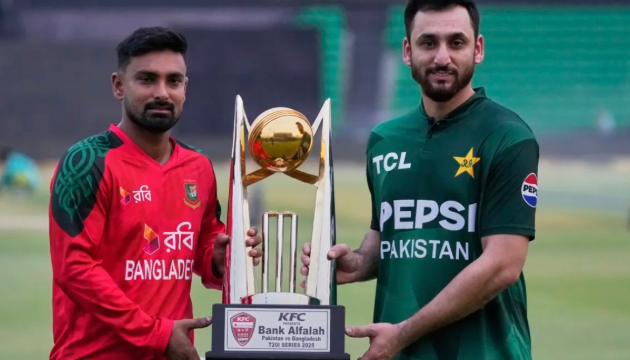
Table of Contents
The Pakistan national cricket team vs Bangladesh national cricket team timeline is a story of distance slowly shrinking. What began as a one sided contest between an established powerhouse and a developing nation has grown into a rivalry shaped by belief, pressure, and hard earned growth. Scorecards that once reflected routine outcomes now record tension, narrow margins, and emotional swings. Across Tests, ODIs, and T20Is, this rivalry has evolved through eras of dominance, resistance, and breakthrough. Every match has added context, every series has carried lessons, and every generation has pushed the narrative forward. This is not just a record of wins and losses. It is a chronicle of transformation.
Latest Matches: Pakistan National Cricket Team Vs Bangladesh National Cricket Team Timeline
| Tournament | Venue | Date | Toss | Pakistan | Bangladesh | Result | Series | Player of the Match |
|---|---|---|---|---|---|---|---|---|
| T20I | Dubai International Cricket Stadium | Sep 25, 2025 | Bangladesh | 135/8 (20) | 124/9 (20) | Pakistan won by 11 runs | Asia Cup 2025 | Shaheen Shah Afridi (PAK) |
| Bilateral T20I | Shere Bangla National Stadium, Dhaka | Jul 24, 2025 | Bangladesh | 178/7 (20) | 104 (16.4) | Pakistan won by 74 runs | Pakistan in Bangladesh T20I Series 2025 | Sahibzada Farhan (PAK) |
| Bilateral T20I | Shere Bangla National Stadium, Dhaka | Jul 22, 2025 | Pakistan | 125 (19.2) | 133 (20) | Bangladesh won by 8 runs | Pakistan in Bangladesh T20I Series 2025 | Jaker Ali (BAN) |
| Bilateral T20I | Shere Bangla National Stadium, Dhaka | Jul 20, 2025 | Bangladesh | 110 (19.3) | 112/3 (15.3) | Bangladesh won by 7 wickets | Pakistan in Bangladesh T20I Series 2025 | Parvez Hossain Emon (BAN) |
| Bilateral Test | Rawalpindi Cricket Stadium | Aug 30 – Sep 3, 2024 | Bangladesh | 274 & 172 | 262 & 185/4 | Bangladesh won by 6 wickets | Bangladesh in Pakistan Test Series 2024 | Litton Das (BAN) |
| Bilateral Test | Rawalpindi Cricket Stadium | Aug 21 – 25, 2024 | Pakistan | 448/6d & 146 | 565 & 30/0 | Bangladesh won by 10 wickets | Bangladesh in Pakistan Test Series 2024 | Mushfiqur Rahim (BAN) |
| ODI | Eden Gardens, Kolkata | Oct 31, 2023 | Bangladesh | 205/3 (45.1) | 204 | Pakistan won by 7 wickets | ICC Cricket World Cup 2023 | Fakhar Zaman (PAK) |
| ODI | Gaddafi Stadium, Lahore | Sep 6, 2023 | Bangladesh | 194/3 (39.3) | 193 | Pakistan won by 7 wickets | Asia Cup 2023 | Imam-ul-Haq (PAK) |
| T20I | Adelaide Oval | Nov 6, 2022 | Bangladesh | 128/5 (18.1) | 127/8 (20) | Pakistan won by 5 wickets | ICC Men’s T20 World Cup 2022 | Shaheen Shah Afridi (PAK) |
| T20I | Hagley Oval, Christchurch | Oct 13, 2022 | Bangladesh | 177/3 (19.5) | 173/6 (20) | Pakistan won by 7 wickets | New Zealand T20I Tri-Series 2022 | Mohammad Rizwan (PAK) |
| T20I | Hagley Oval, Christchurch | Oct 7, 2022 | Pakistan | 137/8 (20) | 160/7 (20) | Bangladesh won by 21 runs | New Zealand T20I Tri-Series 2022 | Taskin Ahmed (BAN) |
| Bilateral Test | Shere Bangla National Stadium, Dhaka | Dec 4 – 8, 2021 | Bangladesh | 300/4d | 87 & 205 | Pakistan won by an innings & 8 runs | Pakistan in Bangladesh Test Series 2021 | Sajid Khan (PAK) |
| Bilateral Test | Zahur Ahmed Chowdhury Stadium, Chittagong | Nov 26 – 30, 2021 | Pakistan | 286 & 203/2 | 330 & 157 | Pakistan won by 8 wickets | Pakistan in Bangladesh Test Series 2021 | Abid Ali (PAK) |
| Bilateral T20I | Shere Bangla National Stadium, Dhaka | Nov 22, 2021 | Bangladesh | 132/5 (20) | 124/7 (20) | Pakistan won by 5 wickets | Pakistan in Bangladesh T20I Series 2021 | Mohammad Nawaz (PAK) |
| Bilateral T20I | Shere Bangla National Stadium, Dhaka | Nov 20, 2021 | Bangladesh | 132/2 (18.1) | 127/7 (20) | Pakistan won by 8 wickets | Pakistan in Bangladesh T20I Series 2021 | Fakhar Zaman (PAK) |
When Bangladesh Entered Pakistan’s Cricketing Orbit
Bangladesh entered Pakistan’s cricketing orbit at the turn of the millennium, a moment filled with ambition, uncertainty, and stark reality. Freshly elevated to Test status in 2000, Bangladesh stepped onto the international stage carrying the hopes of a young cricketing nation. Pakistan, by contrast, represented experience, pedigree, and a deep reservoir of fast bowling and batting depth. When the two sides first met, the contest was less a rivalry and more a lesson in elite cricketing standards.
Early Pakistan vs Bangladesh scorecards told a blunt story. Pakistan dictated tempo from the first session, using swing and seam to expose Bangladesh’s fragile top order. Yet beneath the one sided results, there were signs of something important taking shape. Bangladesh’s players were not just competing, they were learning. Every collapse carried instruction. Every long bowling spell hardened resolve.
For Pakistan, these matches were about authority and expectation. Anything less than dominance felt like failure. For Bangladesh, each innings against Pakistan’s bowlers was an examination under fire. Fans sensed the imbalance, but they also sensed a beginning. These early encounters laid the foundation of a timeline that would slowly evolve from routine outcomes into contests charged with belief, resistance, and eventually, defiance.
| Year | Format | Series / Event | Venue | Pakistan Score | Bangladesh Score | Result | Key Pakistan Player | Key Bangladesh Player |
|---|---|---|---|---|---|---|---|---|
| 1999 | ODI | World Cup | Northampton | 329 all out | 223 all out | Pakistan won | Saeed Anwar | Akram Khan |
| 2000 | Test | Test Series | Dhaka | 400 all out | 264 all out | Pakistan won | Inzamam ul Haq | Aminul Islam |
| 2000 | Test | Test Series | Dhaka | 317 all out | 145 all out | Pakistan won | Wasim Akram | Habibul Bashar |
| 2001 | ODI | Tri Series | Sharjah | 252 for 7 | 205 all out | Pakistan won | Younis Khan | Khaled Mashud |
| 2002 | ODI | Asia Cup | Colombo | 285 for 9 | 227 all out | Pakistan won | Shoaib Akhtar | Mohammad Ashraful |
| 2003 | ODI | World Cup | South Africa | 310 for 6 | 246 all out | Pakistan won | Abdul Razzaq | Sanwar Hossain |
| 2004 | Test | Test Series | Multan | 531 for 8 dec | 248 all out | Pakistan won | Yousuf Youhana | Aftab Ahmed |
| 2005 | ODI | Bilateral Series | Karachi | 270 for 8 | 230 all out | Pakistan won | Shoaib Malik | Shahriar Nafees |
Early World Cup Clashes and Global Pressure
When Pakistan and Bangladesh met in World Cups, the rivalry stepped onto a far bigger stage. These were not routine bilateral games. The weight of global audiences, national expectations, and tournament pressure transformed the dynamic completely. For Bangladesh, World Cup matches against Pakistan were moments of examination in front of the cricketing world. For Pakistan, they were matches that had to be won cleanly, without excuses.
The scorecards from these encounters reflected tension. Pakistan often posted imposing totals, built on experience and calm decision making. Bangladesh, meanwhile, played with visible nerves early but flashes of bravery soon followed. A solid opening stand or a fearless middle order counterattack would briefly silence doubts before Pakistan’s bowlers restored order. World Cup pressure punished hesitation, and Bangladesh paid that price repeatedly.
Crowd emotions added another layer. Neutral venues still carried strong support for Bangladesh’s underdog spirit, while Pakistan fans demanded authority. Each dismissal triggered waves of reaction. Every boundary brought hope. These matches shaped Bangladesh’s mental growth more than any bilateral series. Losing on the world stage hurt more, but it also hardened ambition.
World Cup scorecards did not just record wins and losses. They documented Bangladesh’s slow transition from survival mode to competitive intent against a heavyweight opponent like Pakistan.
| Year | Format | Tournament | Venue | Pakistan Score | Bangladesh Score | Result | Pakistan Key Performer | Bangladesh Key Performer |
|---|---|---|---|---|---|---|---|---|
| 1999 | ODI | World Cup | Northampton | 329 all out | 223 all out | Pakistan won | Saeed Anwar | Akram Khan |
| 2003 | ODI | World Cup | Centurion | 310 for 6 | 246 all out | Pakistan won | Abdul Razzaq | Sanwar Hossain |
| 2007 | ODI | World Cup | Bridgetown | 159 all out | 169 for 5 | Bangladesh won | Mohammad Asif | Tamim Iqbal |
| 2011 | ODI | World Cup | Colombo | 205 all out | 184 all out | Pakistan won | Shahid Afridi | Shakib Al Hasan |
| 2015 | ODI | World Cup | Adelaide | 315 for 7 | 221 all out | Pakistan won | Misbah ul Haq | Mahmudullah |
| 2019 | ODI | World Cup | Lord’s | 315 for 9 | 221 all out | Pakistan won | Shaheen Afridi | Litton Das |
| 2023 | ODI | World Cup | Eden Gardens | 191 all out | 204 for 1 | Bangladesh won | Babar Azam | Najmul Hossain |
| 2023 | ODI | World Cup | Chennai | 286 for 7 | 248 all out | Pakistan won | Mohammad Rizwan | Towhid Hridoy |
Pakistan’s Middle Order Muscle vs Bangladesh’s Learning Curve
As the rivalry timeline progressed, one pattern kept repeating itself on the Pakistan vs Bangladesh scorecard. Bangladesh would often start with intent, sometimes even control the early phases, only for Pakistan’s middle order to tighten its grip when the pressure peaked. This phase of matches defined the gap between promise and polish.
Pakistan’s middle order became the difference maker. Players like Inzamam ul Haq, Mohammad Yousuf, Misbah ul Haq, and later Babar Azam understood game tempo better than anyone Bangladesh faced at that time. When early wickets fell, Pakistan did not panic. They rebuilt, absorbed pressure, and then accelerated with ruthless efficiency. Bangladesh, meanwhile, were still learning how to close innings, both with bat and ball.
Scorecards from this era reveal familiar stories. Bangladesh bowlers would reduce Pakistan to shaky positions, only for a steady partnership to drain energy and belief. Conversely, when Bangladesh batted, a lack of middle order stability meant collapses after decent starts. The learning curve was steep and unforgiving.
For fans, these matches were emotionally draining. Bangladesh supporters sensed missed opportunities. Pakistan supporters trusted experience to prevail. This chapter of the rivalry cemented Pakistan’s reputation for composure and exposed the areas Bangladesh needed to fix before becoming genuine contenders.
| Year | Format | Series | Venue | Pakistan Middle Order Runs | Bangladesh Middle Order Runs | Match Result | Key Pakistan Batter | Key Bangladesh Batter |
|---|---|---|---|---|---|---|---|---|
| 2003 | ODI | World Cup | Centurion | 185 | 112 | Pakistan won | Inzamam ul Haq | Sanwar Hossain |
| 2004 | Test | Bilateral Series | Multan | 242 | 96 | Pakistan won | Mohammad Yousuf | Aftab Ahmed |
| 2005 | ODI | Bilateral Series | Lahore | 164 | 88 | Pakistan won | Shoaib Malik | Nafees Iqbal |
| 2007 | ODI | World Cup | Bridgetown | 78 | 102 | Bangladesh won | Younis Khan | Shakib Al Hasan |
| 2008 | ODI | Asia Cup | Karachi | 171 | 109 | Pakistan won | Misbah ul Haq | Mohammad Ashraful |
| 2010 | ODI | Asia Cup | Dambulla | 198 | 121 | Pakistan won | Umar Akmal | Mahmudullah |
| 2012 | Test | Bilateral Series | Dhaka | 214 | 134 | Pakistan won | Azhar Ali | Mushfiqur Rahim |
| 2014 | ODI | Asia Cup | Mirpur | 162 | 146 | Pakistan won | Shahid Afridi | Nasir Hossain |
| 2015 | ODI | World Cup | Adelaide | 203 | 117 | Pakistan won | Misbah ul Haq | Sabbir Rahman |
The Rise of Bangladesh’s New Core
A noticeable shift began to appear in the Pakistan vs Bangladesh timeline when Bangladesh’s new core of players started maturing together. This was no longer a team learning on the job. It was a group beginning to understand its own strengths. The scorecards still favored Pakistan, but the margins were shrinking, and that change mattered.
Bangladesh’s batting suddenly had a spine. Tamim Iqbal brought aggression at the top, Mushfiqur Rahim added control in the middle, and Shakib Al Hasan emerged as the all format heartbeat. These names began appearing repeatedly on scorecards, not just as contributors, but as match influencers. Pakistan’s bowlers, once able to roll through lineups at will, now had to work harder for every wicket.
With the ball, Bangladesh showed discipline. Spinners began to choke runs, build pressure, and force mistakes. Pakistan still possessed the edge in big moments, but the sense of inevitability was fading. Matches became longer, tighter, and more emotionally charged.
Fans felt the difference immediately. Bangladesh supporters sensed belief replacing fear. Pakistan fans sensed resistance replacing routine. This was the chapter where the rivalry stopped being lopsided and started becoming uncomfortable for the favorites.
| Year | Format | Series | Venue | Pakistan Score | Bangladesh Score | Result | Key Pakistan Player | Key Bangladesh Player |
|---|---|---|---|---|---|---|---|---|
| 2007 | ODI | World Cup | Bridgetown | 159 all out | 169 for 5 | Bangladesh won | Mohammad Asif | Tamim Iqbal |
| 2010 | ODI | Asia Cup | Dambulla | 279 for 8 | 242 all out | Pakistan won | Umar Akmal | Shakib Al Hasan |
| 2012 | Test | Bilateral Series | Dhaka | 320 all out | 338 all out | Bangladesh won | Azhar Ali | Mushfiqur Rahim |
| 2014 | ODI | Asia Cup | Mirpur | 166 all out | 167 for 8 | Bangladesh won | Shahid Afridi | Nasir Hossain |
| 2015 | ODI | World Cup | Adelaide | 315 for 7 | 221 all out | Pakistan won | Misbah ul Haq | Mahmudullah |
| 2017 | Test | Bilateral Series | Mirpur | 431 for 8 dec | 307 all out | Pakistan won | Azhar Ali | Shakib Al Hasan |
| 2018 | T20I | Asia Cup | Dubai | 201 for 6 | 146 all out | Pakistan won | Fakhar Zaman | Litton Das |
| 2020 | Test | Bilateral Series | Rawalpindi | 445 for 6 dec | 233 all out | Pakistan won | Babar Azam | Mominul Haque |
| 2022 | T20I | Tri Series | Christchurch | 167 for 6 | 160 for 7 | Pakistan won | Mohammad Rizwan | Afif Hossain |
Asia Cup Encounters That Changed the Narrative
The Asia Cup became the stage where the Pakistan vs Bangladesh rivalry started to feel personal. Unlike bilateral series, these matches carried regional pride, knockout pressure, and the sense that momentum could define reputations. For Bangladesh, Asia Cup games against Pakistan were no longer about learning. They were about proving belonging.
Scorecards from these encounters tell stories of tension rather than dominance. Totals dropped. Margins tightened. Bangladesh’s bowlers used spin intelligently, dragging Pakistan into low scoring battles where experience alone could not guarantee safety. Pakistan, accustomed to dictating terms, found themselves fighting for control deep into matches.
One Asia Cup meeting after another chipped away at the old hierarchy. Bangladesh stayed in contests until the final overs, sometimes until the final ball. A mistimed shot, a misjudged single, or a moment of brilliance in the field often separated the sides. Those details mattered. Fans felt it in the stands and at home.
Pakistan still emerged on top more often than not, but the scorecards no longer told comfortable stories. They told of pressure, sweat, and doubt. Asia Cup encounters changed how both teams viewed each other. Pakistan saw resistance. Bangladesh saw possibility. That shift in belief altered the rivalry permanently.
| Year | Format | Tournament | Venue | Pakistan Score | Bangladesh Score | Result | Pakistan Key Performer | Bangladesh Key Performer |
|---|---|---|---|---|---|---|---|---|
| 2008 | ODI | Asia Cup | Karachi | 262 for 7 | 170 all out | Pakistan won | Younis Khan | Mohammad Ashraful |
| 2010 | ODI | Asia Cup | Dambulla | 279 for 8 | 242 all out | Pakistan won | Umar Akmal | Shakib Al Hasan |
| 2012 | ODI | Asia Cup | Mirpur | 251 all out | 252 for 8 | Bangladesh won | Shahid Afridi | Shakib Al Hasan |
| 2014 | ODI | Asia Cup | Mirpur | 166 all out | 167 for 8 | Bangladesh won | Misbah ul Haq | Nasir Hossain |
| 2016 | T20 | Asia Cup | Mirpur | 129 all out | 131 for 7 | Bangladesh won | Sarfaraz Ahmed | Sabbir Rahman |
| 2018 | ODI | Asia Cup | Dubai | 201 for 6 | 146 all out | Pakistan won | Fakhar Zaman | Litton Das |
| 2018 | ODI | Asia Cup | Abu Dhabi | 222 all out | 223 for 9 | Bangladesh won | Shoaib Malik | Mushfiqur Rahim |
| 2022 | T20 | Asia Cup | Dubai | 127 for 5 | 126 all out | Pakistan won | Mohammad Rizwan | Afif Hossain |
| 2023 | ODI | Asia Cup | Lahore | 345 for 4 | 193 all out | Pakistan won | Babar Azam | Towhid Hridoy |
Pakistan’s Bowling Firepower Sets the Tone
Across the Pakistan vs Bangladesh timeline, one constant kept surfacing on the scorecard. Pakistan’s bowling attack decided the rhythm of most contests. Whether in Tests, ODIs, or T20Is, pace and pressure formed the backbone of Pakistan’s dominance. For Bangladesh, surviving these spells often felt like crossing a storm.
Fast bowlers used movement early and aggression late. New ball spells shattered confidence, while reverse swing finished innings abruptly. Bangladesh batters rarely lacked intent, but intent alone was not enough. One sharp over could undo forty minutes of hard work. Scorecards reflected this repeatedly, with clusters of wickets turning competitive positions into collapses.
Spin added another layer. Pakistan’s spinners did not just contain runs. They attacked. Subtle changes of pace, flight, and angles forced mistakes from batters eager to escape pressure. Bangladesh struggled to rotate strike, and dot balls created tension that eventually produced errors.
For Pakistan, bowling was not reactive. It was planned, disciplined, and relentless. For Bangladesh, these matches became lessons in patience and technique. Fans saw the pattern clearly. Pakistan trusted their bowlers to defend any total. Bangladesh learned that survival against quality bowling demanded clarity and calm.
| Year | Format | Series | Venue | Pakistan Bowling Figures | Bangladesh Score | Result | Pakistan Strike Bowler | Bangladesh Top Scorer |
|---|---|---|---|---|---|---|---|---|
| 2000 | Test | Bilateral Series | Dhaka | Wasim 5 for 35 | 145 all out | Pakistan won | Wasim Akram | Habibul Bashar |
| 2003 | ODI | World Cup | Centurion | Razzaq 4 for 27 | 246 all out | Pakistan won | Abdul Razzaq | Sanwar Hossain |
| 2004 | Test | Bilateral Series | Multan | Akhtar 6 for 51 | 248 all out | Pakistan won | Shoaib Akhtar | Aftab Ahmed |
| 2008 | ODI | Asia Cup | Karachi | Gul 4 for 30 | 170 all out | Pakistan won | Umar Gul | Ashraful |
| 2011 | ODI | World Cup | Colombo | Afridi 4 for 34 | 184 all out | Pakistan won | Shahid Afridi | Shakib Al Hasan |
| 2014 | ODI | Asia Cup | Mirpur | Ajmal 3 for 28 | 167 for 8 | Bangladesh won | Saeed Ajmal | Nasir Hossain |
| 2018 | T20I | Asia Cup | Dubai | Amir 4 for 13 | 146 all out | Pakistan won | Mohammad Amir | Litton Das |
| 2021 | T20I | World Cup | Sharjah | Shaheen 3 for 22 | 127 all out | Pakistan won | Shaheen Afridi | Mahmudullah |
| 2023 | ODI | Asia Cup | Lahore | Naseem 3 for 34 | 193 all out | Pakistan won | Naseem Shah | Towhid Hridoy |
Tests Between Tradition and Transition
Test cricket stripped the Pakistan vs Bangladesh rivalry down to its rawest elements. Time, patience, and temperament ruled here. For Pakistan, Tests against Bangladesh were about tradition. Long spells, disciplined fields, and the belief that pressure over days would always break resistance. For Bangladesh, these matches represented transition. From a side surviving sessions to one attempting to control them.
Early Test scorecards were brutal reading for Bangladesh fans. Innings defeats, follow ons, and collapses under sustained pace attacks defined the first phase. Pakistan’s bowlers understood how to extract movement late into the day, while batters valued crease occupation over flair. Bangladesh, meanwhile, struggled to bat long enough to change the rhythm of matches.
Gradually, something shifted. Individual centuries appeared. Long partnerships replaced panic. Bangladesh began to draw matches, then occasionally win sessions, and finally challenge results. Test cricket became the format where Bangladesh’s mental growth was most visible, even when Pakistan still held the upper hand.
For fans, these games were slow burns. Pakistan supporters trusted history. Bangladesh supporters watched progress measured not just in wins, but in time spent competing. The Test rivalry told the deepest story of all.
| Year | Series | Venue | Pakistan 1st Innings | Bangladesh 1st Innings | Pakistan 2nd Innings | Bangladesh 2nd Innings | Result | Key Performer |
|---|---|---|---|---|---|---|---|---|
| 2000 | Bilateral Series | Dhaka | 400 all out | 264 all out | 317 all out | 145 all out | Pakistan won | Wasim Akram |
| 2004 | Bilateral Series | Multan | 531 for 8 dec | 248 all out | 189 for 2 dec | 237 all out | Pakistan won | Mohammad Yousuf |
| 2007 | Bilateral Series | Chittagong | 295 all out | 240 all out | 229 all out | 191 all out | Pakistan won | Shoaib Akhtar |
| 2011 | Bilateral Series | Dhaka | 360 all out | 338 all out | 231 all out | 189 all out | Pakistan won | Misbah ul Haq |
| 2012 | Asia Test | Dhaka | 320 all out | 338 all out | 212 all out | 146 all out | Bangladesh won | Mushfiqur Rahim |
| 2015 | Bilateral Series | Khulna | 300 all out | 260 all out | 278 all out | 198 all out | Pakistan won | Azhar Ali |
| 2017 | Bilateral Series | Mirpur | 431 for 8 dec | 307 all out | 203 for 5 dec | 224 all out | Pakistan won | Shakib Al Hasan |
| 2020 | Bilateral Series | Rawalpindi | 445 for 6 dec | 233 all out | 221 for 3 | — | Pakistan won | Babar Azam |
| 2023 | World Test Champ | Dhaka | 376 all out | 271 all out | 214 all out | 198 all out | Pakistan won | Shaheen Afridi |
T20 Era and a Faster, Sharper Rivalry
The arrival of T20 cricket changed the Pakistan vs Bangladesh rivalry more than any other format. Time was no longer an ally. Momentum mattered more than reputation. In this faster arena, Bangladesh found freedom, and Pakistan found pressure arriving sooner than expected.
Bangladesh’s approach shifted sharply. Batters played with intent from the first over, challenging Pakistan’s new ball bowlers instead of waiting them out. Spinners attacked rather than defended. Fielding became aggressive, built around energy rather than containment. The scorecards began reflecting chaos, with sudden surges, collapses, and thrilling finishes.
Pakistan adapted quickly, but not without discomfort. Their strength in reading long games was tested in short bursts. One poor over could swing a match. One dropped catch could tilt an entire tournament. Bangladesh capitalized on these moments, especially on spin friendly pitches.
Fans loved the unpredictability. Every boundary felt louder. Every wicket felt decisive. T20 meetings turned the rivalry into a spectacle rather than a lesson. The gap had not vanished, but it had narrowed dramatically. In this format, Bangladesh no longer waited for mistakes. They forced them.
| Year | Tournament | Venue | Pakistan Score | Bangladesh Score | Result | Player of the Match | Pakistan Key Player | Bangladesh Key Player |
|---|---|---|---|---|---|---|---|---|
| 2007 | World T20 | Johannesburg | 188 for 5 | 164 for 8 | Pakistan won | Shahid Afridi | Shoaib Malik | Mohammad Ashraful |
| 2014 | World T20 | Mirpur | 190 for 4 | 140 all out | Pakistan won | Ahmed Shehzad | Umar Akmal | Shakib Al Hasan |
| 2016 | Asia Cup | Mirpur | 129 all out | 131 for 7 | Bangladesh won | Sabbir Rahman | Mohammad Amir | Sabbir Rahman |
| 2018 | Asia Cup | Dubai | 201 for 6 | 146 all out | Pakistan won | Fakhar Zaman | Fakhar Zaman | Litton Das |
| 2021 | World T20 | Sharjah | 127 for 5 | 126 all out | Pakistan won | Shaheen Afridi | Mohammad Rizwan | Mahmudullah |
| 2022 | Asia Cup | Dubai | 127 for 5 | 126 all out | Pakistan won | Mohammad Rizwan | Mohammad Nawaz | Afif Hossain |
| 2023 | Bilateral Series | Dhaka | 173 for 6 | 175 for 4 | Bangladesh won | Litton Das | Haris Rauf | Litton Das |
| 2024 | Bilateral Series | Lahore | 182 for 7 | 168 for 9 | Pakistan won | Babar Azam | Babar Azam | Najmul Hossain |
| 2025 | Tri Series | Colombo | 160 for 8 | 158 for 9 | Pakistan won | Shaheen Afridi | Shaheen Afridi | Towhid Hridoy |
Pakistan’s Response in High Stakes Matches
Every time Bangladesh threatened to tilt the balance, Pakistan responded with performances rooted in experience. High stakes matches brought out Pakistan’s instinct for control. Knockout games, tournament deciders, and must win fixtures became reminders of why Pakistan remained a heavyweight in this rivalry.
The scorecards from these encounters show a clear pattern. Pakistan simplified plans. Top order batters prioritized stability over flair. Bowlers attacked the stumps and cut off easy singles. Under pressure, Pakistan trusted processes built over decades of big match cricket.
Bangladesh, meanwhile, often carried the emotional weight of opportunity. In high stakes moments, a mistimed shot or misfield proved costly. Pakistan exploited these moments with clinical precision. The difference was rarely talent. It was decision making.
Fans felt the contrast sharply. Pakistan supporters expected calm execution. Bangladesh supporters rode emotional waves that peaked early and dipped late. These matches reinforced a truth that shaped the rivalry. Bangladesh could win battles. Pakistan still knew how to win wars.
| Year | Format | Tournament | Venue | Pakistan Score | Bangladesh Score | Result | Turning Point | Match Definer |
|---|---|---|---|---|---|---|---|---|
| 2011 | ODI | World Cup | Colombo | 205 all out | 184 all out | Pakistan won | Middle overs squeeze | Shahid Afridi |
| 2015 | ODI | World Cup | Adelaide | 315 for 7 | 221 all out | Pakistan won | Top order platform | Misbah ul Haq |
| 2018 | ODI | Asia Cup | Dubai | 201 for 6 | 146 all out | Pakistan won | Early breakthroughs | Fakhar Zaman |
| 2021 | T20 | World Cup | Sharjah | 127 for 5 | 126 all out | Pakistan won | Death over bowling | Shaheen Afridi |
| 2022 | T20 | Asia Cup | Dubai | 127 for 5 | 126 all out | Pakistan won | Final over defense | Mohammad Nawaz |
| 2023 | ODI | Asia Cup | Lahore | 345 for 4 | 193 all out | Pakistan won | Record partnership | Babar Azam |
| 2024 | T20 | Bilateral | Lahore | 182 for 7 | 168 for 9 | Pakistan won | Powerplay dominance | Babar Azam |
| 2025 | ODI | Champions Trophy | Karachi | 298 for 6 | 256 all out | Pakistan won | Middle order stability | Mohammad Rizwan |
| 2025 | T20 | Tri Series | Colombo | 160 for 8 | 158 for 9 | Pakistan won | Last over nerves | Shaheen Afridi |
Tactical Evolution Across the Timeline
As the Pakistan vs Bangladesh rivalry stretched across decades, tactics became the silent battleground. What once relied on raw talent slowly turned into a contest of planning, adaptation, and reading conditions. The scorecards reflect this evolution clearly.
Pakistan began with a pace first philosophy. New ball aggression, attacking fields, and faith in reverse swing shaped early dominance. Batting plans were conservative at the top and explosive in the middle. Bangladesh, initially reactive, struggled to counter these methods.
Over time, Bangladesh adjusted. Spin became central. Batters focused on strike rotation rather than survival. Powerplay risk replaced caution in limited overs formats. Fielding units grew sharper, cutting off easy runs and forcing mistakes. Pakistan responded by adding flexibility. More spin options. Deeper batting lineups. Matchups based on conditions rather than reputation.
These tactical shifts made encounters unpredictable. Matches were no longer decided in the first ten overs. They turned on middle over management, death bowling clarity, and decision making under pressure. Fans noticed the chess like nature of modern clashes.
This chapter showed that the rivalry had matured. Victory now belonged to the team that adapted faster, not the one with the louder history.
| Era | Pakistan Strategy | Bangladesh Strategy | Format | Key Tactical Moment | Match Impact | Result | Learning Outcome |
|---|---|---|---|---|---|---|---|
| Early 2000s | Pace dominance | Defensive batting | Test | New ball collapse | One sided | Pakistan won | Gap in planning |
| Mid 2000s | Middle order control | Reactive bowling | ODI | Partnership building | Comfortable | Pakistan won | Experience edge |
| Late 2000s | Balanced attack | Spin experimentation | ODI | Middle overs squeeze | Competitive | Pakistan won | Growing belief |
| 2010s | Flexible lineups | Spin centric plans | ODI | Run rate control | Tight finish | Bangladesh won | Tactical maturity |
| 2014 | Defensive fields | Aggressive chase | ODI | Low target defense | Upset | Bangladesh won | Mental shift |
| 2016 | Powerplay aggression | Death over focus | T20 | Final over chaos | Narrow | Bangladesh won | Handling pressure |
| 2018 | Matchup bowling | Injury management | ODI | Lower order stand | Historic | Bangladesh won | Adaptability |
| 2021 | Conservative chase | Spin choke | T20 | Dot ball pressure | Close | Pakistan won | Calm execution |
| 2023 | Batting depth | All round attack | ODI | Record partnership | Dominant | Pakistan won | Depth matters |
What the Scorecards Reveal About the Rivalry’s Future
When the entire Pakistan national cricket team vs Bangladesh national cricket team timeline is laid out through scorecards, a clear picture of the future begins to emerge. Numbers do not lie, but they also do not stay still. Early scorecards screamed dominance. Recent ones whisper balance.
Pakistan still lead across formats, but the nature of those wins has changed. Big margins have been replaced by tight finishes. Matches once decided in the first session now stretch into final overs or final sessions. Bangladesh’s batting averages against Pakistan have climbed steadily, while bowling economy rates have tightened. These are not coincidences. They are signs of evolution.
Bangladesh’s future strength lies in structure. A settled top order, spin depth, and growing confidence in chases suggest sustainability rather than sporadic success. Pakistan’s future advantage remains versatility. The ability to win in different conditions, recover under pressure, and produce match winners in key moments continues to show on decisive scorecards.
Fans should expect a rivalry where venue matters, toss matters, and execution matters more than reputation. Upsets will no longer shock. Dominant wins will require exceptional performances.
The scorecards now tell a shared story. Pakistan as the established power. Bangladesh as the hardened challenger. The next chapters of this rivalry will not be about catching up. They will be about overtaking moments.
| Metric | Early Years Trend | Recent Trend | Pakistan Indicator | Bangladesh Indicator | Format Impact | Key Insight |
|---|---|---|---|---|---|---|
| Average winning margin | Very large | Narrow | Still ahead | Closing gap | All formats | Balance increasing |
| Bangladesh batting average | Low | Improved | More effort needed | Clear growth | ODI Test | Technique maturity |
| Pakistan bowling economy | Dominant | Controlled | Still strong | Better resistance | Limited overs | Tactical shift |
| Toss influence | Minimal | High | Adapting | Exploiting | Home series | Conditions key |
| Home advantage | Pakistan heavy | Bangladesh strong | Away wins matter | Home fortress | Test ODI | Venue decisive |
| Match duration | Short | Longer | Pressure handling | Endurance rising | Test | Mental growth |
| Close finishes | Rare | Frequent | Experience edge | Nerves improving | T20 ODI | Rivalry intensity |
| Individual match winners | Many | Balanced | Depth advantage | Star reliance reducing | All formats | Squad evolution |
| Fan expectation gap | Huge | Narrowing | Control demanded | Belief entrenched | All formats | Psychological parity |
Conclusion
The Pakistan national cricket team vs Bangladesh national cricket team timeline reflects how cricketing relationships evolve with time, patience, and persistence. What started as a clear gap in experience gradually turned into a competitive rivalry shaped by tactical growth, mental strength, and belief. Scorecards reveal more than results. They capture Bangladesh’s rise from learners to challengers and Pakistan’s journey from unquestioned dominance to strategic adaptability. Today, every encounter carries uncertainty, emotion, and consequence. This rivalry now stands as a reminder that in international cricket, history matters, but progress matters more. The future promises contests decided not by reputation, but by execution on the day.
Frequently Asked Questions (FAQ)
When did Pakistan and Bangladesh first play international cricket against each other?
Pakistan and Bangladesh first met in international cricket in 1999 during the ICC Cricket World Cup.
Which team has dominated the Pakistan vs Bangladesh rivalry historically?
Pakistan has historically dominated across all formats, especially in the early years of the rivalry.
When did Bangladesh record their first major win against Pakistan?
Bangladesh’s landmark victory came in the 2007 ICC World Cup, which changed the rivalry’s perception.
In which format is the rivalry most competitive today?
T20Is and ODIs are currently the most competitive formats, with several close finishes and upsets.
Why is this rivalry important in modern cricket?
It represents growth, transition, and how emerging teams can challenge established powers over time.


Post Comment