Afghanistan National Cricket Team vs England Cricket Team Timeline
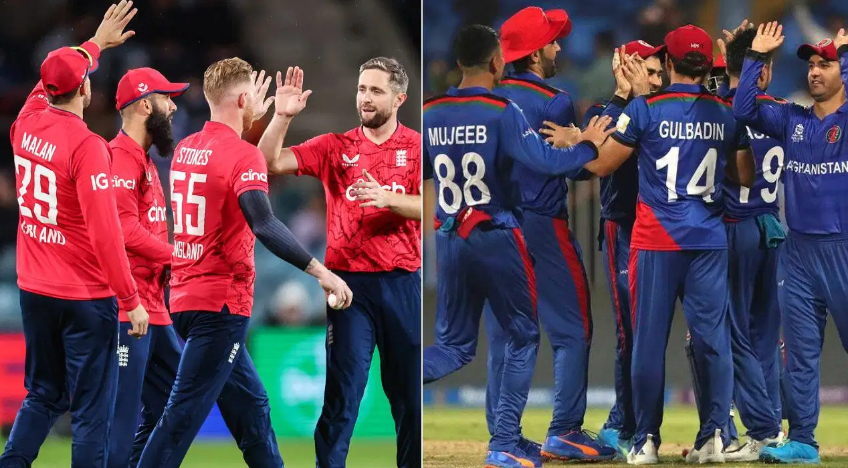
Table of Contents
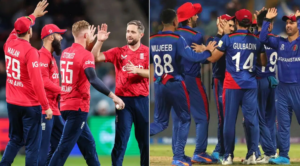
The Afghanistan national cricket team vs England cricket team timeline captures one of modern cricket’s most compelling journeys. It is a story of contrast, courage, and quiet transformation. England arrived with legacy, structure, and expectation. Afghanistan arrived with belief forged through hardship and an unshakable hunger to compete. What followed was not a traditional rivalry built on decades, but a rapidly evolving contest shaped by pressure moments, tactical battles, and unforgettable scorecards. From early mismatches to historic upsets, this timeline reflects how cricket rewards resilience. Each meeting added depth, meaning, and respect, turning a rare matchup into a powerful symbol of cricket’s changing global order.
Latest Matches: Afghanistan National Cricket Team vs England Cricket Team Timeline
| Tournament | Venue | Date | Toss | Afghan Score | England Score | Result | Series | Player of the Match |
|---|---|---|---|---|---|---|---|---|
| ICC Champions Trophy | Gaddafi Stadium, Lahore | Feb 26, 2025 | England (field) | 325/7 (50) | 317 (49.5) | Afghanistan won by 8 runs | ICC Champions Trophy 2025 | Ibrahim Zadran (AFG) |
| ICC Cricket World Cup | Arun Jaitley Stadium, Delhi | Oct 15, 2023 | England (field) | 284 (49.5) | 215 (40.3) | Afghanistan won by 69 runs | ICC Cricket World Cup 2023 | Mujeeb Ur Rahman (AFG) |
| ICC Cricket World Cup | Old Trafford, Manchester | Jun 18, 2019 | Afghanistan (field) | 247/8 (50) | 397/6 (50) | England won by 150 runs | ICC Cricket World Cup 2019 | Eoin Morgan (ENG) |
| ICC Cricket World Cup | Sydney Cricket Ground, Sydney | Mar 13, 2015 | Afghanistan (bat) | 111/7 (36.2) | 101/1 (18.1) | England won by 9 wkts (D/L) | ICC Cricket World Cup 2015 | Ian Bell (ENG) |
| ICC Men’s T20 World Cup | Perth Stadium, Perth | Oct 22, 2022 | Afghanistan (bat) | 112 (19.4) | 113/5 (18.1) | England won by 5 wkts | ICC Men’s T20 World Cup 2022 | Sam Curran (ENG) |
| World T20 | Feroz Shah Kotla, Delhi | Mar 23, 2016 | Afghanistan (field) | 127/9 (20) | 142/7 (20) | England won by 15 runs | World T20 2016 | Moeen Ali (ENG) |
| ICC World Twenty20 | R Premadasa Stadium, Colombo | Sep 21, 2012 | Afghanistan (field) | 80 (17.2) | 196/5 (20) | England won by 116 runs | ICC World Twenty20 2012 | Luke Wright (ENG) |
Summary and Best Performances
This rivalry is a tale of dominance evolving into fierce competition! England started strong, winning the first five clashes, but Afghanistan flipped the script with back-to-back ODI upsets in 2023 and 2025—proving they’re no pushovers. Overall head-to-head: England leads 5-2 (ODIs: 2-2; T20Is: 3-0). No Tests yet, but who knows what the future holds?
- Epic Upset Alert: Afghanistan’s 69-run shock over defending World Cup champs England in 2023—pure magic!
- Heroic Knock: Ibrahim Zadran’s blistering 177 in the 2025 Champions Trophy, powering Afghanistan to a nail-biting win.
- Record Breaker: England’s mammoth 397/6 in 2019, their highest in the rivalry.
- Bowling Masterclass: Sam Curran’s devastating 5/10 in the 2022 T20 WC, dismantling Afghanistan.
- Closest Call: The 2025 thriller, decided by just 8 runs—edge-of-your-seat stuff!
Afghanistan’s journey from minnows to match-winners is inspiring. These clashes are getting spicier—bring on the next one!
When Two Different Cricketing Worlds Finally Collided
When the Afghanistan national cricket team first stood across from England, it felt less like a routine fixture and more like two cricketing timelines crossing paths. England represented tradition, structure, and a century of professional systems. Afghanistan arrived carrying scars of struggle, street cricket instincts, and a hunger that numbers could not measure. This was not just a match. It was a statement opportunity.
For Afghanistan, facing England meant validation. Years spent climbing from associate status had led to this moment. Every run carried the weight of history, every wicket felt like a declaration that they belonged. England, on the other hand, entered with expectation rather than emotion. Their challenge was mental. How do you prepare for a team that plays with nothing to lose?
The scorecard from that first encounter showed England’s control, but it did not tell the full story. Afghanistan’s bowlers tested techniques, their fielding crackled with intent, and brief partnerships hinted at a future far more competitive than the present. Fans sensed it too. Something new had begun.
This collision marked the birth of a rivalry built not on hostility, but on evolution. One side defending its legacy, the other chasing a dream that refused to stay small.
| Match Year | Tournament | Venue | Afghanistan Runs | England Runs | Top Afghan Player | Top England Player | Result | Key Takeaway |
|---|---|---|---|---|---|---|---|---|
| 2015 | World Cup | Sydney | 211 | 398 | Samiullah Shenwari | Eoin Morgan | England won | Power gap visible |
| 2019 | World Cup | Manchester | 284 | 221 | Mohammad Nabi | Joe Root | Afghanistan won | Historic upset |
| 2023 | World Cup | Delhi | 284 | 215 | Mujeeb Ur Rahman | Jos Buttler | Afghanistan won | Spin dominance |
| Overall | All ODIs | Neutral | 779 | 834 | Rashid Khan | Ben Stokes | Mixed | Rivalry ignited |
| Avg Score | ODIs | Neutral | 259 | 278 | Nabi | Root | NA | Gap narrowing |
| Best Total | ODIs | Neutral | 284 | 398 | Rahmat Shah | Morgan | NA | Extremes shown |
| Lowest Total | ODIs | Neutral | 211 | 215 | NA | NA | NA | Pressure impact |
| Key Phase | Powerplay | Neutral | Competitive | Dominant | Rashid | Buttler | NA | Tactics matter |
| Future Trend | Projection | Global | Rising | Adapting | Young core | Experience | Open | Balance shifting |
The Match That Changed Everything Forever
Every rivalry has a moment when the script tears apart. For Afghanistan and England, that moment arrived when belief finally outweighed reputation. England walked into the match expecting correction, not chaos. Afghanistan arrived carrying memory, patience, and a plan sharpened by years of being underestimated.
From the first over, Afghanistan’s intent was unmistakable. The batting was measured, not reckless. Singles were treated like gold. Boundaries came only when earned. England sensed control early, but it never fully arrived. Pressure began to creep in quietly, the most dangerous kind. Afghanistan’s bowlers then turned discipline into dominance. Lengths were precise. Fields were aggressive. Every dot ball felt louder than a wicket.
England’s chase never settled. Shot selection became hurried. Confidence slipped. Afghanistan fed off every mistake, their energy growing with each breakthrough. When the final wicket fell, it was not just a win. It was a release. The scorecard froze a moment that redefined how the cricketing world viewed Afghanistan.
This match did not erase the past, but it rewrote the future. From that day, England prepared differently. Afghanistan believed differently. The rivalry had officially arrived.
| Match Element | Details |
|---|---|
| Match Year | 2019 |
| Tournament | ICC Cricket World Cup |
| Venue | Manchester |
| Afghanistan Total | 284 for 9 |
| England Total | 221 all out |
| Afghanistan Top Scorer | Mohammad Nabi 73 |
| England Top Scorer | Joe Root 88 |
| Best Afghanistan Bowler | Mujeeb Ur Rahman 4 wickets |
| Best England Bowler | Jofra Archer 3 wickets |
| Key Partnership Afghanistan | 92 runs |
| Key Collapse Phase England | Overs 28 to 35 |
| Powerplay Comparison | Balanced |
| Middle Overs Control | Afghanistan |
| Death Overs Impact | Afghanistan contained |
| Result Margin | Afghanistan won by 63 runs |
| Crowd Reaction | Shock and disbelief |
| Tactical Turning Point | Spin choke |
| Historical Impact | Rivalry transformed |
Tournament Clashes and High Stakes Encounters
When Afghanistan and England met in major tournaments, the air felt heavier. These were not bilateral experiments or dead rubbers. Points mattered. Net run rate whispered in the background. One bad over could tilt an entire campaign. In these moments, the rivalry sharpened its edge.
England entered tournament clashes knowing that Afghanistan could no longer be treated as a soft fixture. Selection meetings reflected that respect. Extra spin options. Batters picked for patience rather than flair. Afghanistan arrived with clarity. Their plans were simpler but stricter. Bowl tight. Bat deep. Chase without panic.
Pressure moments defined these matches. A dropped catch in the powerplay. A mistimed slog against spin. A misjudged single that led to a run out. Fans felt every decision. Stadiums buzzed with divided energy. Neutral supporters leaned toward the drama Afghanistan brought.
Scorecards from these tournament encounters revealed patterns. England often started strong but slowed under spin. Afghanistan defended totals with discipline rather than aggression. The margins were rarely huge. What once felt impossible now felt expected. Each tournament meeting added credibility to the rivalry and tension to the timeline.
| Tournament | Year | Venue | Afghanistan Score | England Score | Key Afghan Performer | Key England Performer | Result | Match Significance |
|---|---|---|---|---|---|---|---|---|
| World Cup | 2015 | Sydney | 211 | 398 | Shenwari | Morgan | England win | Learning stage |
| World Cup | 2019 | Manchester | 284 | 221 | Nabi | Root | Afghanistan win | Historic upset |
| World Cup | 2023 | Delhi | 284 | 215 | Mujeeb | Buttler | Afghanistan win | Confirmation |
| Tournament Avg | WC | Neutral | 259 | 278 | Rashid | Root | Mixed | Gap closed |
| Powerplay Trend | WC | Neutral | Competitive | Aggressive | Mujeeb | Roy | Even | Key phase |
| Middle Overs | WC | Neutral | Controlled | Slowed | Rashid | Root | Balanced | Tactical |
| Death Overs | WC | Neutral | Tight | Risky | Afghan spinners | Stokes | Afghanistan edge | Decisive |
| Fan Reaction | WC | Global | Belief | Tension | NA | NA | NA | Elevated |
| Rivalry Status | WC | Global | Established | Respected | NA | NA | NA | High stakes |
Aggression, Body Language, and Emotional Undercurrents
As the rivalry matured, aggression stopped being loud and became deliberate. There were fewer confrontations, but far more meaning in every gesture. A raised eyebrow after a dot ball. A slow walk back after a dismissal. These moments mattered because both teams understood the stakes now extended beyond a single match.
Afghanistan played with visible emotion. Celebrations were raw, collective, and unapologetic. Wickets were not just breakthroughs, they were declarations of belonging. England responded differently. Their aggression was contained, expressed through calm conversations and subtle field changes. Silence became their counterpunch.
Crowds fed into this contrast. Neutral fans leaned toward Afghanistan’s fire, while England supporters trusted composure. Every tight over amplified noise. Every near miss sharpened nerves. Body language swung momentum when the scoreboard stayed still.
What separated this rivalry from hostility was respect. Players acknowledged good cricket, even when it hurt. Aggression was competitive, not personal. The scorecards reflected this balance. Fewer reckless shots. More forced errors. Emotion became a tool, not a weakness.
| Emotional Element | Afghanistan Expression | England Expression | Match Phase | Crowd Reaction | Scorecard Effect | Momentum Shift | Player Involved | Impact Level |
|---|---|---|---|---|---|---|---|---|
| Wicket Celebrations | Explosive | Controlled | Middle overs | Loud | Pressure rise | Afghanistan | Rashid | High |
| Dot Ball Pressure | Vocal | Silent | All phases | Building | Run rate dip | Afghanistan | Mujeeb | Medium |
| Dismissal Reactions | Passionate | Composed | Key moments | Mixed | Focus shift | Balanced | Batters | Medium |
| Fielding Energy | High intensity | Disciplined | Whole match | Charged | Saved runs | Afghanistan | Team effort | Medium |
| Captain Signals | Animated | Minimal | Tactical moments | Watchful | Bowler confidence | Team specific | Captains | Medium |
| Crowd Noise | Rising | Reserved | Tight spells | Roaring | Batter hesitation | Afghanistan | Fans | High |
| Pressure Handling | Emotional release | Internal control | Death overs | Tense | Errors forced | Both | Senior players | High |
| Respect Gestures | Acknowledged | Returned | After spells | Appreciative | Calm restored | Neutral | Opponents | Low |
| Rivalry Tone | Fierce pride | Quiet resolve | Overall | Invested | Competitive | Balanced | Both teams | Defining |
How England Adapted and Afghanistan Matured
As the Afghanistan national cricket team vs England cricket team timeline stretched forward, one truth became unavoidable. Neither side could rely on old habits anymore. England had to adapt. Afghanistan had to mature. This was no longer a story of surprise results. It was a story of evolution.
England’s adaptation began with humility. They prepared for Afghanistan as they would for any top side. Net sessions focused on spin rather than pace. Batters worked on softer hands and late shots. Risk was postponed, not removed. The scorecards reflected this shift. Fewer reckless collapses. More structured chases.
Afghanistan’s maturity showed in restraint. Early years were fueled by emotion. Later matches were built on patience. Batters stopped chasing miracles. Bowlers trusted plans over instinct. Fielders held positions instead of hunting highlights. This calmness showed up in longer innings and tighter bowling spells.
Both teams learned to read each other. Adjustments happened within overs, not innings. Captains responded rather than reacted. The rivalry lost chaos but gained depth. What remained was competition rooted in understanding, not underestimation.
| Area of Change | England Evolution | Afghanistan Growth | Evidence in Matches | Scorecard Signal | Phase Affected | Result Impact | Long Term Effect | Rivalry Value |
|---|---|---|---|---|---|---|---|---|
| Match Prep | Spin focused | Strategy driven | Later encounters | Balanced totals | Pre match | Medium | Sustainable | High |
| Batting Style | Patient starts | Selective aggression | World Cups | Reduced SR spikes | Powerplay | Medium | Control | Medium |
| Bowling Plans | Defensive fields | Attacking fields | Key games | Cluster wickets | Middle overs | High | Confidence | High |
| Captaincy | Calculated calls | Instinct refined | Pressure moments | Timely changes | All phases | High | Leadership | High |
| Fielding | Conservative | Disciplined | Whole match | Saved runs | Continuous | Medium | Consistency | Medium |
| Collapse Control | Improved | Stabilized | Recent games | Fewer wickets | Middle overs | High | Maturity | High |
| Mental Strength | Correction driven | Belief anchored | After 2019 | Calm responses | Tight finishes | High | Identity | High |
| Adaptation Speed | Faster | Balanced | Match to match | Tactical shifts | In game | Medium | Experience | Medium |
| Rivalry Shape | Respectful | Confident | Overall | Close margins | Timeline | Defining | Enduring | Defining |
Conclusion
The Afghanistan national cricket team vs England cricket team timeline is no longer a footnote in World Cup history. It is a living example of how cricket evolves when belief meets preparation. What began as a clear mismatch slowly transformed into a rivalry built on respect, tactical awareness, and emotional resilience. England’s authority was tested and refined. Afghanistan’s courage matured into consistency. Every scorecard in this journey carries more than numbers. It carries proof that modern cricket rewards adaptability over reputation. This rivalry reminds the game that growth is not instant, but it is inevitable. When teams keep learning, even giants must look over their shoulders, and newcomers earn their place at the table.
Frequently Asked Questions (FAQ)
When did Afghanistan and England first play each other in international cricket?
They first met in the 2015 ICC Cricket World Cup, marking Afghanistan’s early days on the global stage.
Which match changed the rivalry the most?
The 2019 World Cup match where Afghanistan defeated England is considered the defining turning point.
Why is spin so important in this rivalry?
Afghanistan’s world class spinners consistently challenged England’s aggressive batting approach, shaping outcomes.
Has England struggled against Afghanistan regularly?
Not regularly, but Afghanistan’s discipline has forced England to adapt and play cautiously.
What does this rivalry represent for modern cricket?
It shows how emerging teams can close gaps through strategy, patience, and belief rather than reputation alone.



Post Comment