England Cricket Team vs Australian Men’s Cricket Team Timeline
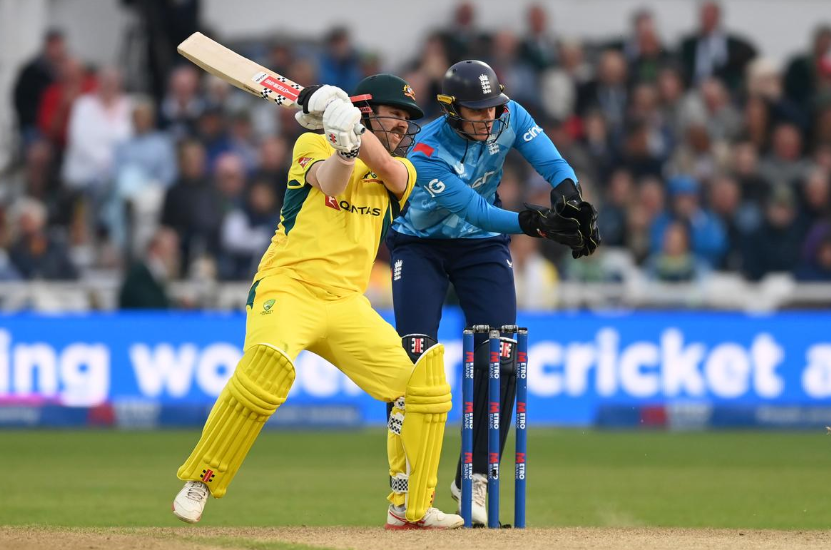
Table of Contents
The england cricket team vs australian men’s cricket team timeline is the beating heart of world cricket. No other rivalry carries such weight of history, pride, and emotion. What began as a colonial challenge in 1877 grew into a contest that reshaped the sport itself. Every era added intensity, from the birth of the Ashes to Bodyline, from miracles like Headingley to modern tactical warfare. These matches were never just about runs and wickets. They were about belief, pressure, and identity. Each scorecard tells a story of dominance, resistance, and renewal, making this rivalry cricket’s most enduring and unforgiving test.
Latest Matches: England Cricket Team vs Australian Men’s Cricket Team Timeline
| Tournament | Venue | Date | Toss | England Score | Australia Score | Result | Series | Player of the Match |
|---|---|---|---|---|---|---|---|---|
| Bilateral Test | Sydney Cricket Ground, Sydney | Jan 4-8, 2026 | England (bat) | 384 & 342 | 567 & 161/5 | Australia won by 5 wkts | The Ashes 2025/26 | Travis Head (AUS) |
| Bilateral Test | Melbourne Cricket Ground, Melbourne | Dec 26-27, 2025 | England (field) | 110 & 178/6 | 152 & 132 | England won by 4 wkts | The Ashes 2025/26 | Josh Tongue (ENG) |
| Bilateral Test | Adelaide Oval, Adelaide | Dec 17-21, 2025 | Australia (bat) | 286 & 352 | 371 & 349 | Australia won by 82 runs | The Ashes 2025/26 | Alex Carey (AUS) |
| Bilateral Test | Brisbane Cricket Ground, Woolloongabba, Brisbane | Dec 4-7, 2025 | England (bat) | 334 & 241 | 511 & 69/2 | Australia won by 8 wkts | The Ashes 2025/26 | Mitchell Starc (AUS) |
| Bilateral Test | Perth Stadium, Perth | Nov 21-22, 2025 | England (bat) | 172 & 164 | 132 & 205/2 | Australia won by 8 wkts | The Ashes 2025/26 | Mitchell Starc (AUS) |
| Bilateral ODI | Bristol | Sep 29, 2024 | Australia (field) | 309 | 165/2 (20.4/20.4 ov, T:117) | Australia won by 49 runs (DLS) | Australia tour of England 2024 | Travis Head (AUS) |
| Bilateral ODI | Lord’s, London | Sep 27, 2024 | Australia (field) | 312/5 (39 ov) | 126 (24.4 ov) | England won by 186 runs | Australia tour of England 2024 | Harry Brook (ENG) |
| Bilateral ODI | Riverside Ground, Chester-le-Street | Sep 24, 2024 | England (field) | 254/4 (37.4 ov, T:209) | 304/7 | England won by 46 runs (DLS) | Australia tour of England 2024 | Harry Brook (ENG) |
| Bilateral ODI | Leeds | Sep 21, 2024 | England (field) | 202 (40.2/50 ov, T:271) | 270 | Australia won by 68 runs | Australia tour of England 2024 | Alex Carey (AUS) |
| Bilateral ODI | Nottingham | Sep 19, 2024 | England (bat) | 315 | 317/3 (44/50 ov, T:316) | Australia won by 7 wkts (36 balls rem) | Australia tour of England 2024 | Travis Head (AUS) |
| Bilateral T20I | Manchester | Sep 15, 2024 | No toss | – | – | Abandoned without a ball bowled | Australia tour of England 2024 | – |
| Bilateral T20I | Cardiff | Sep 13, 2024 | England (field) | 194/7 (19/20 ov, T:194) | 193/6 | England won by 3 wkts (6 balls rem) | Australia tour of England 2024 | Liam Livingstone (ENG) |
| Bilateral T20I | The Rose Bowl, Southampton | Sep 11, 2024 | England (field) | 151 (19.2/20 ov, T:180) | 179 (19.3/20 ov) | Australia won by 28 runs | Australia tour of England 2024 | Travis Head (AUS) |
| ICC Men’s T20 World Cup | Bridgetown | Jun 8, 2024 | England (field) | 165/6 (20 ov, T:202) | 201/7 | Australia won by 36 runs | ICC Men’s T20 World Cup 2024 | Adam Zampa (AUS) |
| ICC Cricket World Cup | Narendra Modi Stadium, Ahmedabad | Nov 4, 2023 | England (field) | 253 (48.1/50 ov, T:287) | 286 (49.3/50 ov) | Australia won by 33 runs | ICC Cricket World Cup 2023 | Adam Zampa (AUS) |
1877 to 1884: The First Scorecards That Changed Cricket Forever
Between 1877 and 1884, cricket quietly transformed from a gentleman’s pastime into an international contest of pride. England arrived in Australia believing experience alone would secure dominance. What unfolded instead was a series of scorecards that forced the cricketing world to rewrite its assumptions. These matches were not yet called Ashes battles, but the emotions already felt just as heavy.
The first Test in 1877 shocked England. Australia batted with freedom, not fear. Charles Bannerman’s 165 was more than a century. It was a declaration that colonial cricketers could outplay the inventors of the game. England’s bowlers struggled with conditions and temperament, while Australian crowds sensed history turning in their favor.
England did respond in later matches, but every win came with resistance. Australia refused to collapse meekly. Close finishes, long batting efforts, and hostile bowling spells began appearing regularly on scorecards. Matches were no longer exhibitions. They were battles of will.
By 1882, tension peaked. England’s narrow loss at The Oval felt humiliating. That single scorecard changed everything. It turned competition into obsession. The mock obituary of English cricket captured a national wound, and Australia realized they had gained psychological ground.
By 1884, drawn Tests carried as much weight as victories. These early years proved one truth. Cricket now belonged to two nations, not one. And the rivalry had found its heartbeat in numbers written on paper.
| Year | Match | Venue | England 1st Innings | Australia 1st Innings | England 2nd Innings | Australia 2nd Innings | Result | Standout Performances |
|---|---|---|---|---|---|---|---|---|
| 1877 | Test 1 | Melbourne | 196 | 245 | 108 | 164 | Australia won by 45 runs | Bannerman 165, Spofforth 4 wickets |
| 1878 | Test 2 | Melbourne | 133 | 122 | 231 | 212 | England won by 4 wickets | Shaw resilience, Boyle bowling |
| 1880 | Test | The Oval | 420 | 149 | Did not bat | 164 | England won by innings | WG Grace 152 |
| 1882 | Test | The Oval | 101 | 63 | 77 | 122 | Australia won by 7 runs | Spofforth 14 wickets |
| 1884 | Test 1 | Manchester | 368 | 551 | 346 | 158 | Draw | Murdoch 211 |
| 1884 | Test 2 | London | 353 | 229 | 176 | 142 | England won by 5 wickets | Ulyett all-round show |
The Birth of the Ashes and a Psychological War
The 1882 Test at The Oval did not just defeat England. It bruised their identity. Australia’s seven-run victory felt impossible to process for a nation that believed cricket was part of its cultural inheritance. The scoreboard told a cold truth. England were bowled out cheaply twice on their own soil, hunted by bowlers who showed no respect for reputation or home advantage. That match was not loud or violent, but it was psychologically ruthless.
Fred Spofforth stood at the center of it all. Known as the Demon Bowler, he bowled with anger, purpose, and precision. His fourteen wickets across the match shattered England’s batting order and, more importantly, their confidence. Each wicket fell with disbelief in the stands. Australia sensed weakness and pressed harder. England, meanwhile, tightened under pressure. The runs dried up, the strokes hesitated, and panic crept into technique.
The aftermath was even more damaging. A mock obituary appeared in an English newspaper, declaring the death of English cricket and the burning of its ashes. What was meant as satire became prophecy. When England traveled to Australia the following year, they carried that weight with them. Every session felt like a test of pride. Every small collapse reopened old wounds.
By 1884, the rivalry had moved beyond skill. It was now mental warfare. Players talked less, stared longer, and celebrated louder. The Ashes had no physical form yet, but psychologically, they were already burning.
| Year | Match Context | Venue | England Scores | Australia Scores | Result | Key Figures | Psychological Impact |
|---|---|---|---|---|---|---|---|
| 1882 | Defining Test | The Oval | 101 & 77 | 63 & 122 | Australia won by 7 runs | Spofforth 14 wickets | England’s confidence shattered |
| 1882 | Media Fallout | England | N/A | N/A | N/A | Press reaction | Birth of Ashes symbolism |
| 1883 | Ashes Tour | Australia | Multiple Tests | Competitive totals | Australia won series | Murdoch leadership | England chased redemption |
| 1884 | Return Series | England | Mixed performances | Strong resistance | Drawn series | Both captains | Rivalry became mental chess |
Touring Hardships, Timeless Tests and Brutal Conditions
In the late nineteenth century, playing England or Australia away was an ordeal before a ball was bowled. Teams spent weeks at sea, arriving stiff, undercooked, and mentally drained. There were no warm-up series designed for comfort. Pitches were uncovered, weather ruled outcomes, and timeless Tests demanded endurance rather than flair. These conditions shaped the rivalry as much as talent ever could.
English players struggled with Australian heat and hard tracks. Sessions felt endless. Bowlers were expected to run in all day without rotation, and batters fought not just the ball but fatigue and dehydration. Australian teams, meanwhile, found English conditions equally cruel. Damp wickets turned into minefields, and grey skies rewarded patience rather than aggression.
Scorecards from this era appear modest on the surface, but they hide stories of survival. A fifty could feel like a hundred. A five-wicket haul could break a touring side’s spirit. Draws were celebrated because finishing a match itself was an achievement. Timeless Tests removed the safety net of time. Matches ended only when a result was forced, no matter how many days it took.
Crowds played their part too. Australian spectators were vocal and intimidating. English fans were sharper with criticism. Touring teams felt watched, judged, and pressured without escape. These years hardened players. By the end of the 1880s, England versus Australia was no longer just about winning matches. It was about who could endure longer, suffer deeper, and still perform when bodies and minds were pushed to the edge.
| Year | Tour Direction | Match Type | Venue | England Innings | Australia Innings | Match Duration | Result | Pitch and Weather Conditions | Why It Tested Players |
|---|---|---|---|---|---|---|---|---|---|
| 1882 | Australia to England | Test | The Oval | 101 & 77 | 63 & 122 | 3 Days | Australia won by 7 runs | Dry pitch, uneven bounce | Pressure collapse under home crowd |
| 1883 | England to Australia | Test | Melbourne | 261 & 197 | 291 & 100 | 4 Days | Australia won | Hard surface, extreme heat | Touring fatigue exposed |
| 1883 | England to Australia | Test | Sydney | 247 & 282 | 262 & 133 | 5 Days | England won | Flat pitch, long batting sessions | Mental stamina required |
| 1884 | Australia to England | Test | Manchester | 368 & 346 | 551 & 158 | 5 Days | Draw | Rain-affected uncovered wicket | Batting survival challenge |
| 1884 | Australia to England | Test | London | 353 & 176 | 229 & 142 | 4 Days | England won by 5 wickets | Damp pitch, swing-friendly | Bowlers dictated play |
| 1886 | England to Australia | Test | Adelaide | 278 & 231 | 338 & 173 | Timeless | Draw | Heat waves, cracking surface | Physical endurance above skill |
Bodyline: When Tactics Crossed the Line
By 1932, the England vs Australia rivalry had reached boiling point, and Bodyline was the moment it spilled over. England arrived in Australia bruised by Bradman’s dominance and desperate for control. Douglas Jardine’s solution was brutal and unapologetic. Fast bowling aimed at the body, leg-side fields packed tight, and an unspoken message that intimidation was now a tactic, not an accident.
Australian crowds reacted instantly. Every short ball felt personal. Booing echoed with each Larwood delivery that thudded into flesh or gloves. Batters ducked, fended, and glared back. Bradman still scored runs, but even he looked human under relentless pressure. England, meanwhile, played with cold precision. They stuck to the plan despite hostility, injuries, and diplomatic tension between the two nations.
Scorecards from the series show England’s dominance, but they fail to capture the anger in the stands and the fear in the middle. Wickets fell not just from skill but from hesitation. Australia’s batting line-up fractured mentally as much as technically. England won the series, but they lost goodwill.
Bodyline permanently altered cricket’s moral compass. Laws were rewritten. Spirit of the game debates were born. Most importantly, the rivalry shifted from competitive pride to emotional warfare. After Bodyline, England vs Australia was no longer just about winning the Ashes. It was about how far a team was willing to go to break the other.
| Test | Venue | England 1st Innings | Australia 1st Innings | England 2nd Innings | Australia 2nd Innings | Result | Leading Performers | Defining Moment |
|---|---|---|---|---|---|---|---|---|
| 1st Test | Sydney | 524 | 360 | Did not bat | Did not bat | England won by 10 wickets | Larwood 10 wickets, Sutcliffe 194 | Bodyline unveiled |
| 2nd Test | Melbourne | 228 | 219 | 169 | 191 | England won by 63 runs | Voce 8 wickets | Crowd hostility peaks |
| 3rd Test | Adelaide | 341 | 222 | 412 | 193 | England won by 338 runs | Larwood 7 wickets | Injuries and outrage |
| 4th Test | Brisbane | 340 | 233 | 177 | 160 | England won by 6 wickets | Jardine leadership | Australia mentally broken |
| 5th Test | Sydney | 435 | 193 | Did not bat | Did not bat | England won by innings | Hammond century | Series sealed |
Post-War Reset and the Rise of New Heroes
World War II did something no bowler ever could. It paused the England versus Australia rivalry completely. When cricket finally returned, the anger of Bodyline had cooled, but it had not disappeared. What emerged instead was a quieter, deeper rivalry shaped by memory, loss, and respect. Players were older. Crowds were more reflective. Yet the pressure remained just as heavy.
Australia entered the post-war era with one towering figure. Don Bradman. His return to England in 1948 was not just a tour. It was a reckoning. English bowlers tried patience, swing, and guile, but Bradman’s presence bent matches around him. Australia played with calm authority, while England searched for belief in rebuilding lineups disrupted by war.
Unlike the Bodyline years, this phase was defined by sportsmanship. Handshakes replaced hostility. But the competition stayed ruthless. Australia’s batting depth and disciplined bowling produced scorecards that slowly tilted the balance of power. England fought hard, especially at home, but Australia had found consistency.
Bradman’s final series ended unbeaten. That fact alone haunted English cricket for years. Yet this era also produced new English heroes who refused to surrender tradition. Len Hutton’s patience, Denis Compton’s flair, and bowlers who learned to adapt rather than intimidate reshaped England’s identity.
These matches healed some wounds but deepened others. The rivalry matured. It became less about anger and more about legacy. And the scorecards of this era reflect a transition from bitterness to sustained excellence.
| Year | Series Context | Venue | England 1st Innings | Australia 1st Innings | England 2nd Innings | Australia 2nd Innings | Result | Key Performers | Why This Match Mattered |
|---|---|---|---|---|---|---|---|---|---|
| 1946–47 | Ashes Series | Brisbane | 141 | 389 | 176 | Did not bat | Australia won by innings | Bradman 187 | Australia’s dominance announced |
| 1946–47 | Ashes Series | Melbourne | 205 | 228 | 271 | 44 for 2 | Draw | Compton 100 | England’s resilience shown |
| 1946–47 | Ashes Series | Sydney | 280 | 659 | 168 | Did not bat | Australia won by innings | Bradman 234 | Psychological gap exposed |
| 1948 | Invincibles Tour | Manchester | 304 | 509 | 393 | Did not bat | Draw | Hutton 104 | England’s pride restored |
| 1948 | Invincibles Tour | The Oval | 52 & 188 | 389 & 404 | N/A | N/A | Australia won by innings | Bradman 173 not out | Bradman’s perfect farewell |
| 1950–51 | Ashes Rebuild | Brisbane | 228 | 399 | 261 | Did not bat | Australia won | Miller all-round | New Australian era begins |
Pace, Power and Pride in the 1970s
By the 1970s, the England versus Australia rivalry had rediscovered its edge. This time, it came through speed and intimidation rather than strategy alone. Fast bowling ruled the decade, and Australia held the sharper weapons. Dennis Lillee and Jeff Thomson did not just bowl quickly. They bowled with menace. English batters wore bruises as badges of survival, and scorecards began to reflect fear as much as skill.
Australian crowds fed off aggression. Every short ball was cheered. Every English misstep was amplified. Thomson’s slinging action and Lillee’s relentless accuracy dismantled batting orders with frightening ease. England, however, refused to fold. Players like Ian Botham and Tony Greig brought defiance, responding with counterattacking strokes and vocal leadership.
Matches swung violently. One session could turn a contest upside down. England might post a competitive total only to lose five wickets in twenty minutes under hostile spells. Australia, too, faced resistance when conditions flattened and bowlers tired. These battles were not elegant. They were physical and exhausting.
The 1974 to 75 Ashes series left scars on England, but it also planted seeds of belief. England learned they could survive speed. Australia learned intimidation alone would not always secure victory. The rivalry grew louder, faster, and more confrontational. Cricket was no longer polite. It was gladiatorial, and the scorecards carried the evidence.
| Year | Series | Venue | England Innings | Australia Innings | Match Result | Leading Bowlers | Key Batting Contributions | Rivalry Impact |
|---|---|---|---|---|---|---|---|---|
| 1972 | Ashes | Manchester | 284 & 219 | 203 & 131 | England won by 169 runs | Snow 5 wickets | Greig 86 | England resist pace |
| 1974–75 | Ashes | Brisbane | 221 & 165 | 445 & 75 | Australia won by innings | Lillee 6 wickets | Chappell 90 | Australia intimidate |
| 1974–75 | Ashes | Perth | 264 & 130 | 276 & 120 | Australia won by 6 wickets | Thomson 7 wickets | Marsh 92 | Pace dominates |
| 1977 | Centenary Test | Melbourne | 417 & 254 | 419 & 163 | Australia won by 45 runs | Lillee 6 wickets | Botham 80 | History repeats 1877 |
| 1978–79 | Ashes | Sydney | 184 & 314 | 243 & 199 | England won by 5 wickets | Willis 8 wickets | Gooch 116 | Balance restored |
1981: Headingley and the Miracle That Still Hurts Australia
Headingley 1981 remains the emotional fault line of the England versus Australia rivalry. Australia had England beaten. The follow on was enforced. The odds were brutal. Crowds expected closure, not chaos. Then Ian Botham walked in and refused the script. What followed was not just a counterattack. It was a psychological ambush that still echoes through Ashes history.
Botham played with reckless clarity. He swung without fear, trusted instinct over caution, and dragged belief back into a dressing room drained of it. Australia hesitated. Fields drifted. Plans blurred. Runs came in bursts, then floods. Bob Willis, fuelled by anger and purpose, delivered the final act. His bowling was not fast, but it was relentless. One wicket led to another, and suddenly Australia were chasing ghosts.
The scorecard captures numbers, but it cannot capture the silence that spread through the Australian camp. A match they controlled slipped away through disbelief. For England, Headingley became proof that spirit could outweigh logic. For Australia, it became a scar revisited every time a game tilted unexpectedly.
This was not just a comeback. It was a lesson in pressure. From that day, no Ashes lead ever felt completely safe.
| Innings | Team | Score | Key Contributions | Bowling Highlights | Match Turning Point |
|---|---|---|---|---|---|
| 1st Innings | Australia | 401 | Border 124, Hughes 89 | Willis 4 wickets | Australia set control |
| 1st Innings | England | 174 | Gower 32 | Lillee 4 wickets | England collapse |
| 2nd Innings | England | 356 | Botham 149 not out | Lillee and Marsh pressure | Belief ignited |
| 2nd Innings | Australia | 111 | Border 40 | Willis 8 for 43 | Total collapse |
| Match Result | — | — | England won by 18 runs | — | Ashes momentum flipped |
The Border, Gooch and the Professional Mindset Shift
The mid to late 1980s marked a quieter but decisive turning point in the England versus Australia rivalry. Emotion still mattered, but preparation began to matter more. Allan Border became the face of Australian resilience. Graham Gooch carried England’s rebuilding hopes. These were leaders shaped by the lessons of Headingley. Never assume. Never relax.
Australia hardened under Border. After the chaos of World Series Cricket, discipline returned. Batting orders became sturdier. Bowlers worked in partnerships rather than spells of anger. England, meanwhile, searched for balance. Gooch demanded fitness, focus, and accountability. Gone were the days of relying solely on flair.
Matches in this era were tight and tactical. Sessions were planned. Field placements were patient. Scorecards reflected grind rather than explosions. A hundred meant survival. A five wicket haul meant control. Australia slowly rebuilt their dominance, while England fought for consistency.
This period did not produce many miracles, but it produced habits. Australia learned to close games methodically. England learned how costly lapses could be. The rivalry matured again, now shaped by professionalism rather than pure emotion.
| Year | Series | Venue | England Scores | Australia Scores | Result | Key Performers | Tactical Takeaway |
|---|---|---|---|---|---|---|---|
| 1985 | Ashes | Lord’s | 294 & 286 | 205 & 182 | England won by innings | Gooch 106 | Discipline rewarded |
| 1986–87 | Ashes | Brisbane | 228 & 279 | 396 & 112 | Australia won | Border 90 | Batting depth |
| 1989 | Ashes | Manchester | 519 | 350 & 290 | England won by innings | Gooch 333 | Authority restored |
| 1989 | Ashes | Leeds | 254 & 180 | 403 & 33 for 0 | Australia won by 10 wickets | McDermott 8 wickets | Pace returns |
| 1991 | Ashes | Melbourne | 325 & 172 | 519 & 35 for 0 | Australia won by innings | Border century | Mental gap visible |
1989 to 2003: Australia’s Golden Generation Dominance
From 1989 to 2003, the England versus Australia rivalry entered its most one-sided chapter. Australia did not just win. They suffocated. The scorecards of this era read like repeated warnings that England struggled to heed. What made it worse was the calm brutality of it all. There was no chaos, no drama, just relentless excellence.
Australia’s golden generation arrived fully formed. McGrath hit the seam without mercy. Warne spun webs England could not escape. Ponting bullied attacks. Gilchrist ended contests in single sessions. England rotated captains, batters, and plans, but nothing stuck. Each tour began with hope and ended in familiar damage.
Psychologically, England were beaten before the toss. A lost early wicket felt terminal. A dropped catch felt fatal. Australia sensed this weakness and pressed harder. They dictated tempo, sessions, and outcomes. Matches rarely drifted. They accelerated toward Australian victories with mechanical precision.
Yet within the pain, England learned harsh lessons. They learned that talent without structure collapses. That aggression without clarity backfires. This era forced England to rebuild from the ground up. The dominance was humiliating, but it was necessary. Without this suffering, the miracle of 2005 would never have been possible.
| Year | Series | Venue | England 1st Innings | Australia 1st Innings | England 2nd Innings | Australia 2nd Innings | Result | Dominant Performers | What This Match Symbolized |
|---|---|---|---|---|---|---|---|---|---|
| 1989 | Ashes | Manchester | 519 | 350 | — | — | England won by innings | Gooch 333 | False dawn for England |
| 1993 | Ashes | Manchester | 519 | 425 | 231 | 101 for 1 | Australia won | Warne debut impact | New era begins |
| 1997 | Ashes | Brisbane | 430 | 601 | 178 | — | Australia won by innings | Warne 8 wickets | England overwhelmed |
| 1999 | Ashes | Old Trafford | 294 | 286 | 107 | 116 for 1 | Australia won | McGrath 8 wickets | Ruthless bowling |
| 2001 | Ashes | Birmingham | 376 | 514 | 189 | — | Australia won by innings | Ponting 141 | Batting authority |
| 2003 | Ashes | Brisbane | 228 | 492 | 221 | — | Australia won by innings | Gilchrist 204 not out | Peak dominance |
2005: The Greatest Test Series Ever Played
The summer of 2005 did not just revive English cricket. It rebalanced an entire rivalry. Australia arrived as champions, unbeaten in Ashes series for nearly two decades, armed with confidence and scars of domination. England arrived wounded but prepared. What followed was five Tests that felt like five separate wars, each decided by moments so small they still spark arguments today.
Lord’s confirmed old fears. Australia crushed England with ease, and familiar dread crept back in. Then came Edgbaston, the turning point of the modern Ashes. England won by two runs in a match where every session swung violently. Flintoff’s late wickets, McGrath’s injury, and Australia’s final collapse created belief that could not be undone.
Old Trafford was drawn, but it drained Australia. The Oval crowd found its voice again. Trent Bridge saw England bowl with fury and bat with purpose. Then came The Oval, where England held their nerve under unbearable pressure to reclaim the Ashes. No single hero owned the series. Flintoff inspired, Pietersen dazzled, Vaughan led calmly, and bowlers hunted in packs.
Australia fought back hard. Warne spun magic. McGrath remained relentless. Ponting resisted fiercely. But for the first time in years, they were matched mentally. The scorecards show close margins, but the deeper story was emotional. England no longer feared Australia. That shift changed everything
| Test | Venue | England 1st Innings | Australia 1st Innings | England 2nd Innings | Australia 2nd Innings | Result | Key Performers | Defining Moment |
|---|---|---|---|---|---|---|---|---|
| 1st Test | Lord’s | 155 & 182 | 190 & 282 | — | — | Australia won by 239 runs | McGrath 9 wickets | Reality check |
| 2nd Test | Edgbaston | 407 | 308 | 182 | 279 | England won by 2 runs | Flintoff all-round | Series ignites |
| 3rd Test | Old Trafford | 444 | 444 | 280 | 265 for 6 | Draw | Pietersen 158 | Momentum holds |
| 4th Test | Trent Bridge | 300 | 364 | 335 | 189 | England won by 3 wickets | Flintoff 7 wickets | Australia crack |
| 5th Test | The Oval | 367 | 551 | 180 | 161 | Draw | Warne 40 and wickets | Ashes reclaimed |
Modern Ashes and the Battle of Analytics
As the rivalry moved beyond 2005, England vs Australia entered a new phase shaped by technology, data, and preparation. Emotion still mattered, but it was now backed by spreadsheets, fitness benchmarks, and matchup analysis. The raw chaos of earlier eras gave way to calculated aggression. Teams no longer relied only on instinct. They planned sessions ball by ball.
England embraced central contracts, sports science, and video analysis. Australia refined their system too, using data to exploit weaknesses ruthlessly. Short balls were no longer bowled on impulse. They were targeted. Field placements were no longer traditional. They were customized to batters. Even declarations became mathematical decisions.
Yet pressure never disappeared. DRS reviews heightened tension. One overturned decision could change a series. Batters hesitated. Bowlers celebrated louder. Fans argued harder. Scorecards from this era often look closer, but the margins were still brutal. One missed chance or misjudged review could swing momentum.
This era also blurred formats. T20 leagues influenced Test tactics. Reverse swing was studied. Fitness levels soared. Players stayed on the field longer and pushed limits further. The rivalry adapted without losing its edge. England and Australia were still fighting for pride, but now with sharper tools and colder minds.
| Year | Series | Venue | England 1st Innings | Australia 1st Innings | England 2nd Innings | Australia 2nd Innings | Result | Tactical Highlight | What the Scorecard Shows |
|---|---|---|---|---|---|---|---|---|---|
| 2006–07 | Ashes | Brisbane | 246 & 129 | 602 | — | — | Australia won by innings | Fitness gap exposed | Australia overpower |
| 2009 | Ashes | Cardiff | 435 | 674 | 282 | 172 for 5 | Draw | Survival mindset | England resilience |
| 2009 | Ashes | Lord’s | 425 | 215 | 282 | 296 | England won by 115 runs | Fielding intensity | Momentum shift |
| 2010–11 | Ashes | Brisbane | 260 & 304 | 268 & 108 | — | — | England won by innings | Reverse swing mastery | Tactical dominance |
| 2013–14 | Ashes | Perth | 244 & 251 | 326 & 244 | — | — | Australia won by 150 runs | Short-ball plans | Mental bounce-back |
| 2019 | Ashes | Headingley | 67 & 362 | 179 & 246 | — | — | England won by 1 wicket | Stokes counterattack | Data beaten by instinct |
Ben Stokes, Smith, and the New Age Icons
Every great rivalry eventually finds new faces to carry old emotions. For England versus Australia in the modern era, Ben Stokes and Steve Smith became those faces. They were not just run scorers or match winners. They were psychological forces who bent matches around their presence.
Steve Smith’s batting felt unnatural, almost defiant of coaching manuals. England tried everything. Short balls, packed off sides, swing early, spin late. Nothing worked for long. Smith absorbed pressure and turned it back on bowlers. His Ashes scorecards read like serial domination, especially in 2019, when he returned from suspension carrying both rage and clarity. Every run felt like a reminder of unfinished business.
Ben Stokes answered in a different language. Where Smith accumulated, Stokes exploded. His Headingley innings in 2019 was a refusal to accept logic. England were beaten. The crowd was subdued. Then belief returned ball by ball. Boundaries were struck with conviction, not desperation. Jack Leach became a symbol of survival. Australia froze again. Another miracle was born.
These individual duels added layers to the rivalry. It was no longer just England versus Australia. It was Stokes versus pressure. Smith versus doubt. Each innings shifted momentum beyond that match. Fans felt it. Players reacted to it. The rivalry became personal again, carried on individual shoulders.
| Year | Match | Venue | England Key Innings | Australia Key Innings | Result | Defining Individual | Why It Mattered |
|---|---|---|---|---|---|---|---|
| 2019 | 1st Test | Edgbaston | Stokes 50 | Smith 144 and 142 | Australia won | Steve Smith | Authority established |
| 2019 | 3rd Test | Headingley | Stokes 135 not out | Smith 92 | England won by 1 wicket | Ben Stokes | Greatest modern comeback |
| 2021–22 | Ashes | Melbourne | Root 62 | Smith 67 | Australia won | Smith consistency | Control maintained |
| 2023 | Ashes | Lord’s | Stokes 155 | Smith 110 | Draw | Stokes defiance | Spirit debate reignited |
| 2023 | Ashes | Manchester | Root 84 | Head 81 | Draw | Collective resilience | Rivalry balanced |
White Ball Battles Added to the Rivalry Timeline
When limited overs cricket arrived, many believed it would soften the England versus Australia rivalry. It did the opposite. White ball cricket compressed pressure into hours instead of days, forcing decisions faster and mistakes to feel louder. World Cups, finals, and knockouts turned this rivalry into a global spectacle where one bad over could undo months of preparation.
Australia adapted quickly. They treated one day cricket as controlled aggression, blending power with clarity. England took longer, often stuck between caution and flair. Early white ball scorecards leaned Australia’s way, especially in World Cups, where England’s exits felt cruel and repetitive. Every knockout loss added weight to the rivalry.
Then England evolved. Central contracts, fearless batting, and data driven planning transformed their approach. By the mid 2010s, England were no longer reacting to Australia. They were challenging them head on. Matches became shootouts. Totals climbed. Bowlers hunted wickets rather than defending runs.
Fans responded differently too. Test cricket stirred pride. White ball clashes triggered nerves. Stadiums buzzed with urgency. One dropped catch could change history. One boundary could silence a nation. These matches proved the rivalry could thrive in any format without losing meaning.
| Year | Tournament | Match Stage | Venue | England Score | Australia Score | Result | Key Performers | Why This Match Mattered |
|---|---|---|---|---|---|---|---|---|
| 1987 | World Cup | Final | Kolkata | 254 for 5 | 253 for 5 | Australia won by 7 runs | Border 75 | First global heartbreak |
| 1992 | World Cup | Group | Sydney | 236 for 9 | 237 for 4 | Australia won | Taylor 75 | England outclassed |
| 1999 | World Cup | Group | Lord’s | 242 all out | 243 for 5 | Australia won | Bevan finish | Late over pressure |
| 2003 | World Cup | Group | Port Elizabeth | 204 all out | 208 for 4 | Australia won | Ponting calm chase | Mental edge |
| 2019 | World Cup | Group | Lord’s | 221 all out | 223 for 2 | Australia won | Finch 100 | Ashes tone set |
| 2020 | ODI Series | Series Decider | Manchester | 302 for 7 | 308 for 4 | Australia won | Smith 104 | High scoring tension |
| 2022 | T20 World Cup | Group | Melbourne | 157 for 6 | 161 for 5 | Australia won | Warner start | Format crossover |
| 2023 | ODI Series | Series Decider | Bristol | 315 for 9 | 309 all out | England won by 6 runs | Buttler 121 | Power shift moment |
The Most Recent Encounters and the State of the Rivalry Today
In the last few years, the England cricket team vs Australian men’s cricket team timeline has entered its most complex phase. The rivalry is no longer defined by dominance or desperation. It is defined by tension that never fully releases. Every series feels unfinished, every draw debated, every moment dissected.
The 2023 Ashes series captured this perfectly. England played with aggressive intent, redefining tempo and risk. Australia responded with discipline, patience, and sharp execution under pressure. Matches swung within sessions. Declarations sparked controversy. Crowd reactions became part of the story again. Scorecards showed draws, but emotionally, nothing felt settled.
Modern players carry history without being trapped by it. Leaders like Pat Cummins and Ben Stokes understand narrative as well as tactics. Bowling changes are made with crowd psychology in mind. Batting orders are flexible. Plans evolve mid session. The rivalry now lives in margins. One misjudged review. One dropped catch. One over of lost control.
Fans feel closer to the action than ever. Social media amplifies every moment. Pressure follows players everywhere. Yet the core remains unchanged. Pride. Identity. Resistance. The rivalry still forces players to reveal who they are when plans collapse.
This stage of the timeline does not offer closure. It offers continuity. England vs Australia remains cricket’s most demanding mirror. Every encounter adds another layer, another memory, another reason this rivalry refuses to fade.
| Year | Series | Venue | England Score | Australia Score | Result | Match Defining Moment | What It Revealed |
|---|---|---|---|---|---|---|---|
| 2023 | Ashes | Edgbaston | 393 & 273 | 386 & 227 | Australia won by 2 wickets | Cummins late stand | Composure under fire |
| 2023 | Ashes | Lord’s | 325 & 327 | 416 & 279 | Draw | Bairstow stumping | Rule vs spirit debate |
| 2023 | Ashes | Leeds | 237 & 254 | 263 & 224 | England won by 3 wickets | Wood pace burst | Momentum swing |
| 2023 | Ashes | Manchester | 592 & 214 | 317 & 362 | Draw | Weather intervention | Unfinished battles |
| 2024 | ODI Series | Bristol | 315 for 9 | 309 all out | England won by 6 runs | Buttler acceleration | White ball parity |
| 2024 | T20 Series | Perth | 178 for 7 | 182 for 5 | Australia won | Late over power | Format pressure |
What the Timeline Reveals Beyond Wins and Losses
When you step back from individual scorecards, the england cricket team vs australian men’s cricket team timeline reveals something deeper than results. It shows how cricket mirrors human behavior under pressure. This rivalry has never been about who won more matches alone. It has been about how teams responded when pride was challenged and belief was tested.
England’s journey shows cycles of collapse and reinvention. Periods of dominance were followed by hard lessons, often delivered brutally by Australia. Each setback forced structural change. Fitness, selection, mindset, leadership. Australia’s timeline, meanwhile, reflects ruthless continuity. They adapted faster, protected winning cultures, and rarely allowed emotion to outweigh execution.
The rivalry also tracks cricket’s evolution. From uncovered pitches to analytics, from timeless Tests to white-ball shootouts, England vs Australia adapted without losing its emotional core. Fans aged with it. Generations inherited grudges they never experienced firsthand but still felt deeply.
Perhaps most importantly, this timeline proves one truth. Matches end. Series fade. But psychological moments last. A collapse can haunt a decade. A miracle can inspire generations. That is why every new scorecard feels connected to the past. England vs Australia is not a rivalry that resets. It accumulates.
| Era | Time Period | Dominant Theme | England Identity | Australia Identity | Scorecard Pattern | Lasting Impact |
|---|---|---|---|---|---|---|
| Foundations | 1877–1884 | Emergence | Tradition challenged | Fearless newcomers | Low scores, tight finishes | Rivalry born |
| Ashes Birth | 1882–1900 | Psychological edge | Shock and pride | Mental aggression | Narrow wins | Ashes symbolism |
| Touring Hardships | 1900–1930 | Endurance | Survival mindset | Home dominance | Draws valued | Mental toughness |
| Bodyline | 1932–33 | Tactical extremism | Moral resistance | Win at all costs | One-sided results | Laws changed |
| Post-War Era | 1946–1960 | Respect and skill | Rebuild patience | Bradman-led excellence | Heavy totals | Legacy cemented |
| Fast Bowling Age | 1970–1980 | Physicality | Defiance | Intimidation | Rapid collapses | Aggression normalized |
| Golden Generation | 1989–2003 | Dominance | Instability | Relentless systems | Huge margins | England reset |
| Redemption | 2005 | Belief | Fearless unity | Pressured champions | Close classics | Rivalry reborn |
| Modern Era | 2010–Present | Margins and mindset | Intent-driven | Composed execution | Draws and thrillers | Rivalry balanced |
Conclusion
The england cricket team vs australian men’s cricket team timeline is not just a sequence of matches. It is cricket’s longest emotional conversation. From the shock of 1877 to modern-day tactical battles, this rivalry has evolved with the sport itself. Every era added new tension, new heroes, and new scars. Scorecards captured numbers, but moments captured meaning. Bodyline tested morality. Headingley tested belief. Modern Ashes test nerve. What makes this rivalry eternal is its refusal to settle. There is no final chapter, only continuation. Every new series inherits history, pressure, and expectation. England vs Australia remains cricket at its most revealing.
Frequently Asked Questions (FAQ)
When did the England vs Australia cricket rivalry begin
The rivalry began in 1877 with the first-ever Test match played in Melbourne, marking the birth of international cricket competition.
Why is it called the Ashes
The name originated after Australia defeated England at The Oval in 1882, leading to a mock obituary declaring English cricket had died.
What was the Bodyline series
The 1932–33 Bodyline series involved England using short-pitched bowling aimed at the body to counter Don Bradman, causing controversy and rule changes.
Which Ashes series is considered the greatest
The 2005 Ashes series is widely regarded as the greatest due to its close matches, dramatic finishes, and emotional intensity.
Why does this rivalry remain special today
Because it combines history, pressure, national pride, and evolving tactics, making every match feel connected to more than a century of cricket history.













Post Comment