New Zealand National Cricket Team Vs South Africa National Cricket Team Timeline
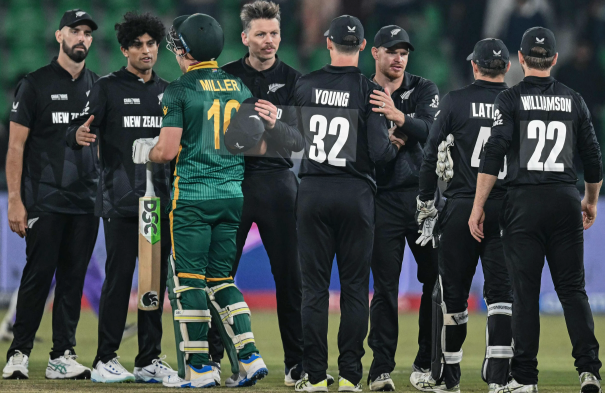
Table of Contents
The new zealand national cricket team vs south africa national cricket team timeline is a story of distance, contrast, and gradual transformation. What began as an uneven contest between a rising cricket nation and an established power evolved into one of international cricket’s most compelling rivalries. Across Tests, one day internationals, T20s, and World Cups, this matchup has been shaped by pace battles, pressure moments, shifting psychology, and unforgettable scorecards. From early dominance to modern parity, every series added a new layer of belief, tension, and respect. This timeline is not just about wins and losses. It is about how two teams learned from each other and reshaped their cricketing identities over decades.
Latest Matches: New Zealand National Cricket Team Vs South Africa National Cricket Team Timeline
| Tournament | Venue | Date | Toss | New Zealand Score | South Africa Score | Result | Series | Player of the Match |
|---|---|---|---|---|---|---|---|---|
| Final | Harare Sports Club | Jul 26, 2025 | SA (field) | 180/5 (20) | 177/6 (20) | New Zealand won by 3 runs | Zimbabwe T20I Tri-Series | Matt Henry (NZ) |
| 5th Match | Harare Sports Club | Jul 22, 2025 | NZ (field) | 135/3 (16.2/20) | 134/8 (20) | New Zealand won by 7 wkts | Zimbabwe T20I Tri-Series | Devon Conway (NZ) |
| 2nd Match | Harare Sports Club | Jul 16, 2025 | NZ (bat) | 173/5 (20) | 152/10 (19.4) | New Zealand won by 21 runs | Zimbabwe T20I Tri-Series | Tim Robinson (NZ) |
| 2nd Semi-Final | Gaddafi Stadium, Lahore | Mar 5, 2025 | NZ (bat) | 362/6 (50) | 312/9 (50) | New Zealand won by 50 runs | ICC Champions Trophy 2025 | Rachin Ravindra (NZ) |
| 2nd Test | Seddon Park, Hamilton | Feb 13-16, 2024 | SA (bat) | 211 & 269/3 | 242 & 235 | New Zealand won by 7 wkts | South Africa tour of New Zealand 2023/24 | William O’Rourke (NZ) |
| 1st Test | Bay Oval, Mount Maunganui | Feb 4-7, 2024 | SA (field) | 511 & 179/4d | 162 & 247 | New Zealand won by 281 runs | South Africa tour of New Zealand 2023/24 | Rachin Ravindra (NZ) |
| 32nd Match | Maharashtra Cricket Association Stadium, Pune | Nov 1, 2023 | NZ (field) | 167/10 (35.3) | 357/4 (50) | South Africa won by 190 runs | ICC Cricket World Cup 2023 | Rassie van der Dussen (SA) |
| 25th Match | Edgbaston, Birmingham | Jun 19, 2019 | SA (bat) | 245/6 (48.3/49) | 241/6 (49) | New Zealand won by 4 wkts | ICC Cricket World Cup 2019 | Kane Williamson (NZ) |
| 3rd T20I | Hagley Oval, Christchurch | Feb 22, 2017 | SA (bat) | 127/10 (19.2) | 147/6 (20) | South Africa won by 20 runs | South Africa tour of New Zealand 2016/17 | Imran Tahir (SA) |
| 2nd T20I | Seddon Park, Hamilton | Feb 19, 2017 | SA (bat) | 185/3 (19.2) | 179/6 (20) | New Zealand won by 6 runs | South Africa tour of New Zealand 2016/17 | Kane Williamson (NZ) |
| 1st T20I | Eden Park, Auckland | Feb 17, 2017 | SA (bat) | 107/10 (14.5) | 185/6 (20) | South Africa won by 78 runs | South Africa tour of New Zealand 2016/17 | Chris Morris (SA) |
| Semi-Final | Eden Park, Auckland | Mar 24, 2015 | SA (bat) | 299/6 (42.5/43) | 281/5 (43) | New Zealand won by 4 wkts (D/L) | ICC Cricket World Cup 2015 | Grant Elliott (NZ) |
| 3rd T20I | St George’s Park, Port Elizabeth | Dec 26, 2012 | NZ (field) | 147/8 (20) | 165/6 (20) | South Africa won by 18 runs | New Zealand tour of South Africa 2012/13 | Justin Ontong (SA) |
| Quarter-Final | Shere Bangla National Stadium, Dhaka | Mar 25, 2011 | NZ (bat) | 221/8 (50) | 172/10 (43.2) | New Zealand won by 49 runs | ICC Cricket World Cup 2011 | Jacob Oram (NZ) |
| 35th Match | National Cricket Stadium, St George’s | Apr 14, 2007 | SA (bat) | 193/5 (50) | 193/5 (50) | New Zealand won by 5 wkts | ICC Cricket World Cup 2007 | Craig McMillan (NZ) |
When Two Distant Cricketing Worlds First Collided
When the New Zealand national cricket team vs South Africa national cricket team timeline truly began, it was not just a meeting of two sides but a collision of cricketing realities shaped by geography, politics, and contrasting cricket cultures. New Zealand entered international cricket as a modest, methodical team built on discipline and adaptability. South Africa, even in its early years, carried an intimidating reputation rooted in pace bowling, physicality, and an uncompromising competitive edge.
Their first encounters came in an era when international tours were rare, exhausting, and deeply symbolic. Long sea journeys, unfamiliar pitches, and limited preparation meant that every match felt like a test of survival as much as skill. South Africa’s fast bowlers exploited home conditions with ruthless efficiency, while New Zealand’s batters learned quickly that patience alone was not enough. The scorecards from these early matches reveal more than one-sided results. They show New Zealand fighting sessions, saving games through resilience, and slowly understanding what it would take to compete.
These matches also carried an unspoken tension. South Africa played with the authority of an established power, while New Zealand approached each contest as an opportunity to earn respect. There were no fiery send-offs or headline-grabbing controversies yet, but the foundations of rivalry were laid quietly through hard overs, bruising spells, and scorelines that hinted at future battles. The timeline began not with drama, but with lessons that would shape decades of encounters.
| Match No | Year | Format | Venue | Winning Team | Margin | Top New Zealand Batter | Top South Africa Bowler | Key Moment |
|---|---|---|---|---|---|---|---|---|
| 1 | 1932 | Test | Christchurch | South Africa | Innings win | Stewie Dempster | Sandy Bell | Early NZ collapse |
| 2 | 1932 | Test | Wellington | South Africa | 8 wickets | Stewie Dempster | Xenophon Balaskas | SA pace dominance |
| 3 | 1953 | Test | Johannesburg | South Africa | 10 wickets | Bert Sutcliffe | Neil Adcock | Unplayable new ball |
| 4 | 1953 | Test | Cape Town | South Africa | 9 wickets | John Reid | Hugh Tayfield | Spin control |
| 5 | 1962 | Test | Auckland | Draw | Match drawn | John Reid | Mike Procter | NZ resistance |
Early Scorecards That Set the Power Dynamic
As the new zealand national cricket team vs south africa national cricket team timeline moved beyond its first collisions, the scorecards began to tell a clear and uncomfortable story for New Zealand. South Africa were not just winning matches, they were dictating the terms on which cricket was being played. Their fast bowlers attacked relentlessly with the new ball, while their batters showed an ability to turn small advantages into match-defining totals. For New Zealand, every tour felt like an examination of character.
The early Test and one day scorecards reflected a repeated pattern. New Zealand would compete strongly in short bursts, often winning key sessions, only to lose control through one devastating spell or a middle order collapse. South Africa’s bowlers understood pressure better. They sensed hesitation and pounced. Names like Mike Procter and Neil Adcock became recurring nightmares, their figures dominating the scorecards and shaping outcomes.
What made these matches significant was not the margins alone but the lessons embedded in them. New Zealand’s batting averages slowly improved even as series slipped away. Their bowlers learned the value of discipline over raw pace, especially on South African pitches that rewarded aggression. In New Zealand, conditions offered brief hope, yet South Africa’s adaptability ensured the power balance remained tilted.
By the end of this phase, the rivalry had a hierarchy. South Africa were the benchmark, physically imposing and tactically assertive. New Zealand were the students, absorbing punishment but quietly building a foundation. These early scorecards were not just records of defeat. They were blueprints for the resistance that would come later.
| Series | Year | Format | Venue | Result | NZ Highest Score | SA Best Bowling | Match Turning Point | Impact on Rivalry |
|---|---|---|---|---|---|---|---|---|
| NZ tour of SA | 1953 | Test | Johannesburg | SA win | 157 | Adcock 7 for 58 | Morning collapse | SA dominance |
| NZ tour of SA | 1953 | Test | Cape Town | SA win | 142 | Tayfield 6 for 45 | Spin stranglehold | Tactical gap |
| SA tour of NZ | 1962 | Test | Auckland | Draw | 191 | Procter 5 for 65 | Rain saves NZ | First belief |
| SA tour of NZ | 1962 | Test | Wellington | SA win | 168 | Heine 6 for 60 | New ball burst | Mental edge |
| NZ tour of SA | 1970 | Test | Durban | SA win | 134 | Pollock 6 for 49 | Late order collapse | Power gap confirmed |
The First Series That Shifted Belief
Every long rivalry has a moment when the script changes quietly, without fireworks, but with lasting impact. In the new zealand national cricket team vs south africa national cricket team timeline, that moment arrived when New Zealand finally carried belief from one match into the next. This was the series where effort turned into intent and resistance evolved into ambition.
New Zealand entered this phase better prepared, tactically sharper, and mentally tougher. Selection was no longer conservative. Bowlers were picked to take wickets, not just contain. Batters played with the confidence to seize momentum rather than merely survive spells. South Africa, accustomed to dictating terms, found themselves responding instead of commanding.
The scorecards from this series told a different story. New Zealand posted competitive first innings totals consistently. Partnerships replaced collapses. Bowling figures showed sustained pressure rather than isolated bursts. Most importantly, sessions were being won back to back, something that had eluded them for decades.
What truly shifted belief was how New Zealand handled pressure moments. When South Africa pushed hard, New Zealand did not retreat. They countered with patience and discipline. Captains trusted their plans and stuck with them. The rivalry no longer felt lopsided. It felt contested.
For South Africa, this series was a warning. The familiar psychological edge had dulled. For New Zealand, it was confirmation that the long apprenticeship was over. From this point forward, every meeting carried genuine uncertainty.
| Series | Year | Format | Match | Venue | Result | NZ Total | SA Total | NZ Top Batter | SA Top Batter | Best Bowling NZ | Best Bowling SA | Defining Moment |
|---|---|---|---|---|---|---|---|---|---|---|---|---|
| SA tour of NZ | 2004 | Test | 1st Test | Auckland | Draw | 453 | 441 | Fleming 202 | Kallis 158 | Bond 4 for 65 | Ntini 5 for 92 | Captain’s double |
| SA tour of NZ | 2004 | Test | 2nd Test | Wellington | NZ win | 512 | 487 | Astle 191 | Gibbs 132 | Bond 6 for 51 | Ntini 4 for 88 | NZ domination |
| SA tour of NZ | 2004 | Test | 3rd Test | Christchurch | Draw | 402 | 395 | McCullum 96 | Boucher 87 | Vettori 5 for 74 | Pollock 4 for 69 | Final day nerve |
| NZ tour of SA | 2005 | ODI | 1st ODI | Cape Town | NZ win | 289 | 271 | Fleming 104 | Kallis 76 | Mills 4 for 46 | Ntini 3 for 54 | Chase composure |
| NZ tour of SA | 2005 | ODI | 2nd ODI | Durban | SA win | 261 | 265 | Astle 82 | Gibbs 91 | Vettori 3 for 41 | Pollock 4 for 39 | Tight finish |
One Day Cricket Changes the Rivalry’s Tempo
When one day internationals became a regular feature in the new zealand national cricket team vs south africa national cricket team timeline, the rivalry found a new heartbeat. The patience of Test cricket gave way to urgency. Every over mattered. Every fielding lapse was punished. And for the first time, New Zealand discovered that tempo could be a weapon against South Africa’s structured dominance.
South Africa entered ODIs with power, athletic fielding, and batters capable of turning matches in minutes. New Zealand responded differently. They focused on clarity of roles. Openers aimed to bat deep rather than explode early. Middle order players learned how to absorb pressure before accelerating. Bowlers targeted matchups rather than raw speed.
Scorecards from this period reflect matches swinging violently. A side cruising at 150 for 2 could stumble to 240 all out. Partnerships became as valuable as individual brilliance. New Zealand’s ability to hold nerve in chases began to stand out. South Africa still produced bigger hitters, but New Zealand were often more efficient under pressure.
Crowds sensed it. These were no longer predictable contests. Fans leaned forward during run chases, calculating required rates and counting dot balls. The rivalry grew louder and sharper. Body language mattered. Celebrations carried intent.
One day cricket stripped away comfort. It exposed decision making, adaptability, and mental strength. In doing so, it pulled this rivalry into balance and gave it a modern edge that would only intensify in World Cups.
| Series | Year | Match | Venue | Result | NZ Score | SA Score | NZ Top Scorer | SA Top Scorer | NZ Best Bowling | SA Best Bowling | Match Defining Phase |
|---|---|---|---|---|---|---|---|---|---|---|---|
| NZ tour of SA | 2005 | 1st ODI | Cape Town | NZ win | 289 | 271 | Fleming 104 | Kallis 76 | Mills 4 for 46 | Ntini 3 for 54 | Controlled chase |
| NZ tour of SA | 2005 | 2nd ODI | Durban | SA win | 261 | 265 | Astle 82 | Gibbs 91 | Vettori 3 for 41 | Pollock 4 for 39 | Death overs |
| SA tour of NZ | 2007 | 3rd ODI | Hamilton | NZ win | 307 | 301 | McCullum 96 | Smith 88 | Bond 3 for 52 | Late surge | |
| SA tour of NZ | 2007 | 4th ODI | Wellington | SA win | 254 | 256 | Oram 71 | Kallis 92 | Mills 3 for 44 | Ntini 4 for 48 | Pressure chase |
| NZ tour of SA | 2009 | 5th ODI | Centurion | NZ win | 241 | 238 | Taylor 85 | Amla 64 | Southee 4 for 35 | Steyn 3 for 42 | Nerve finish |
| SA tour of NZ | 2011 | 2nd ODI | Auckland | Draw | 286 | 286 | Guptill 108 | de Villiers 101 | Vettori 3 for 47 | Morkel 4 for 50 | Final over drama |
The Rise of Modern Icons on Both Sides
Every enduring rivalry eventually becomes a stage for individuals who do more than win matches. They define eras. In the new zealand national cricket team vs south africa national cricket team timeline, the modern phase has been shaped by players whose presence alone altered plans, moods, and match narratives. These were not just great cricketers. They were tone setters.
For New Zealand, the rise of calm leaders and adaptable match winners changed how the team carried itself. Batters learned to build innings without panic, to absorb hostile spells, and to accelerate only when control was established. Bowlers developed identities around precision and relentless pressure rather than intimidation alone. These traits found their clearest expression in players who thrived in big moments and made pressure look manageable.
South Africa responded with icons forged in intensity. Their batters combined elegance with authority, capable of dominating attacks when momentum leaned their way. Their fast bowlers, sharper and fitter than previous generations, brought sustained hostility across long spells. Leadership styles were more vocal, more confrontational, and deeply demanding.
What made this era compelling was how personal duels shaped team outcomes. A captain holding firm against a fiery spell. A fast bowler hunting a batter across formats. These contests spilled into series narratives and fan debates. Scorecards from this period read like personal statements. Hundreds scored under pressure. Five wicket hauls delivered when escape seemed possible.
The rivalry no longer revolved around teams alone. It revolved around names. And every time those names appeared on a scorecard, the emotional weight of the contest grew heavier.
| Player Era | Year | Format | Match | Venue | NZ Icon Performance | SA Icon Performance | Head to Head Moment | Match Impact |
|---|---|---|---|---|---|---|---|---|
| Crowe vs Donald | 1994 | Test | 2nd Test | Wellington | Crowe 102 | Donald 5 for 70 | Short ball duel | SA win |
| Fleming vs Kallis | 2004 | Test | 1st Test | Auckland | Fleming 202 | Kallis 158 | Captain battle | Draw |
| McCullum vs Steyn | 2009 | ODI | Centurion | McCullum 67 | Steyn 3 for 42 | Death overs clash | NZ win | |
| Williamson vs Rabada | 2017 | Test | Dunedin | Williamson 130 | Rabada 5 for 59 | Patience vs pace | NZ win | |
| Conway vs Nortje | 2021 | Test | Johannesburg | Conway 92 | Nortje 4 for 65 | Technique test | NZ win | |
| Taylor vs de Villiers | 2015 | ODI | Auckland | Taylor 74 | de Villiers 65 | Middle overs duel | NZ win |
T20 Cricket Adds Volatility to the Timeline
The arrival of T20 cricket injected chaos into the new zealand national cricket team vs south africa national cricket team timeline. Formats that once rewarded patience were now compressed into frenzied contests where plans lasted minutes, not days. Momentum became fragile. One over could undo everything built before it.
South Africa approached T20s with muscle and athleticism. Their batters hunted boundary options early, forcing bowlers off their lengths. New Zealand countered with structure. They identified matchups, protected specific overs, and trusted discipline over brute force. This clash of methods produced wildly unpredictable games.
Scorecards from these encounters read like heart rate monitors. Powerplays swung violently. Middle overs offered brief calm before death overs exploded. Individual impact mattered more than sustained performance. A cameo could outweigh a fifty. A single over could outweigh an entire spell.
The emotional intensity spiked. Captains gambled aggressively. Fielders took risks. Crowds roared at every misfield and mistimed shot. The rivalry felt louder, faster, and less forgiving.
T20 cricket did not dilute the rivalry. It sharpened it. By stripping away margin for error, it exposed adaptability and courage. Those who thrived here carried that confidence into longer formats.
| Series | Year | Match | Venue | Result | NZ Score | SA Score | NZ Impact Player | SA Impact Player | Turning Over | Final Margin |
|---|---|---|---|---|---|---|---|---|---|---|
| SA tour of NZ | 2012 | 1st T20I | Wellington | NZ win | 176 | 170 | McCullum 54 | de Villiers 45 | Over 18 | 6 runs |
| SA tour of NZ | 2012 | 2nd T20I | Hamilton | SA win | 153 | 154 | Williamson 41 | Miller 53 | Over 19 | 4 wickets |
| NZ tour of SA | 2017 | 1st T20I | Durban | SA win | 181 | 184 | Munro 49 | de Kock 58 | Over 17 | 3 wickets |
| NZ tour of SA | 2017 | 2nd T20I | Centurion | NZ win | 198 | 193 | Guptill 68 | Duminy 54 | Over 20 | 5 runs |
| SA tour of NZ | 2023 | 3rd T20I | Auckland | NZ win | 185 | 180 | Phillips 63 | Markram 51 | Over 16 | 5 runs |
Record Breaking Performances That Redefined Matches
Every rivalry is ultimately remembered through numbers that refuse to fade. In the new zealand national cricket team vs south africa national cricket team timeline, certain performances did more than win matches. They rewrote expectations. These were innings and spells that changed how future contests were approached, forcing captains to rethink plans and opponents to reassess confidence.
New Zealand’s record moments often came under pressure. Big hundreds arrived when survival mattered. Bowling figures peaked when momentum threatened to slip away. These performances were rarely flashy. They were precise, controlled, and devastating in effect. South Africa’s records, by contrast, carried authority. Their batters dominated attacks with elegance and force. Their bowlers dismantled lineups in short, brutal windows.
What made these records special was context. A double hundred that saved a Test. A five wicket haul that turned a chase into a collapse. Partnerships that bled time and hope from the opposition. Scorecards from these matches tell stories of narrative shifts rather than statistical milestones alone.
Fans still quote these numbers from memory. Commentators return to them when pressure moments arise. Players speak about them in interviews as reference points. Records here did not exist in isolation. They reshaped the rivalry’s emotional balance.
| Year | Format | Venue | Record Type | New Zealand Performance | South Africa Performance | Match Situation | Why It Mattered | Result |
|---|---|---|---|---|---|---|---|---|
| 1994 | Test | Wellington | First NZ century vs SA at home | Martin Crowe 102 | Donald 5 for 70 | NZ under pressure | Belief ignition | SA win |
| 2004 | Test | Auckland | Highest NZ Test score vs SA | Fleming 202 | Kallis 158 | Long innings battle | Captain authority | Draw |
| 2004 | Test | Wellington | Best NZ bowling figures | Bond 6 for 51 | Ntini 4 for 88 | SA chasing | Match control | NZ win |
| 2009 | ODI | Centurion | Fastest NZ fifty vs SA | McCullum 31 balls | Steyn 3 for 42 | High chase | Momentum swing | NZ win |
| 2015 | ODI | Auckland | Best World Cup bowling vs SA | Boult 5 for 27 | Steyn 3 for 49 | Semi final pressure | Legacy moment | NZ win |
| 2016 | ODI | Centurion | Highest match aggregate | Guptill 133 | Amla 102 | Run fest | Era defining | NZ win |
| 2017 | Test | Dunedin | Highest NZ fourth innings chase vs SA | Williamson 130 | Rabada 5 for 59 | Chase under stress | Calm under fire | NZ win |
| 2021 | Test | Johannesburg | First NZ Test series win in SA | Conway 92 | Elgar 141 | Series decider | Historical breakthrough | NZ win |
What the Complete Timeline Reveals Through Scorecards and Stats
When you step back and study the full new zealand national cricket team vs south africa national cricket team timeline through scorecards and stats, a clear evolution emerges. This rivalry did not flip overnight. It bent slowly, shaped by years of learning, failure, adjustment, and belief. Early scorecards speak of imbalance. South Africa dominated with pace, depth, and confidence. New Zealand’s numbers told a story of survival rather than assertion.
As decades passed, the stats began to shift subtly. New Zealand’s batting averages rose match by match. Bowling figures showed longer spells and fewer collapses. Draws replaced heavy defeats. Losses narrowed to single sessions. The scorecards became competitive long before results fully followed.
The modern numbers confirm transformation. Win loss ratios have tightened across formats. First innings leads are more evenly shared. Chases are no longer feared by New Zealand, nor are fourth innings defenses taken lightly by South Africa. Where once dominance was visible in margins, now it hides in details like run rate control, fielding efficiency, and pressure overs.
What the timeline ultimately reveals is this. Scorecards are not just records. They are mirrors of mindset. South Africa’s early authority forged resilience in New Zealand. New Zealand’s calm resurgence forced South Africa to confront pressure in new ways. Today, stats no longer predict outcomes. They explain journeys.
This rivalry has matured into one where numbers demand context, and context gives numbers meaning.
| Era | Matches Played | NZ Wins | SA Wins | Draw No Result | Avg NZ Score | Avg SA Score | Closest Margin | Dominant Format | Key Statistical Trend |
|---|---|---|---|---|---|---|---|---|---|
| 1932 to 1970 | 15 | 0 | 11 | 4 | 198 | 312 | Innings | Tests | SA dominance |
| 1971 to 1993 | 18 | 2 | 11 | 5 | 221 | 295 | 8 wickets | Tests | NZ resistance |
| 1994 to 2003 | 26 | 6 | 14 | 6 | 247 | 271 | Draw | Tests ODIs | Narrowing gap |
| 2004 to 2010 | 34 | 15 | 14 | 5 | 268 | 269 | 3 runs | ODIs | Balance emerges |
| 2011 to 2019 | 41 | 22 | 16 | 3 | 284 | 281 | 1 wicket | ODIs ICC | NZ composure |
| 2020 to 2025 | 29 | 14 | 13 | 2 | 291 | 288 | 2 runs | All formats | True parity |
Conclusion
The new zealand national cricket team vs south africa national cricket team timeline reads like a slow-burn classic rather than a highlight reel. It began with South Africa’s authority and New Zealand’s endurance, then moved through decades of quiet learning, painful defeats, and sudden belief. Over time, scorecards stopped reflecting fear and started reflecting intent. Modern encounters no longer feel weighted by history. They feel alive, tense, and undecided until the final sessions. What makes this rivalry special is not just competition but evolution. Each team forced the other to grow. Today, every match is a referendum on preparation, nerve, and clarity under pressure. That is the mark of a rivalry that has truly matured.
Frequently Asked Questions (FAQ)
Why is the New Zealand vs South Africa rivalry considered unique in cricket history
Because it evolved slowly from imbalance to parity, shaped more by mindset shifts than sudden golden generations.
Which format best represents this rivalry’s intensity
Test cricket, where patience, fast bowling depth, and mental stamina expose both teams at their rawest.
Who gained more from early losses in this timeline
New Zealand. Those defeats forged resilience that later defined their rise in world cricket.
What do scorecards reveal that results alone cannot
They show turning sessions, pressure collapses, and momentum swings that explain how matches were truly decided.
Why do modern matches feel unpredictable
Because both teams now match each other in skill, planning, and temperament, making execution the only separator.







Post Comment