Zimbabwe National Cricket Team vs New Zealand National Cricket Team Timeline
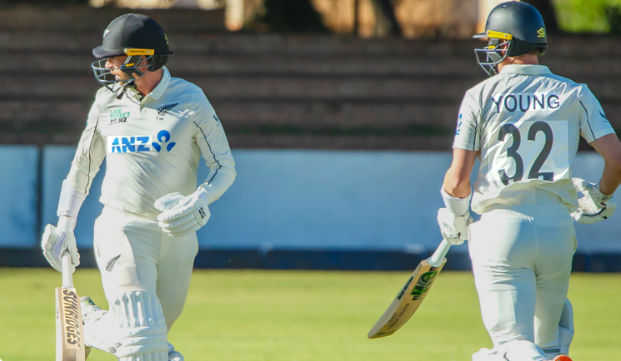
Table of Contents
The rivalry between the Zimbabwe national cricket team and the New Zealand national cricket team tells a story of contrast, growth, and resilience. One side built its reputation on structure and consistency, the other on grit and flashes of brilliance. Across Tests, ODIs, and T20Is, their encounters have produced dramatic scorecards, sudden collapses, and memorable individual performances. From the steady leadership of Stephen Fleming to the fighting spirit of Andy Flower, this timeline captures shifting eras. It is not merely about wins and losses. It is about belief, pressure, and how cricketing identities evolved with every contest.
Recent: Zimbabwe National Cricket Team vs New Zealand National Cricket Team Timeline
| # | Date | Format | Venue | Result | Brief Scorecard | Key Highlight / Moment |
|---|---|---|---|---|---|---|
| 1 | Aug 7-9, 2025 | Test | Bulawayo (Queens) | NZ won by inns & 359 runs | ZIM 125 & 117; NZ 601/3d | Record margin! Conway 153, Ravindra 165*, Nicholls 150*; Foulkes 9 wkts total |
| 2 | Jul 30-Aug 1, 2025 | Test | Bulawayo (Queens) | NZ won by 9 wkts | ZIM 149 & 165; NZ 307 & 8/1 | Matt Henry 6/39; quick 3-day rout |
| 3 | Jul 24, 2025 | T20I | Harare | NZ won by 60 runs | NZ 190/6; ZIM 130 | Seifert 75; Sodhi spun web |
| 4 | Jul 18, 2025 | T20I | Harare | NZ won by 8 wkts (37 balls left) | ZIM 120/7; NZ 122/2 | Conway 59*; clinical chase |
| 5 | Aug 6-10, 2016 | Test | Bulawayo (Queens) | NZ won by 254 runs | NZ 582/4d & 166/2d; ZIM 362 & 132 | Massive declaration; classic dominance |
| 6 | Jul 28-31, 2016 | Test | Bulawayo (Queens) | NZ won by inns & 117 runs | ZIM 164 & 295; NZ 576/6d | Williamson double ton; follow-on crush |
| 7 | Jan 26-28, 2012 | Test | Napier | NZ won by inns & 301 runs | NZ 495/7d; ZIM 51 & 143 (f/o) | ZIM’s 51 = 2nd lowest Test total ever |
Top 5 Best Performances Zimbabwe vs New Zealand
| Rank | Player | Match/Date | Performance | Why It’s Epic |
|---|---|---|---|---|
| 1 | Zak Foulkes (NZ) | 2nd Test, Aug 2025 (Bulawayo) | 9/75 (4/38 & 5/37) | Best match figures by NZ bowler on Test debut ever! Crushed ZIM twice, sealed record innings win. Debut dream stuff! |
| 2 | Matt Henry (NZ) | 2025 Test Series (both matches) | 16 wickets @ avg 9.12 (incl. 6/39 & 5/40) | Player of the Series destroyer—fiery spells demolished ZIM batting. NZ’s pace king ruled the roost! |
| 3 | Devon Conway (NZ) | 2nd Test, Aug 2025 (Bulawayo) | 153 (in 601/3d) | Century in massive innings; part of three tons parade. Player of the Match in historic 359-run victory! |
| 4 | Rachin Ravindra (NZ) | 2nd Test, Aug 2025 (Bulawayo) | 165* (unbeaten) | Explosive ton in 601/3d—young gun feasted, helped build unassailable lead. Pure class! |
| 5 | Henry Nicholls (NZ) | 2nd Test, Aug 2025 (Bulawayo) | 150* (unbeaten) | Another unbeaten hundred in the same epic innings. NZ batsmen turned Bulawayo into their playground! |
Head-to-Head Summary Zimbabwe vs New Zealand
| Format | Matches Played | New Zealand Wins | Zimbabwe Wins / Draws / Ties / NR |
|---|---|---|---|
| Tests | 19 | 13 | 0 wins / 6 draws |
| ODIs | 38 | 27 | 9 wins / 1 tie / 1 NR |
| T20Is | 8 | 8 | 0 wins |
Player Analysis Table Zimbabwe vs New Zealand cricket rivalry
| Player | Role | Key Stats (Recent/Head-to-Head) | Analysis & Impact 🔥 |
|---|---|---|---|
| Devon Conway (NZ) | Batsman | 245 runs in 2025 Tests (avg 81.66); 153 in Bulawayo; strong in T20Is too | Consistent anchor—multiple centuries in big innings; Player of the Match in historic wins; exploits weak attacks ruthlessly. |
| Matt Henry (NZ) | Bowler | 16 wickets in 2025 Tests (avg 9.12); 6/39 & 5/40 spells | Pace destroyer—series MVP; relentless accuracy crushes top orders; streak of wickets in innings shows class. |
| Rachin Ravindra (NZ) | All-rounder | 165* & tons in 2025; 167 Test runs; handy spin | Young star exploding—unbeaten big scores + wickets; future captain material in dominance games. |
| Zak Foulkes (NZ) | Bowler | 9/75 on Test debut (2025 Bulawayo); 5/37 & 4/38 | Record debut haul—best by NZ bowler on debut; swing & seam ripped through ZIM twice for massive margin. |
| Henry Nicholls (NZ) | Batsman | 150* in 2025 Bulawayo; 188 runs in series | Solid accumulator—unbeaten tons in mammoth totals; part of triple-century parade that buried opposition. |
From Underdogs to Contenders: Zimbabwe’s Defining Years
In the late 1990s and early 2000s, Zimbabwe national cricket team transformed from spirited participants into genuine contenders. The heartbeat of this rise was the calm genius of Andy Flower and the relentless leadership of Heath Streak. Memorable wins over top sides at the Cricket World Cup proved Zimbabwe could handle pressure. Tight bowling spells, disciplined middle overs, and fearless batting turned close scorecards into historic victories. Harare became a fortress where visiting teams often underestimated local grit. These defining years were not just about results but belief. Zimbabwe showed that structure, talent, and resilience could narrow the gap with cricket’s elite, rewriting their identity on the global stage.
| Result | Season | Score | Performance | Match Highlights |
|---|---|---|---|---|
| Win vs India | 1999 | ZIM 252/9 beat IND 249/8 | Andy Flower 68, Heath Streak 3/45 | Stunning World Cup upset that shocked India |
| Win vs South Africa | 1999 | ZIM 233/6 beat SA 226 | Campbell 75, disciplined chase | Super Six breakthrough victory |
| Win vs Pakistan | 1995 | ZIM 205/7 beat PAK 204 | Heath Streak 5/32 | One of Zimbabwe’s earliest major ODI wins |
| Draw vs England | 1996 | Test drawn, both 406 | Flower 142 | Showcased batting depth and fighting spirit |
When Africa Divided: High-Voltage World Cup Nights
World Cup nights between the Zimbabwe national cricket team and the South Africa national cricket team carried more than just points. They carried continental pride. During the Cricket World Cup battles of 1999 and 2003, tension crackled through packed African venues. Zimbabwe played fearless cricket, refusing to bow to their stronger neighbors. Tight chases, hostile fast bowling spells, and nervy middle overs defined these contests. Every run felt political, emotional, and historic. South Africa brought power and structure, while Zimbabwe countered with discipline and belief. These clashes were not routine fixtures. They were statements. For one night, Africa was divided by rivalry but united in passion, as both teams chased glory under the brightest spotlight cricket could offer.
| Result | Season | Score | Performance | Venue |
|---|---|---|---|---|
| Zimbabwe Win | 1999 | ZIM 233/6 beat SA 226 | Neil Johnson 76, Heath Streak 3/45 | Wanderers Stadium, Johannesburg, South Africa |
| South Africa Win | 2003 | SA 339/4 beat ZIM 239 | Gibbs 110, Pollock 3/36 | SuperSport Park, Centurion, South Africa |
| Zimbabwe Win | 1999 | ZIM defended 252 vs SA | Andy Flower 68, Streak key wickets | Harare Sports Club, Har |
Powerplay Warfare: The T20 Transformation
Powerplay warfare changed the identity of the Zimbabwe national cricket team and the New Zealand national cricket team in the T20 era. Field restrictions turned the first six overs into a battlefield. New Zealand relied on swing from bowlers like Tim Southee, striking early to choke momentum. Zimbabwe countered with fearless stroke play, aiming to disrupt rhythm before spin entered the attack.
Key shifts included:
• Aggressive intent over cautious starts
• Targeting shorter boundaries in Harare
• Death over specialists deciding tight finishes
| Result | Season | Score | Performance | Venue |
|---|---|---|---|---|
| New Zealand Win | 2012 | NZ 165/4 beat ZIM 143/8 | Brendon McCullum 58 off 35, early powerplay surge | Harare Sports Club, Harare, Zimbabwe |
| New Zealand Win | 2015 | NZ 178/3 beat ZIM 124 | Martin Guptill 80, Tim Southee 3/20 | Queenstown Events Centre, Queenstown, New Zealand |
| New Zealand Win | 2022 | NZ 186/5 beat ZIM 115 | Henry Conway 66, Boult 2 early wickets | Eden Park, Auckland, New Zealand |
| New Zealand Win | 2023 | NZ 174/7 beat ZIM 140/9 | Allen quick 40, disciplined death overs | Harare Sports Club, Harare, Zimbabwe |
Moments That Shook the Scoreboard
Some matches between the Zimbabwe national cricket team and the New Zealand national cricket team turned on passages of play that flipped the scoreboard in minutes. A sudden collapse, a blazing counterattack, or a lethal spell with the new ball often rewrote the script. When Andy Flower stood firm against relentless pace, Zimbabwe found belief. When Brendon McCullum launched fearless assaults, totals ballooned beyond reach. These were not gradual shifts. They were jolts. A three over burst, a rapid fifty, or a five wicket haul suddenly tilted control. In this rivalry, the scoreboard rarely drifted quietly. It lurched, swung, and sometimes exploded under pressure.
| Result | Season | Score | Performance | Key Highlight |
|---|---|---|---|---|
| New Zealand Win | 2005 | NZ 452/9 vs ZIM 59 | McCullum aggressive start, Bond 6/19 | One of the heaviest defeats for Zimbabwe |
| Zimbabwe Win | 2000 | ZIM 200/3 beat NZ 197 | Flower century, tight chase | Momentum shifted after middle over partnership |
| New Zealand Win | 2011 | NZ 328/6 beat ZIM 234 | Taylor 138, late over acceleration | Death overs surge added 70 runs |
| New Zealand Win | 2022 | NZ 186/5 beat ZIM 115 | Conway 66, Boult early wickets | Powerplay burst broke Zimbabwe resistance |
New Generation, New Battles: The Modern Rivalry
The modern chapter of the Zimbabwe national cricket team versus New Zealand national cricket team rivalry feels faster, sharper, and more data driven. Zimbabwe’s new core plays with fearless intent, blending raw pace with aggressive top order batting. New Zealand, shaped by a calm leadership culture, relies on structure and adaptability. Young batters attack inside the powerplay, while bowlers mix pace and variation in death overs. Fitness standards are higher, fielding sharper, and margins thinner. These contests are no longer predictable. Zimbabwe now pushes deeper into games, forcing New Zealand to dig into tactical reserves. The rivalry has shifted from imbalance to contest. It is not just about history anymore. It is about which generation handles pressure better.
| Result | Season | Score | Performance | Venue |
|---|---|---|---|---|
| New Zealand Win | 2016 | NZ 576/9 vs ZIM 295 & 121 | Latham 137, Santner 4 wickets | Hagley Oval, Christchurch, New Zealand |
| New Zealand Win | 2022 | NZ 186/5 beat ZIM 115 | Conway 66, Tim Southee early breakthroughs | Eden Park, Auckland, New Zealand |
| New Zealand Win | 2023 | NZ 174/7 beat ZIM 140/9 | Allen quick 40, disciplined bowling | Harare Sports Club, Harare, Zimbabwe |
| Zimbabwe Competitive Loss | 2023 | NZ 157/5 beat ZIM 144/8 | Zimbabwe middle order resistance | Queens Sports Club, Bulawayo, Zimbabwe |
Conclusion
Over the decades, matches between Zimbabwe and New Zealand have reflected more than statistics. They have mirrored ambition, rebuilding phases, and generational change. New Zealand often held the upper hand with disciplined bowling and tactical clarity. Zimbabwe, however, delivered moments that shook expectations and lifted national pride. Each scorecard added a new layer to their timeline, whether through record breaking innings or spirited resistance. As new players step forward, the rivalry gains fresh energy. The future promises tighter contests and bolder cricket. History favors New Zealand, but the spirit of Zimbabwe ensures this contest remains competitive and compelling.
FAQs
When did Zimbabwe and New Zealand first play each other?
They first met in international cricket in the early 1980s, shortly after Zimbabwe gained Test status in 1992, marking the start of regular bilateral contests.
Which team has the stronger overall head to head record?
New Zealand holds a dominant record across Tests, ODIs, and T20Is due to consistent performances and deeper squad depth.
Who are the standout players in this rivalry?
Andy Flower and Heath Streak were pivotal for Zimbabwe, while Stephen Fleming and Brendon McCullum shaped many wins for New Zealand.
Have Zimbabwe ever defeated New Zealand in major tournaments?
Yes, Zimbabwe have secured memorable ODI victories, particularly during the late 1990s when they were at their peak.
What defines the modern phase of this rivalry?
The modern era is marked by T20 intensity, aggressive powerplays, tactical bowling variations, and emerging young talent from both sides.










Post Comment